Signs Your Cat Is Sick: The Warning Signs Owners Miss
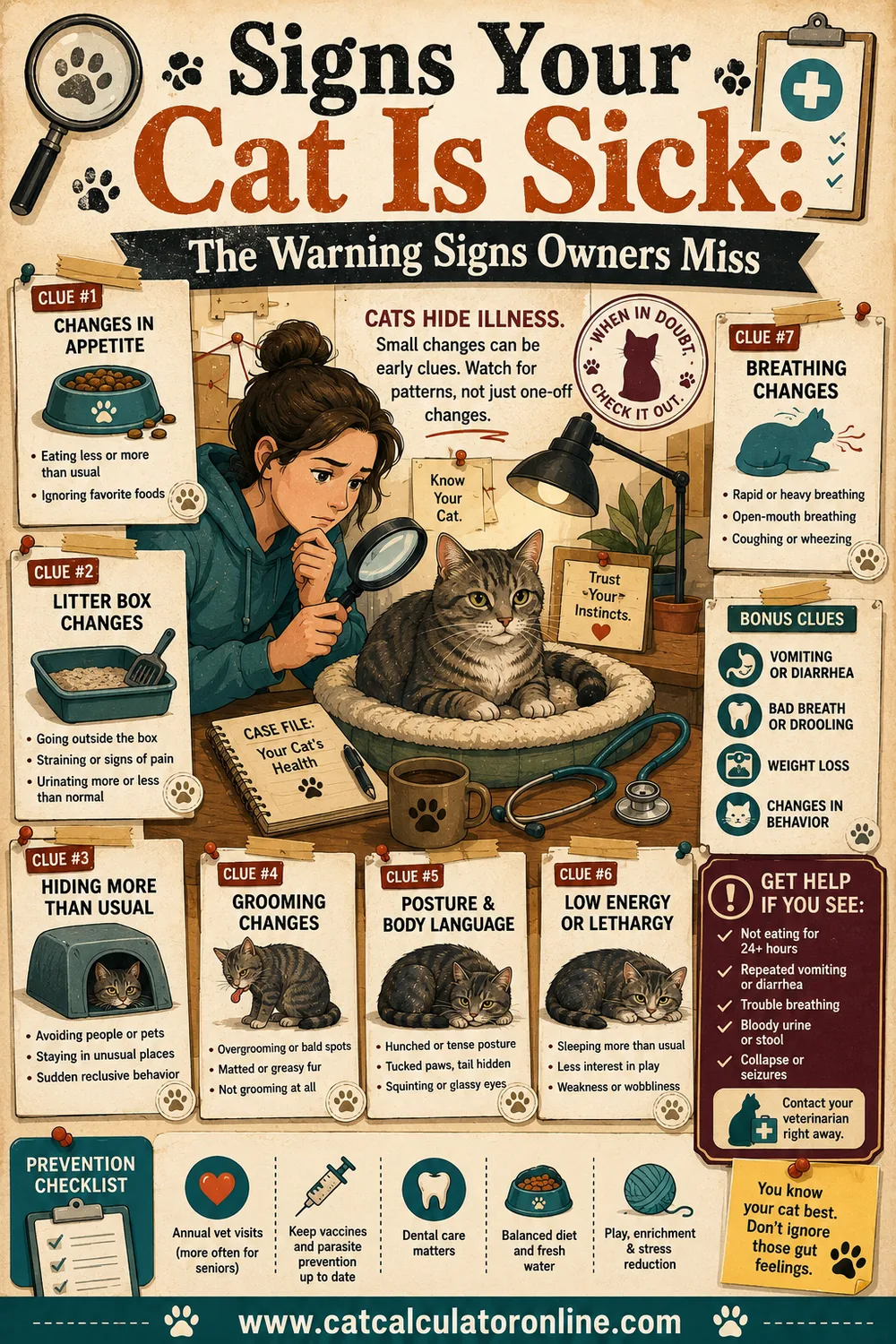
The most common signs a cat is sick are hiding, a change in appetite or thirst, weight loss, litter box changes, repeated vomiting or diarrhea, lethargy, and a cat who's stopped grooming herself. Because cats instinctively mask illness, these signals are usually subtle — and by the time they're obvious, something has often been building for a while. If you notice any of them, call your vet.
This guide is informational only. It'll help you recognize what's worth a phone call and what needs emergency care tonight, but it can't diagnose anything — only your veterinarian can do that. If you're trying to work out whether a change is age-related or something else, our free cat age calculator will tell you her life stage, which is useful context for that conversation.
⚠️ Warning-sign checklist
Tap any sign you’ve noticed in the last week:
Tap a sign above to see what it can mean and how urgent it is.
Why Cats Hide Being Sick
This is the foundation of everything else on this page. Cats mask illness — not out of stubbornness, but because of a survival instinct that predates domestication.
In the wild, a small predator that visibly limps, coughs, or looks weak becomes prey. So cats evolved to carry on as normally as possible for as long as possible. That instinct hasn't gone anywhere just because your cat now lives on a sofa.
The practical consequences are worth stating plainly:
- Subtle changes are the whole ballgame. By the time a cat looks obviously ill, she's often been unwell for weeks or months.
- "She's still eating" is not reassurance. Cats eat through dental pain, kidney disease, and arthritis.
- You know your cat better than anyone. A vague sense that she's "just not herself" is legitimate clinical information. Say it out loud at the appointment.
- Routine screening exists for exactly this reason. Bloodwork sees what behavior hides. See how often should a cat go to the vet for the schedule by age.
The Full List of Warning Signs
Here's the complete set of changes worth paying attention to, grouped by how they show up.
Behavior changes
- Hiding or withdrawal — retreating under beds, into closets, or to unusual spots. One of the most reliable early signals.
- Lethargy — sleeping more, less interest in play, not greeting you, not jumping to usual spots.
- Change in vocalization — a quiet cat who becomes vocal, or a chatty cat who goes silent. Night-time yowling in older cats is particularly worth mentioning.
- Irritability or aggression — a normally gentle cat who swats or bites when touched is often in pain.
- Confusion or disorientation — staring at walls, getting stuck in corners, forgetting the litter box location.
Eating, drinking and weight
- Eating less, or not at all.
- Eating more but losing weight — a specific combination that always warrants a vet call.
- Drinking noticeably more or less.
- Weight loss — including gradual loss you'd only notice by weighing her.
- Difficulty eating — dropping food, chewing on one side, approaching the bowl then walking away.
Litter box
- Straining with little or nothing produced.
- Going outside the box — often a medical signal, not a behavioral one.
- Blood in urine or stool.
- Diarrhea or constipation that persists.
- Changes in frequency or volume — larger, more frequent urine clumps are meaningful.
Physical appearance
- Stopped grooming — a dull, greasy, matted or scruffy coat.
- Over-grooming — bald patches, usually on the belly or legs.
- Bad breath or drooling.
- Lumps, bumps or swellings anywhere on the body.
- Eye or nose discharge, squinting, or a visible third eyelid.
- Limping, stiffness, or reluctance to jump — often arthritis, which is far more common in older cats than owners realize.
Breathing and digestion
- Coughing, wheezing, or fast breathing.
- Open-mouth breathing — always urgent in a cat.
- Vomiting beyond the occasional hairball — frequent or repeated vomiting is not normal.
Symptom → What It Could Mean → When to Call
This table is a guide to urgency, not a diagnosis. Any of these warrants a conversation with your vet; the right-hand column tells you how fast.
| Sign | What it can point to | When to call |
|---|---|---|
| Hiding or withdrawal | Pain, illness, stress — very non-specific but very meaningful | Within a day or two |
| Not eating at all | Many causes; risks liver problems in cats after ~24 hours | Same day if 24+ hours |
| Eating more, losing weight | Thyroid or metabolic conditions common in older cats | Within a week |
| Drinking and urinating more | Kidney or metabolic conditions | Within a week |
| Gradual weight loss | Wide range of chronic conditions | Within a week |
| Straining in the box, nothing out | Possible urinary blockage — life-threatening, especially in males | EMERGENCY — now |
| Blood in urine | Urinary tract problems | Same day |
| Going outside the box | Often medical rather than behavioral | Within a few days |
| Repeated vomiting | Many causes; risks dehydration | Within a day |
| Persistent diarrhea | Many causes; risks dehydration | Within a day |
| Stopped grooming | Pain, illness, dental problems, arthritis | Within a week |
| Over-grooming, bald patches | Skin, allergy or stress-related causes | Within a week |
| Bad breath, drooling | Dental disease, mouth pain | Within a week |
| Labored or open-mouth breathing | Heart or respiratory problems | EMERGENCY — now |
| Limping or stiffness | Injury, arthritis | Within a few days |
| New lump | Needs assessment | Within a week |
| Eye or nose discharge | Infection or irritation | Within a few days |
| Collapse or sudden weakness | Serious — many possible causes | EMERGENCY — now |
| Suspected poisoning | Toxic exposure | EMERGENCY — now |
| Night yowling in a senior cat | Several age-related conditions | Within a week |
🚨 Red Flags: Go to a Vet Immediately
Some things do not wait for an appointment. If you see any of these, stop what you're doing and get to a vet or emergency clinic:
- Straining in the litter box with nothing coming out — particularly in a male cat. A urinary blockage is life-threatening and can become fatal within hours. This is the single most time-critical emergency on this list.
- Labored breathing, open-mouth breathing, or panting. Cats do not pant like dogs. A cat breathing with her mouth open is in serious trouble.
- Collapse, sudden weakness, or dragging a back leg.
- Suspected poisoning — including lilies, which are extremely dangerous to cats, plus antifreeze, human medications, and various houseplants.
- Not eating for 24 hours or more. Cats can develop serious liver complications from even a short period without food. This is more urgent in cats than in most other pets.
- Repeated vomiting over a few hours, especially with lethargy.
- Obvious severe pain — crying out, refusing to be touched, hunched and rigid.
- A seizure, or any period of unresponsiveness.
If you're unsure whether something qualifies, call the clinic and describe it. Triage advice over the phone is free, and vet staff would far rather field a question than see a cat who waited too long.
Signs That Are Easy to Dismiss
Some warning signs get explained away because they look like personality, or age, or a bad week. These are the ones worth a second look.
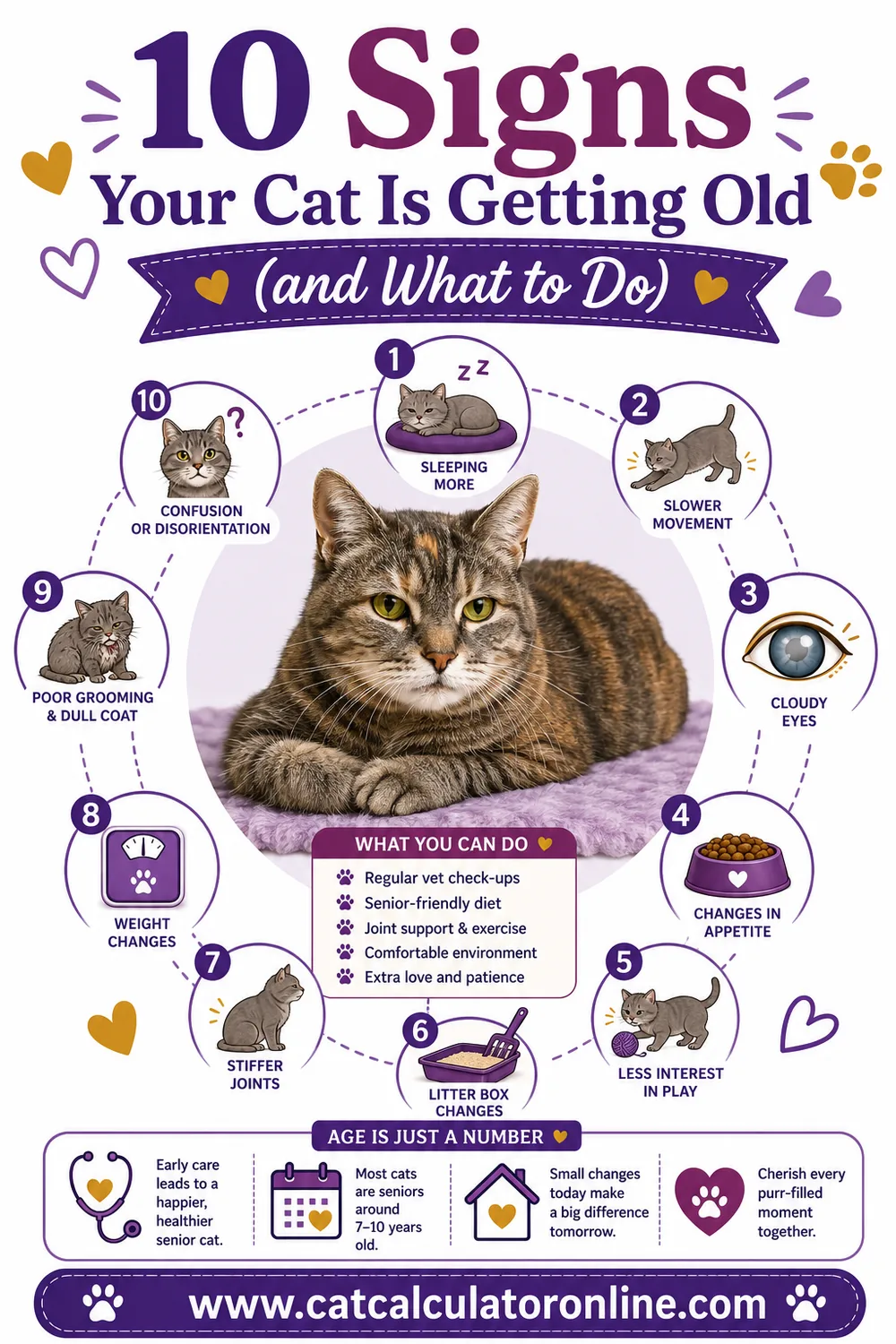
"She's just getting old." Slowing down is normal in a senior cat; a sudden change is not. Arthritis, dental pain and kidney disease all masquerade as "old age" and all deserve a vet's attention. Signs your cat is getting old covers what's genuinely normal aging.
"She's always been a hider." The question isn't whether she hides — it's whether the hiding has changed. More hiding, new hiding spots, or hiding from things she used to enjoy is the signal.
"It's just hairballs." The occasional hairball is normal. Vomiting weekly, or vomiting food rather than hair, isn't.
"She's a fussy eater." Fussiness that's always been there is one thing. A cat who suddenly becomes fussy may be experiencing mouth pain or nausea.
"She's peeing outside the box to be difficult." Cats don't do spite. Litter box changes are medical until a vet says otherwise — and urinary problems are among the most common reasons.
"She's just fat." Weight gain deserves attention too. Obesity is one of the most preventable risks to a cat's lifespan. Our cat ideal weight calculator gives you a target range for her frame.
How to Track Changes at Home
Vets can only act on what you tell them, and "she seems off" gets a lot more useful with specifics. A few habits that make a real difference:
- Weigh her monthly. Stand on a bathroom scale holding her, then alone, and subtract. Write it down. Trends over months catch things a single reading can't.
- Notice the litter box. Scooping daily gives you a running sense of frequency, clump size, and consistency. Changes are easier to spot than to remember.
- Keep a short note on your phone. Date, what you noticed, how long it lasted. Three lines is plenty.
- Film it. If she's coughing, limping, or breathing oddly, a ten-second video is far more useful than a description. Cats famously look perfectly healthy the moment they arrive at the clinic.
- Track water bowls. If you fill at the same time each day, you'll notice a shift in how fast the bowl empties.
Bring all of it to the appointment. Owner observations are genuinely part of how vets narrow things down.
What to Expect at the Vet Visit
Knowing the shape of the appointment makes it less stressful for both of you.
Your vet will start with a full physical exam — weight, temperature, heart and lungs, abdomen, lymph nodes, joints, eyes, ears and mouth. They'll ask detailed questions about appetite, thirst, litter box habits, activity and behavior at home, which is where your notes earn their keep.
Depending on what they find, they may recommend bloodwork, a urinalysis, blood pressure measurement, imaging, or a dental assessment. For older cats, a broad screening panel is common even when the presenting complaint is vague — precisely because so many feline conditions are quiet.
Ask questions. Ask what the tests are looking for, what the results would change, and what to watch for at home while you wait. A good vet expects this.
Prevention: Catching Things Before They Show
The whole reason vet checkups scale with age is that observation alone isn't enough with a species that hides illness.
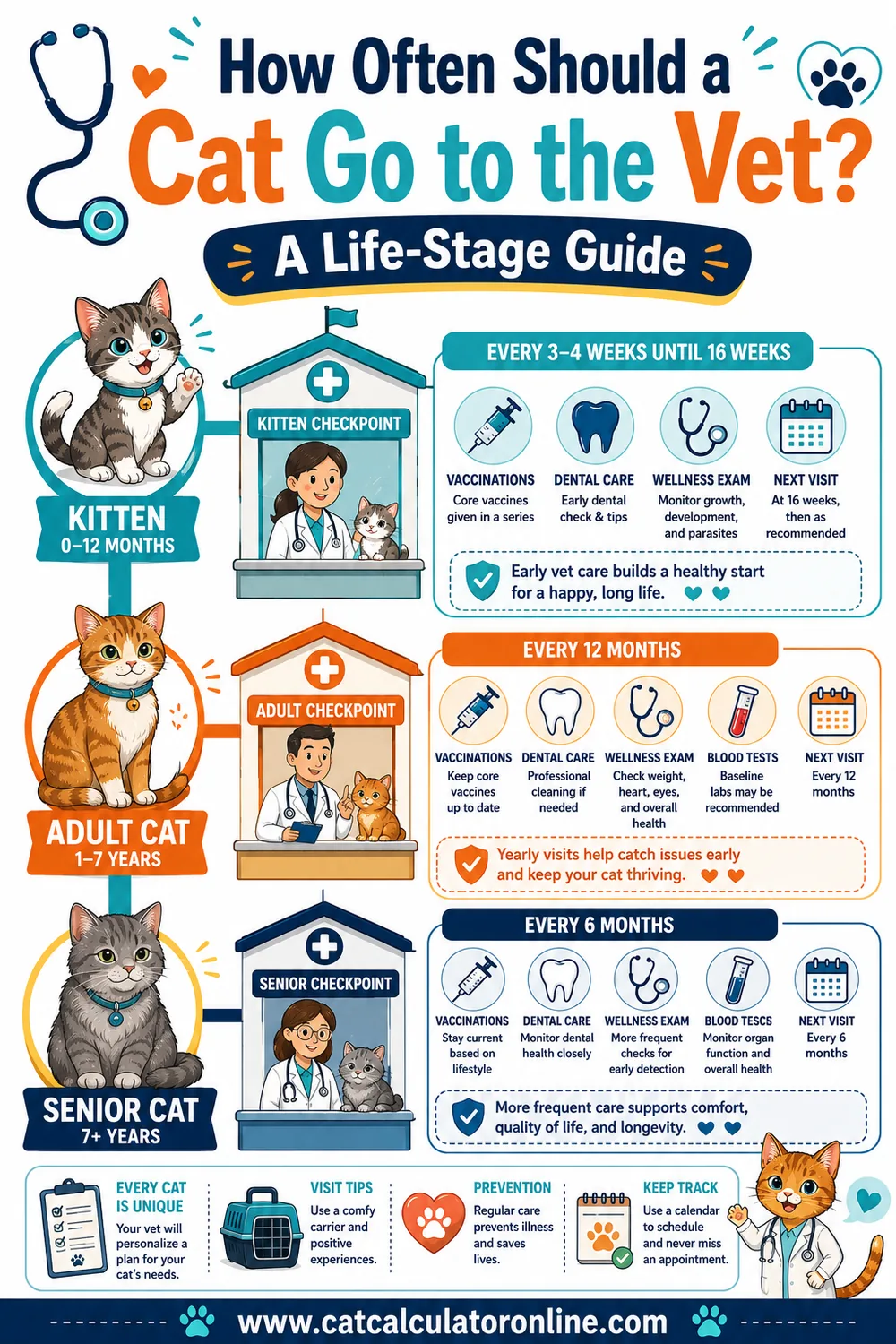
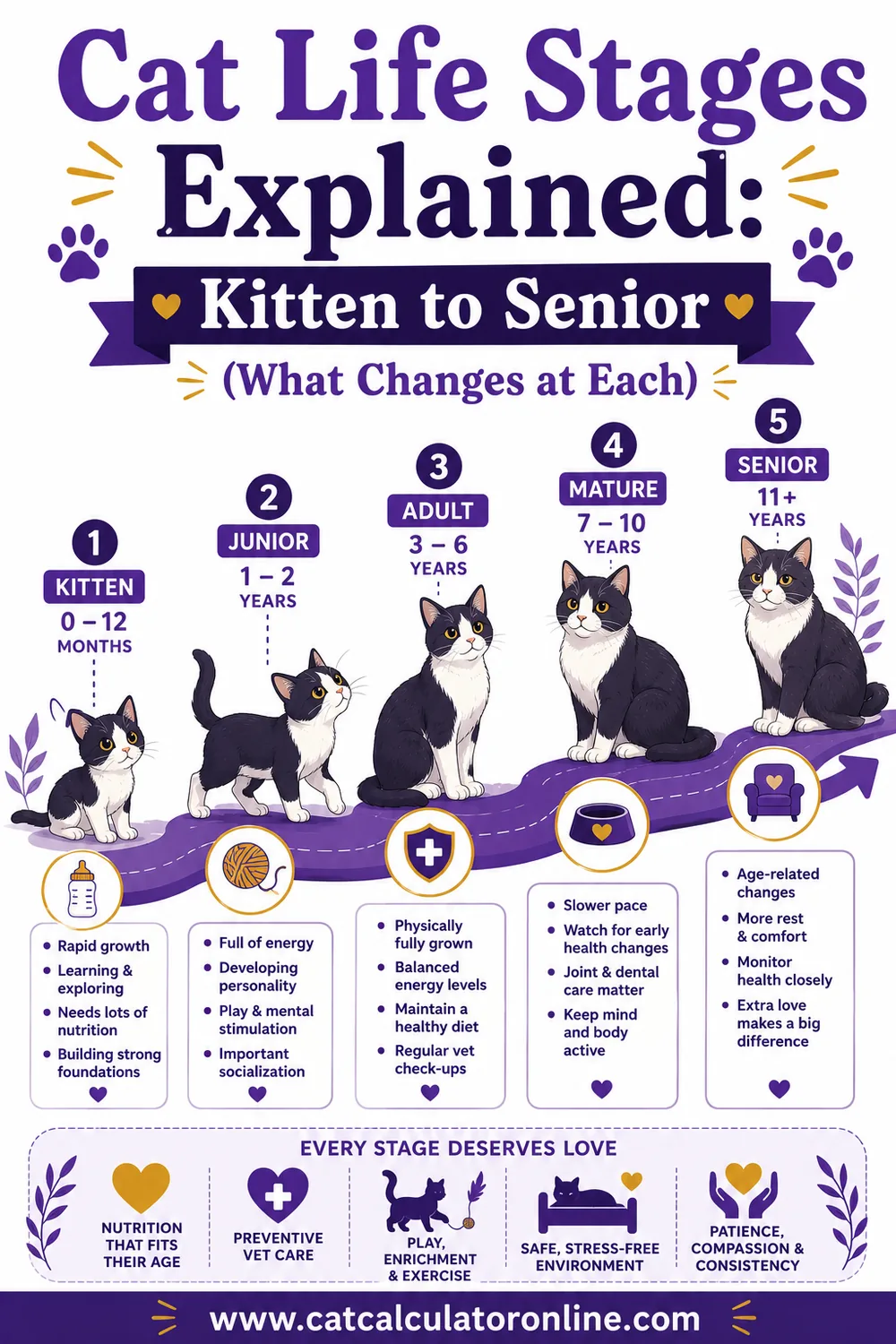
- Kittens (0–1 year): visits every 3–4 weeks until about 16 weeks, plus spay/neuter around 4–6 months.
- Young adults (1–6): annually.
- Mature adults (7–10): annually, often twice yearly.
- Seniors (10+): every six months, usually with bloodwork, urinalysis and blood pressure.
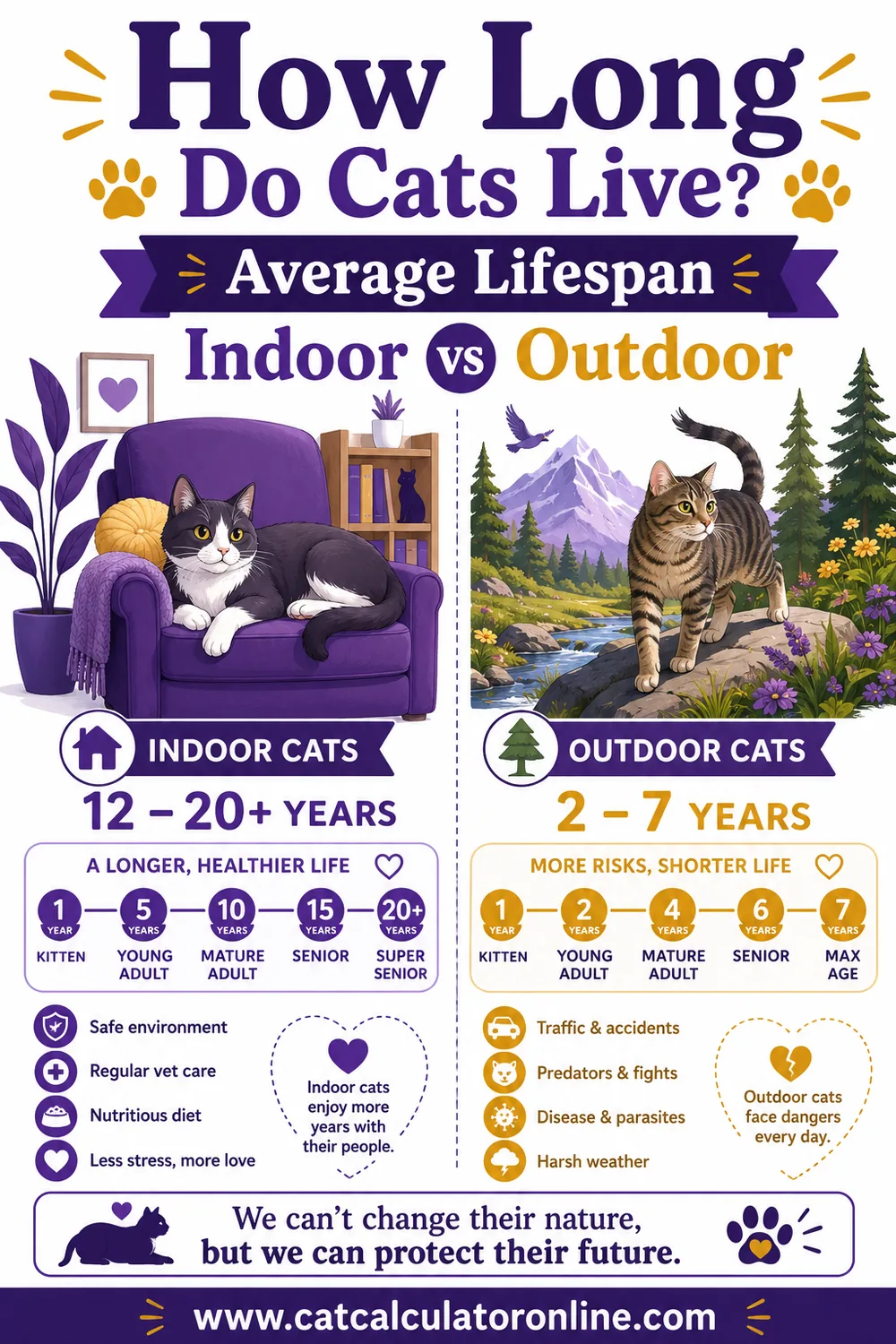
Dental checks matter at every one of those stages. And beyond the schedule, the basics still do the heavy lifting: keep her indoors, keep her at a healthy weight, feed appropriately for her age, and keep her mentally stimulated.
For the full breakdown of what happens at each stage, see how often should a cat go to the vet and cat life stages explained.
FAQ
What are the first signs a cat is sick?
Usually behavioral: hiding, less interest in play, sleeping more, and changes in appetite or thirst. Because cats mask illness, these subtle shifts often appear well before anything obviously physical. Call your vet if you notice them.
How do I know if my cat is sick or just tired?
Duration and pattern. A lazy afternoon is normal; a cat who's withdrawn, less interested in food, or hiding for more than a day or two is showing a change worth investigating. Any change lasting beyond 24–48 hours deserves a vet call.
Is my cat not eating an emergency?
If she hasn't eaten for 24 hours or more, yes — contact your vet the same day. Cats are at particular risk of liver complications from short periods without food, which makes appetite loss more urgent in cats than in many other pets.
Why is straining in the litter box so serious?
Straining with little or no urine produced can mean a urinary blockage, which is life-threatening and most common in male cats. It can become fatal within hours. Treat it as an immediate emergency and go to a vet or emergency clinic right away.
Can a cat be sick and still act normal?
Yes — that's the core problem. Cats instinctively hide illness, so a cat with early kidney disease, dental disease or hyperthyroidism may eat, play and behave completely normally. This is why routine screening bloodwork matters, especially after age 10.
Should I take my cat to the vet or wait and see?
When in doubt, call. Describing the symptom over the phone costs nothing and the clinic will tell you whether to come in, come in today, or monitor at home. For anything on the red-flag list, go immediately without calling first.
The Bottom Line
Cats hide illness by instinct, so the signs that matter are usually quiet ones: hiding, appetite or thirst changes, weight loss, litter box changes, a coat that's stopped being groomed. None of these tell you what's wrong — only your vet can — but all of them tell you it's time to make the call. And straining in the litter box, labored breathing, collapse, suspected poisoning, or 24 hours without food mean going now, not tomorrow.
The best defense is knowing your cat's baseline and keeping up with checkups. Start with our free cat age calculator to see her life stage, then check the schedule in how often should a cat go to the vet and read signs your cat is getting old to tell normal aging from something that needs attention.