Foods Toxic to Cats: The Complete Safety List
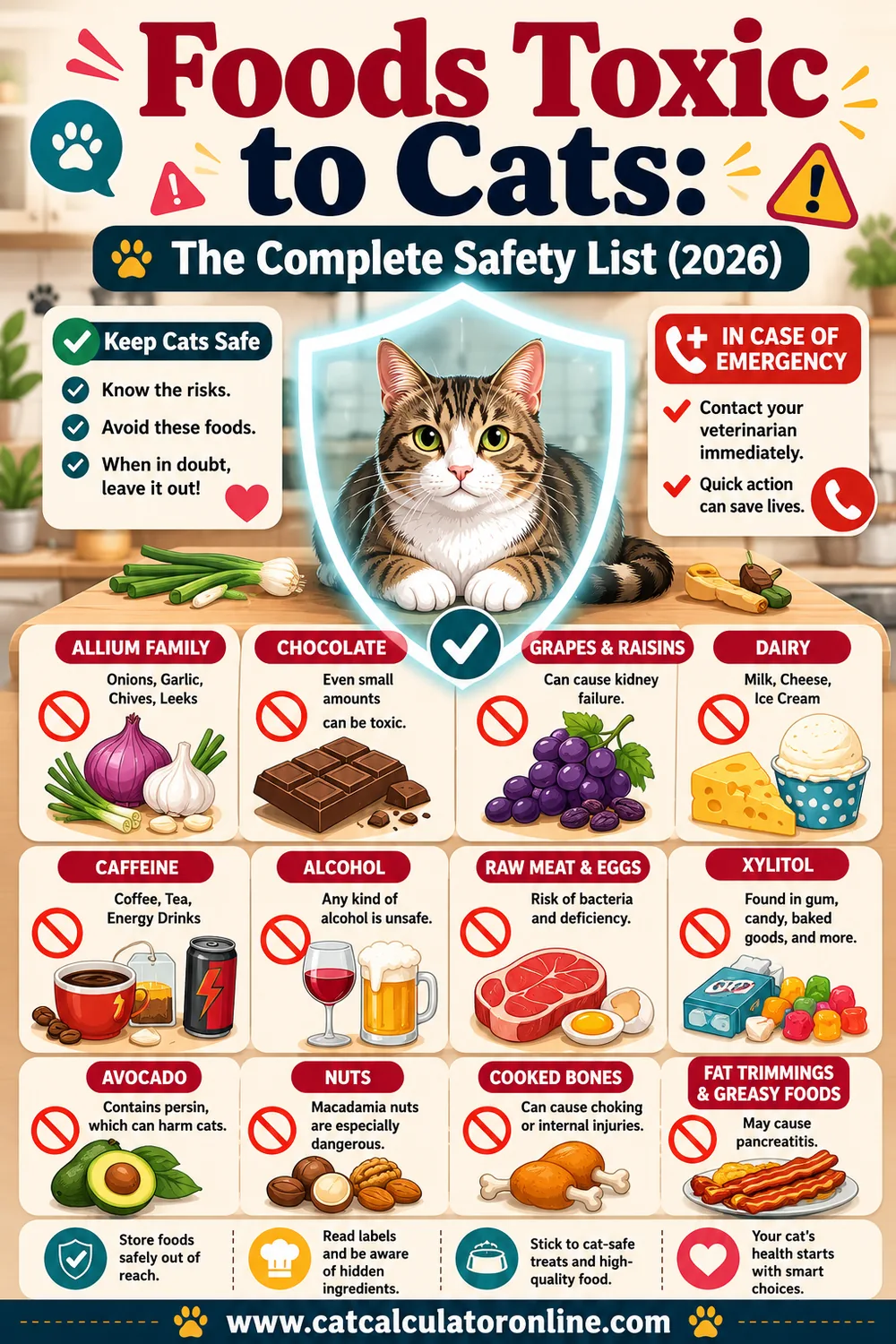
The foods most likely to poison a cat are onions, garlic, chives, leeks and shallots, chocolate and caffeine, alcohol, raw yeast dough, xylitol, macadamia nuts, and grapes or raisins. But the single biggest household danger to cats isn't a food at all — it's true lilies, which can cause fatal kidney failure from a single lick of pollen.
If your cat has already eaten something on this list, stop reading and call your vet or a pet poison helpline immediately. If you're here to cat-proof your kitchen before anything happens, you're in exactly the right place. And once you know what's off the menu, our free cat food calculator will help you work out how much of the right food your cat actually needs each day.
🐾 Is this safe for my cat?
Tap a food to see the verdict:
Tap a food above to see whether it’s safe, unsafe, or okay in moderation.
The Quick Safe vs. Toxic Table
Print this, screenshot it, or stick it on the fridge. It covers the foods people ask about most.
| Food | Verdict | Why |
|---|---|---|
| Onion, garlic, chives, leeks, shallots | Toxic | Damage red blood cells; can cause anemia |
| Chocolate | Toxic | Theobromine and caffeine (methylxanthines) |
| Coffee, tea, energy drinks | Toxic | Caffeine |
| Alcohol | Toxic | Cats are tiny; even small amounts are dangerous |
| Raw bread/yeast dough | Toxic | Expands in the stomach and produces alcohol |
| Grapes and raisins | Avoid | Linked to kidney injury in dogs; not worth the risk |
| Xylitol / birch sugar | Toxic | Sugar substitute found in gum, peanut butter, baked goods |
| Macadamia nuts | Avoid | Well-documented toxicity in dogs; avoid for cats |
| Raw liver in large amounts | Avoid | Vitamin A toxicity over time |
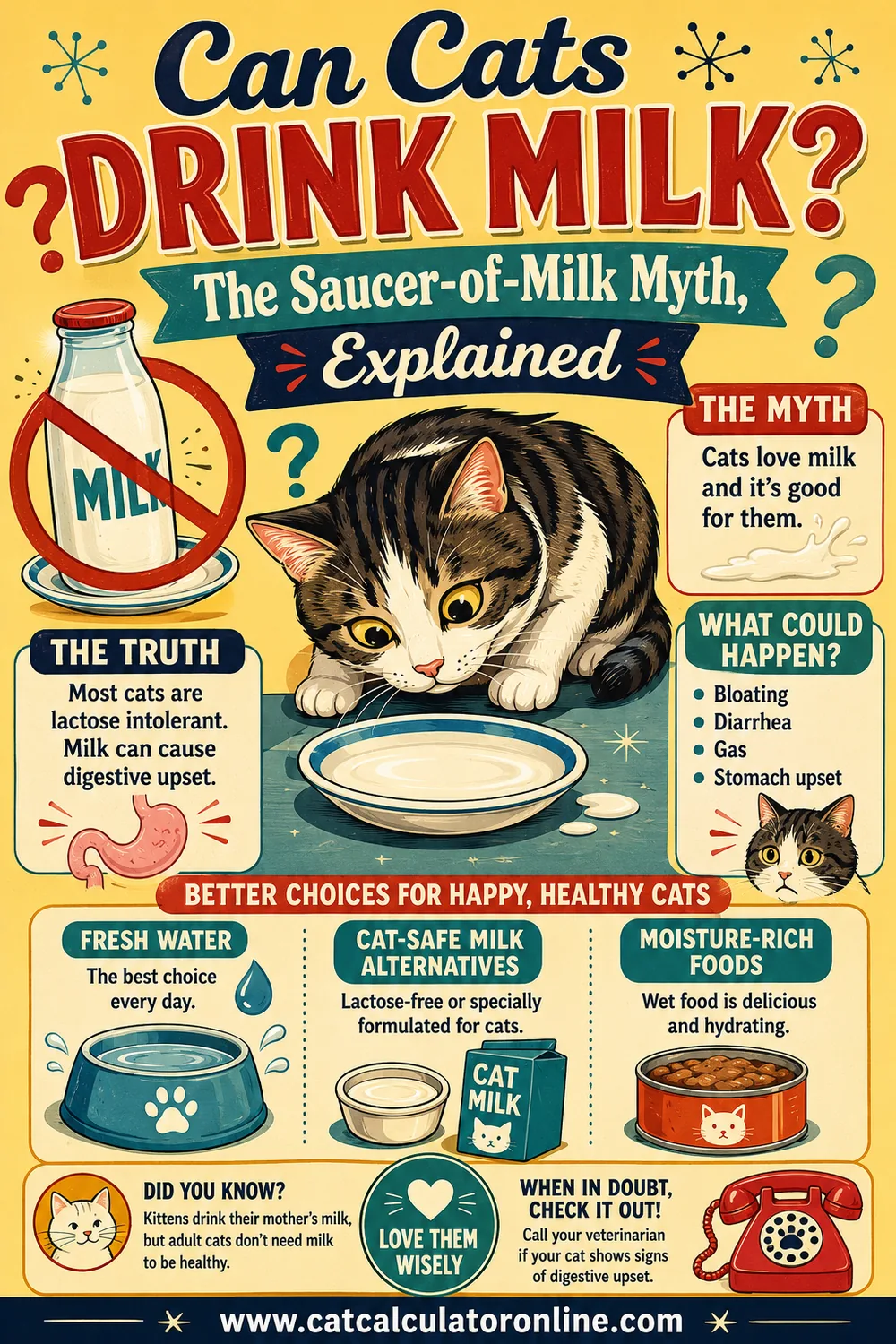
| Cow's milk and cream | Skip it | Most adult cats are lactose intolerant |
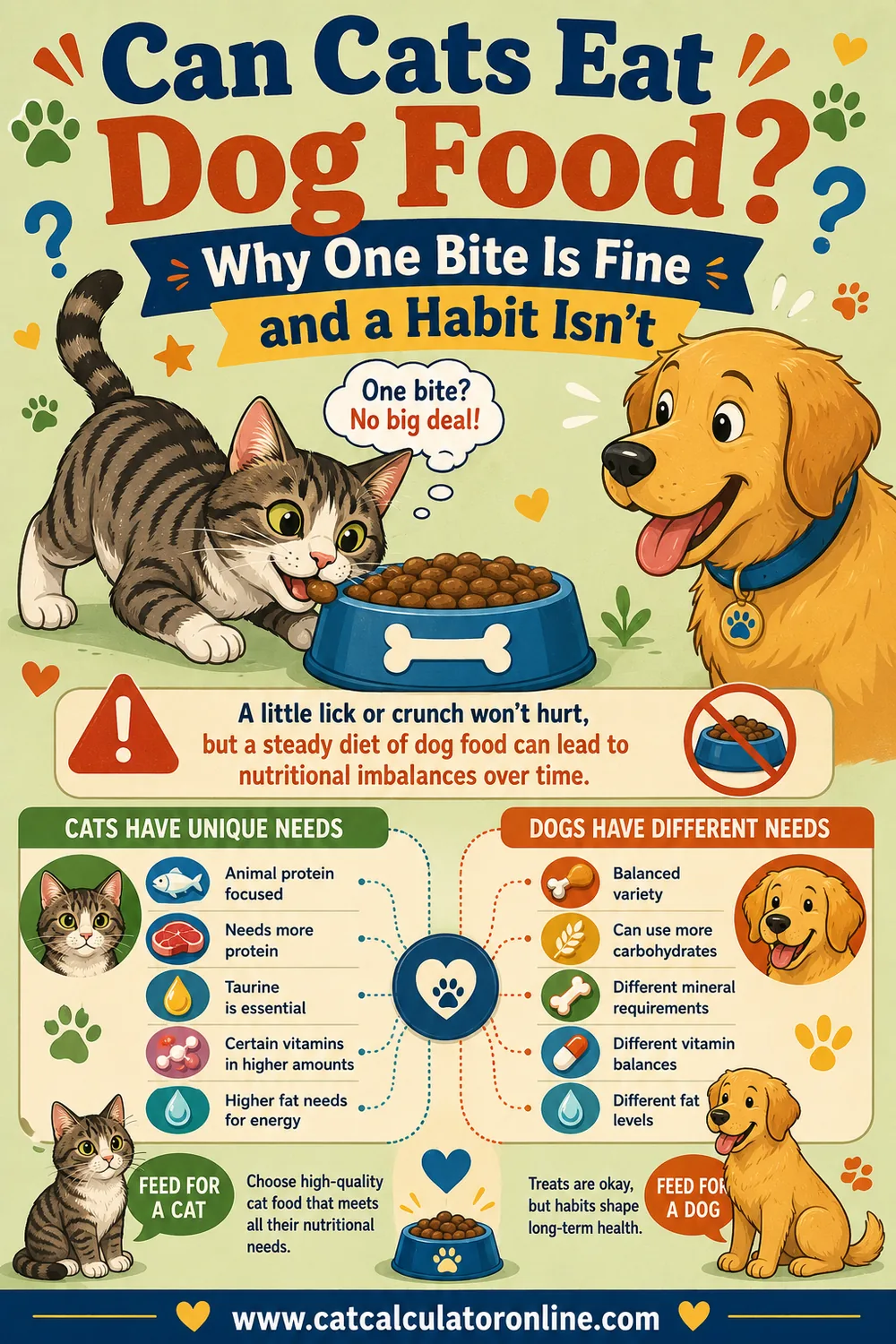
| Dog food | Not a substitute | Lacks taurine, vitamin A and enough protein |
| Cooked bones | Avoid | Splinter and can cause internal injury |
| Plain cooked chicken, turkey, beef | Safe | Unseasoned, boneless, in small amounts |
| Plain cooked fish | Safe in moderation | Fine as a treat, not a complete diet |
| Plain cooked egg | Safe in moderation | Good protein; never raw |
| Plain pumpkin (no spice) | Safe in moderation | Sometimes suggested for digestion — ask your vet |
| Cucumber, zucchini, green beans | Safe in moderation | Low-calorie, low-interest snacks for most cats |
| Water | Essential | The only drink your cat actually needs |
Everything in that "toxic" column deserves a proper explanation, because knowing why something is dangerous helps you spot the sneaky versions of it — the onion powder in the soup, the caffeine in the protein bar.
Alliums: Onion, Garlic, Chives, Leeks and Shallots
This is the group that catches most owners off guard, because these ingredients hide in almost everything savory.
Alliums contain compounds that damage a cat's red blood cells. When enough cells are damaged, the cat can develop hemolytic anemia — meaning the blood can't carry oxygen properly. Cats are more sensitive to this than dogs are.
The part people miss: powdered and dehydrated forms are far more concentrated than fresh. A teaspoon of onion powder packs much more allium than a slice of raw onion. That's why the real-world risk usually comes from human leftovers rather than from a cat chewing a raw bulb.
Watch out for alliums in:
- Baby food (many savory varieties contain onion powder)
- Gravy, stock cubes, broth and soup
- Garlic bread, seasoned rotisserie chicken, and pan drippings
- Onion rings, spice blends, and most takeout
- "Natural" flea remedies containing garlic — these are not safe, despite the marketing
Signs of allium poisoning often show up a few days after eating, not immediately. Look for weakness, pale or yellowish gums, rapid breathing, reduced appetite, or reddish-brown urine. If you see any of that, call your vet.
Chocolate, Coffee and Caffeine
Chocolate contains theobromine and caffeine, both methylxanthines, and cats process them very slowly. Most cats aren't especially drawn to sweets — they can't taste sugar the way we do — but they'll happily lick a bowl of ice cream or chew a wrapper.
Danger goes up with how dark the chocolate is:
- Highest risk: cocoa powder, baking chocolate, dark chocolate
- Moderate risk: semi-sweet, milk chocolate
- Still not okay: white chocolate has little theobromine but plenty of fat and sugar
Caffeine is the same problem in a different wrapper. Coffee grounds, tea bags, energy drinks, diet pills and pre-workout powders are all sources. Coffee grounds in an open bin are a surprisingly common way cats get into trouble.
Symptoms can include restlessness, a racing heart, panting, vomiting, tremors, and in severe cases seizures. This is a call-the-vet situation, not a wait-and-see one.
Alcohol and Raw Yeast Dough
Alcohol affects cats the same way it affects us, just at a fraction of the dose — a cat's body weight is a tenth of ours or less. Beer, wine, spirits, spiked desserts and rum-soaked fruitcake are all off limits.
Raw yeast dough is a double problem. It keeps rising in the warm stomach, which can cause painful bloating and, in dogs especially, a dangerous twisting of the stomach. And as the yeast ferments, it produces alcohol that gets absorbed into the bloodstream. If your cat has swallowed raw dough, that's an emergency call.
Baked bread, once cooked, isn't toxic — it's just empty calories with nothing your cat needs.
Grapes, Raisins and Currants
Grapes and raisins are firmly linked to acute kidney injury in dogs, and nobody has been able to pin down the exact toxic compound or a reliable safe dose. The evidence in cats is much thinner — there simply aren't many reported cases, partly because most cats have no interest in fruit.
The honest position: it's not proven in cats, but a food that can wreck a dog's kidneys with no known safe amount isn't worth a gamble. Keep grapes, raisins, currants, trail mix and raisin bread away from your cat, and call your vet if one gets eaten.
Xylitol, Macadamia Nuts and Raw Liver
Xylitol (also sold as birch sugar) is a sugar substitute in sugar-free gum, mints, some peanut butters, protein bars and baked goods. It causes a dangerous drop in blood sugar in dogs. Cats appear less commonly affected, but there's no reason to test it — treat anything labeled sugar-free as off limits and check the ingredients on peanut butter before offering a lick.
Macadamia nuts cause a well-documented reaction in dogs including weakness and tremors. The cat data is limited; the sensible move is avoidance. Most nuts are also high in fat, which can upset a cat's stomach regardless.
Raw liver in large or regular amounts can lead to vitamin A toxicity, which affects bones and joints over time. A tiny piece of cooked liver now and then is a different story from liver as a staple. If you're building meals around organ meat, that's a conversation for your vet.
Lilies: The Biggest Danger in Most Homes
If you remember one thing from this article, make it this one.
All parts of a true lily are potentially fatal to cats. That includes Easter lilies, Tiger lilies, Asiatic and Oriental lilies, and Day lilies. The petals, the leaves, the stem, the pollen, and even the water in the vase can cause acute kidney failure. A cat that brushes past a bouquet and then grooms pollen off her fur has ingested it.
There's no safe amount and no home remedy. If you suspect any lily exposure — pollen on the coat, a chewed leaf, a knocked-over vase — get to a veterinary clinic immediately. Time matters enormously here, and cats treated early do far better than cats treated late.
The practical rule: don't have true lilies in a home with cats. Not in a vase, not in the garden bed she patrols, not in a bouquet someone sends you. Tell people who send you flowers. Plenty of florists will do a cat-safe arrangement if you ask.
Other plants worth keeping away from cats include sago palm, tulip and daffodil bulbs, azalea, oleander, and dieffenbachia. Lilies are the emergency; the rest are still worth avoiding.
Symptoms to Watch For
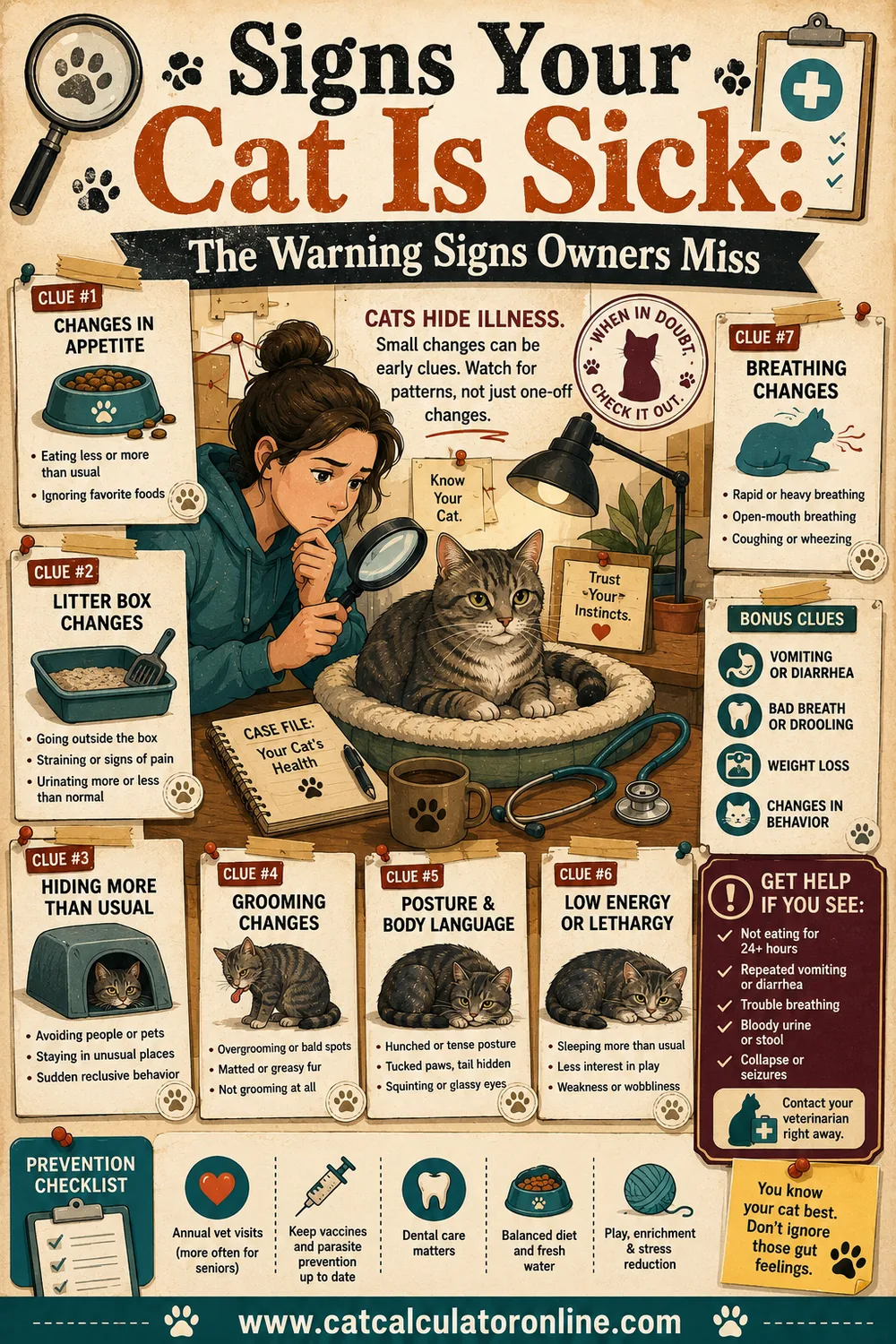
Poisoning doesn't always look dramatic. Cats are experts at hiding illness, and some toxins take days to show effects. Get in touch with your vet if you notice:
- Vomiting or diarrhea, especially if it's repeated
- Drooling more than usual, or pawing at the mouth
- Loss of appetite or refusing water
- Lethargy, hiding, or unusual weakness
- Pale, yellow, or very red gums
- Wobbliness, tremors, or trouble walking
- Rapid or labored breathing
- Drinking or urinating far more than normal, or not urinating at all
- Seizures or collapse — go straight to an emergency clinic
You don't need to be certain something's wrong to call. Vets would far rather field a false alarm than see a cat 48 hours too late. Our guide to signs your cat is sick covers the subtler changes worth tracking.
What to Do If Your Cat Eats Something Toxic
Have a plan before you need one.
- Get your cat away from the food. Remove what's left so no one else eats it, but don't waste time cleaning.
- Call your vet or a pet poison helpline immediately. Don't wait for symptoms. Many toxins are far easier to treat before signs appear.
- Have the details ready: what was eaten, roughly how much, when, and your cat's weight. Keep the packaging — the ingredient list matters.
- Do not try to make your cat vomit at home. Inducing vomiting can cause serious harm with certain substances, and home methods that circulate online are dangerous for cats. Only a veterinary professional should decide this.
- Don't give any human medication or home remedy. Many common human drugs are themselves toxic to cats.
- Follow the instructions you're given and go in if you're told to.
Save your vet's number and an emergency clinic's number in your phone right now, plus a pet poison helpline. Poison control hotlines usually charge a consultation fee — worth it, and worth knowing in advance so cost doesn't cause a delay.
Everyday Habits That Prevent Most Poisonings
Almost every case comes down to access. A few small habits close the door:
- Treat the counter as fair game. Cats jump. Put food away rather than out of reach.
- Use a lidded, latched bin. Coffee grounds, onion skins, chocolate wrappers and bones all live in there.
- Don't share plates. Table scraps are where the seasoning hides. If you want to share, set aside a plain unseasoned piece before you cook.
- Check every label before you offer a taste — especially anything sugar-free.
- Skip the milk saucer. It's the most common well-meaning mistake there is. Here's why cats and milk don't mix.
- Keep dog food in a separate, closed container. A stolen bite is fine, a habit isn't — see can cats eat dog food.
- No true lilies in the house. Full stop.
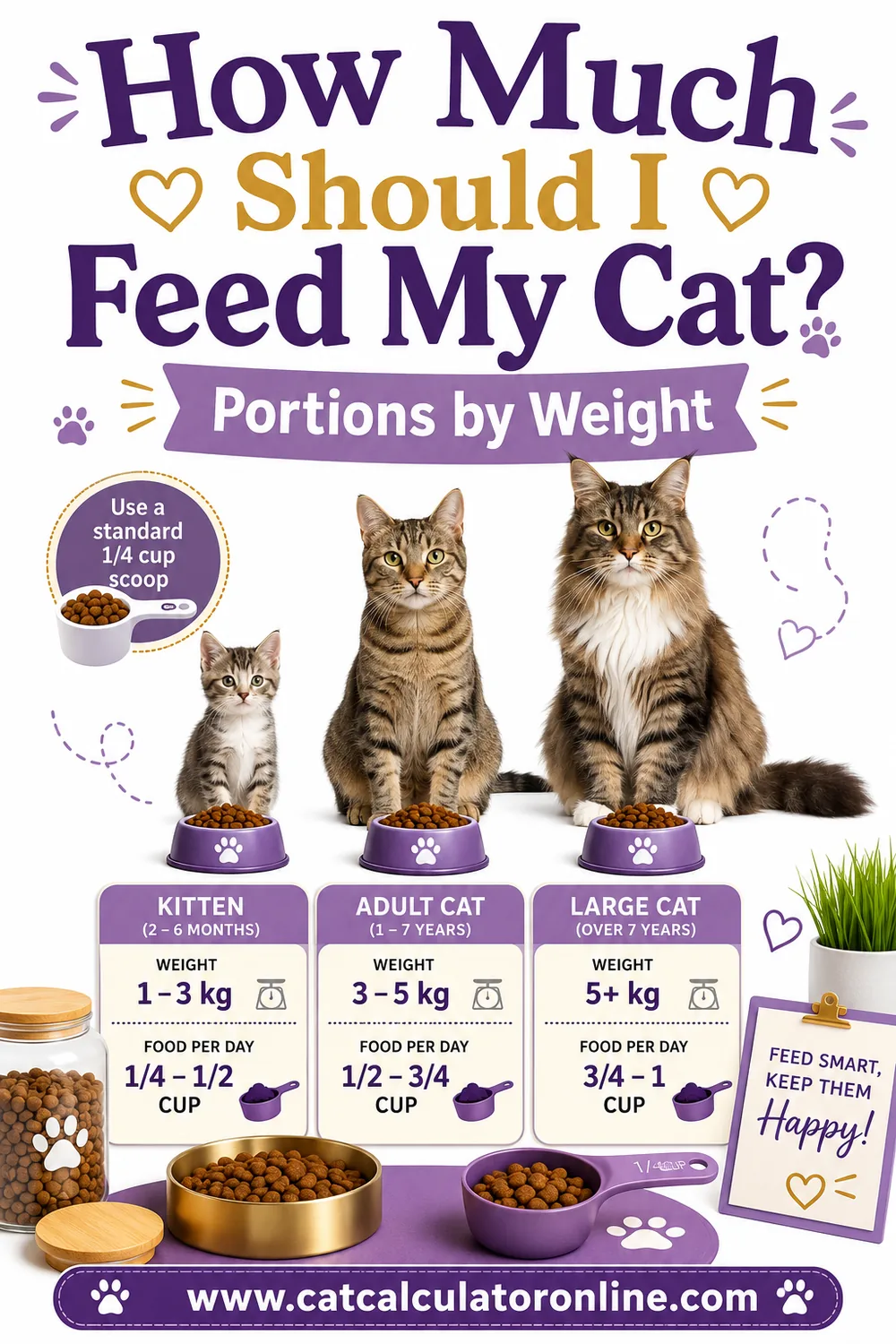
- Feed the right amount of proper cat food. A cat who's genuinely satisfied does less counter-surfing. Our cat food calculator gives you a daily starting point based on weight and life stage.
FAQ
What foods are most toxic to cats?
Onions, garlic, chives, leeks and shallots top the list, along with chocolate, caffeine, alcohol, raw yeast dough, xylitol, macadamia nuts, and grapes or raisins. True lilies are the most dangerous household item overall — every part of the plant can cause fatal kidney failure.
Can cats eat a small amount of onion or garlic?
It's best to avoid both completely. Alliums damage red blood cells and can cause anemia, and the powdered forms found in gravy, stock and seasoned meat are far more concentrated than fresh. There's no established safe amount for cats.
How long after eating something toxic will my cat show symptoms?
It depends entirely on the substance. Caffeine and chocolate can cause signs within a couple of hours, while allium poisoning often doesn't show up for several days. That delay is exactly why you should call your vet right away instead of waiting to see what happens.
Are grapes really toxic to cats?
The kidney-injury link is well established in dogs, and researchers still haven't identified a safe dose. Reported cases in cats are rare and the evidence is limited — but given how serious the effect is, avoiding grapes, raisins and currants entirely is the sensible call.
Should I make my cat vomit at home?
No. Inducing vomiting can cause serious additional harm depending on what was swallowed, and home methods that get shared online are not safe for cats. Call your vet or a pet poison helpline and let them decide.
What human foods are actually safe for cats?
Plain cooked chicken, turkey, beef or fish with no seasoning, bones or skin; plain cooked egg; and small amounts of plain vegetables like green beans or cucumber. Treats of any kind should stay a small fraction of the day's calories — the rest should be complete cat food.
The Bottom Line
The list of foods toxic to cats is short enough to memorize: alliums, chocolate and caffeine, alcohol, raw dough, xylitol, macadamia nuts, and grapes or raisins. Add true lilies as the one household item that's an outright emergency, and you've covered the great majority of real-world cat poisonings.
Keep human food off the floor, keep the bin latched, and keep lilies out of the house. Then use our free cat food calculator to see exactly how much complete cat food your cat should be getting each day — a well-fed cat is a much less determined scavenger. You might also want to read how much should I feed my cat and the truth about cats and milk.
And if your cat ate something toxic, call your vet or a pet poison helpline immediately. Don't wait.