Can Cats Eat Dog Food? Why One Bite Is Fine and a Habit Isn't
A cat who steals a mouthful of the dog's dinner is not in danger — dog food isn't toxic to cats. But dog food is not a substitute for cat food, and a cat fed on it for weeks or months will develop serious nutritional deficiencies, including a taurine shortfall that can damage the heart and the eyes.
The short version: don't panic about the occasional raid, but don't let it become the routine. If you're weighing this because cat food is expensive, keep reading — there's a section on that below, and our free cat food calculator will show you exactly how much your cat needs, which is often less than people are buying.
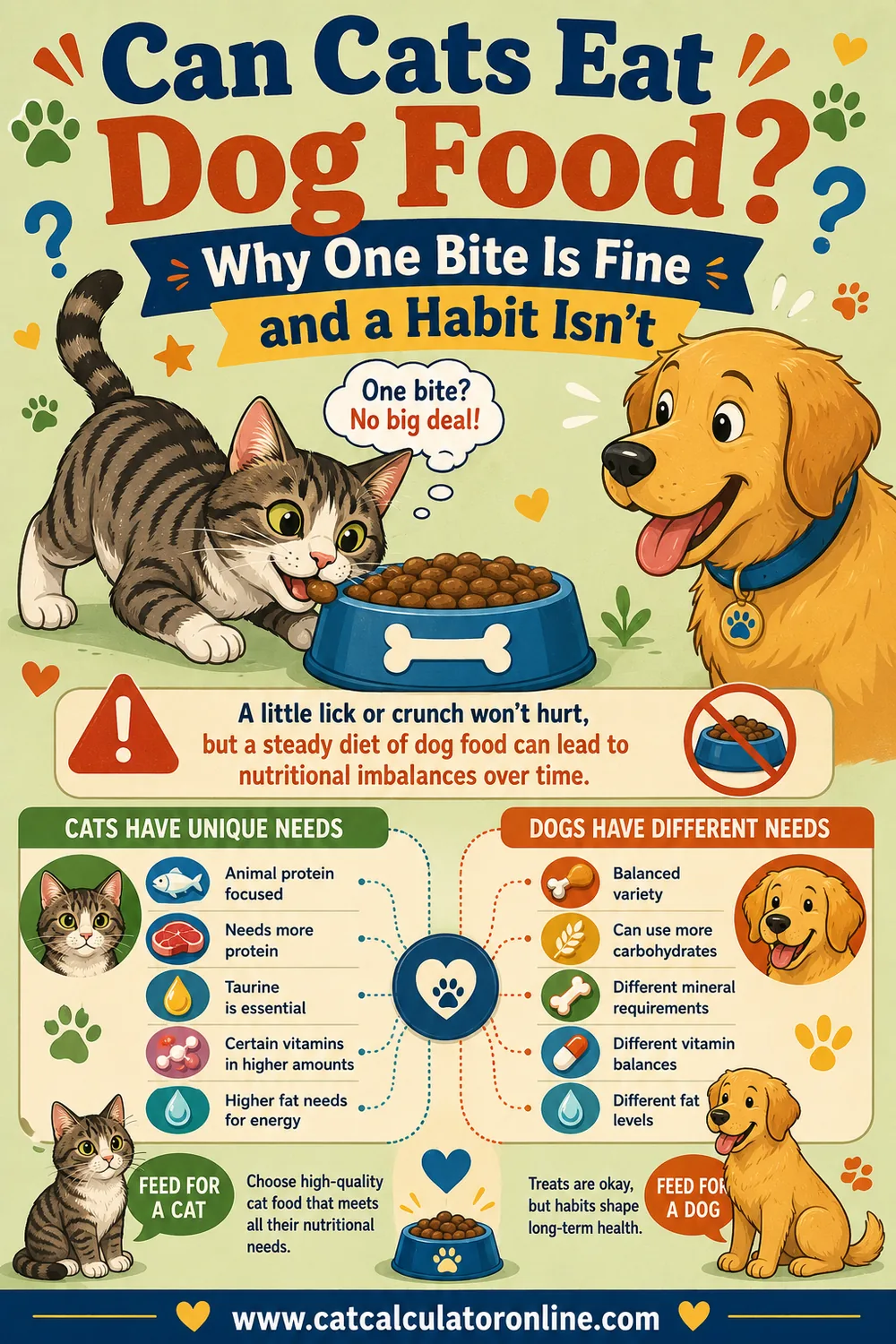
🍽️ Cat food vs. dog food: what’s the difference?
Tap a nutrient to see why it matters:
Tap an item above to see why cat food and dog food aren’t interchangeable.
First: Is a Stolen Bite an Emergency?
No. If your cat cleaned out the dog's bowl while you weren't looking, take a breath. Dog food doesn't contain anything toxic to cats — it's just food built for a different animal.
The worst you're likely to see is a mildly upset stomach, especially if the food is richer or fattier than what she's used to. Loose stools or a bit of vomiting that resolves within a day is normal for any sudden diet change.
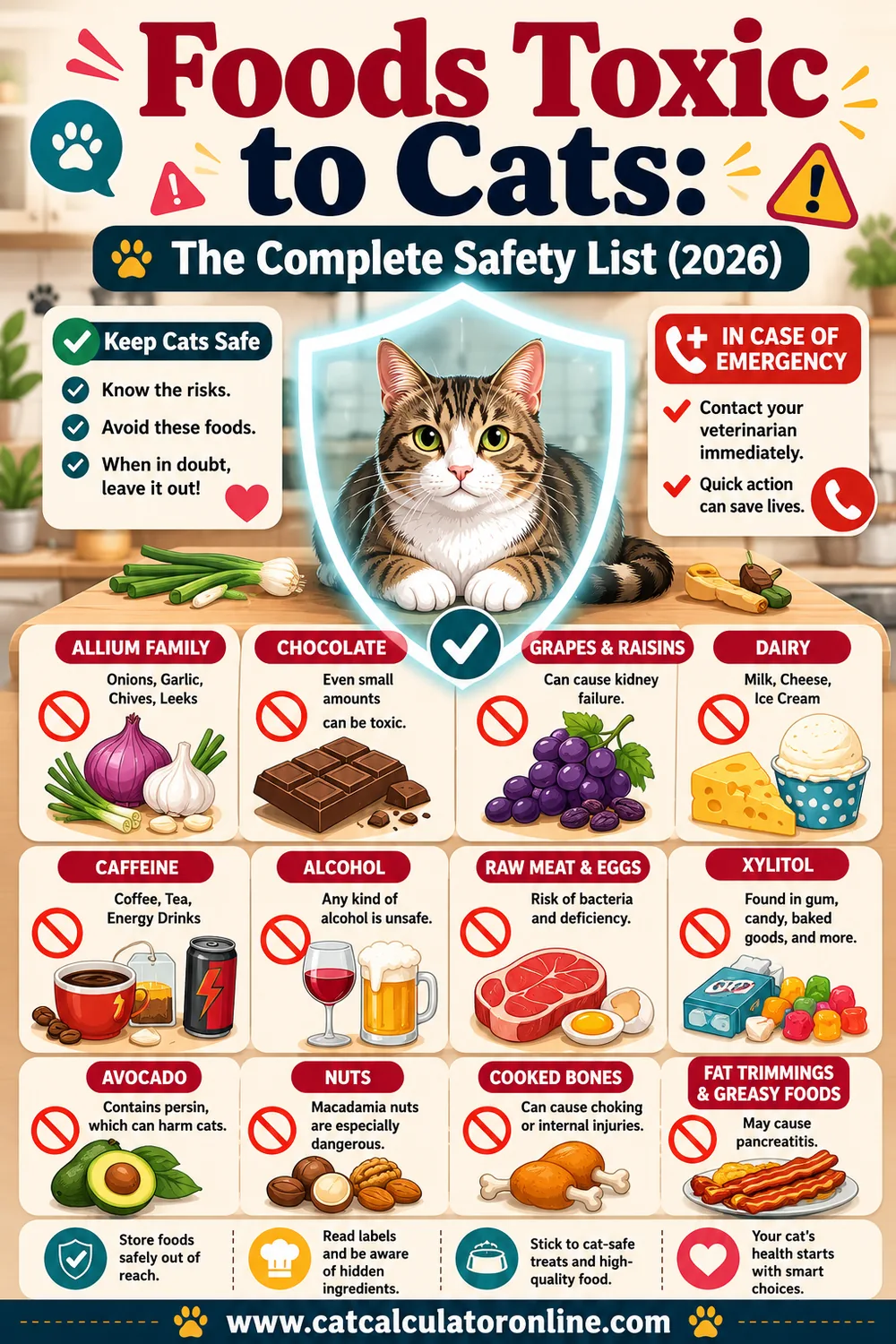
Call your vet if she has repeated vomiting, diarrhea lasting more than a day or two, or seems lethargic. Also check the dog food's ingredients — if it's a flavored or homemade mix containing onion or garlic powder, that's a different conversation, and our guide to foods toxic to cats explains why.
Why Cat Food and Dog Food Aren't Interchangeable
Dogs are omnivores. Cats are obligate carnivores — their bodies are built to run on animal tissue and have lost the ability to make several nutrients that dogs can produce internally or convert from plant sources.
That's the whole story in one sentence. Dog food is a complete diet for a dog precisely because a dog's body fills in the gaps. A cat's body can't.
| Nutrient | Why cats need it | Dog food |
|---|---|---|
| Taurine | Cats can't synthesize enough; needed for heart muscle and retinal function | Not formulated to feline levels |
| Preformed vitamin A | Cats can't convert beta-carotene into vitamin A | Relies on conversion dogs can do |
| Arachidonic acid | Essential fatty acid cats can't produce in useful amounts | Not a required ingredient |
| Protein | Cats need substantially more, continuously | Formulated to a lower target |
| Niacin | Cats can't make enough from tryptophan | Lower dietary requirement |
None of this means dog food is "bad." It means it's aimed at a different animal.
Taurine: The One That Really Matters
Taurine is the headline problem, and it's worth understanding because the consequences are severe and sometimes irreversible.
Taurine is an amino acid found in animal tissue. Dogs make enough of their own. Cats make very little, so they have to get it from their food — every single day, because they also lose it continuously through bile.
When a cat doesn't get enough taurine over time, two things can happen:
- Dilated cardiomyopathy. The heart muscle stretches and weakens, and the heart can't pump properly. This was a widespread problem in cats before the link to taurine was identified in the 1980s — the discovery is why every complete cat food is now supplemented with it.
- Retinal degeneration. The light-sensitive tissue at the back of the eye breaks down. Caught early, the damage may stop progressing once taurine is restored. Left long enough, it can lead to permanent blindness.
Heart function often improves with treatment once taurine is back in the diet. Vision loss that's already happened generally doesn't come back. That's the asymmetry that makes this worth taking seriously.
Dog food isn't required to be supplemented with taurine at feline levels, so a cat eating it long-term is slowly running down her supply.
Vitamin A and Arachidonic Acid
Two more gaps that follow the same pattern.
Vitamin A. Dogs (and humans) can take beta-carotene from plants and convert it into vitamin A. Cats lack the enzyme to do this efficiently, so they need preformed vitamin A from animal sources, added to their food. Deficiency affects vision, skin and coat quality, and immune function. Dog foods often lean on beta-carotene, which does a cat no good at all.
Arachidonic acid. This is an omega-6 fatty acid that dogs can produce from linoleic acid. Cats can't do that conversion in meaningful amounts, so it has to come from the diet. It's involved in skin health, inflammatory response and normal organ function. Dog food formulas simply aren't required to include it.
Add these to the taurine shortfall and the higher protein requirement, and you can see why "it's all just pet food" doesn't hold up.
What Long-Term Dog Food Feeding Actually Does
Deficiency is slow. That's what makes it dangerous — a cat eating dog food looks completely fine for a long while, so there's no obvious moment where you'd know to stop.
Over weeks and months you might notice:
- A dull, flaky, or thinning coat
- Weight loss, or muscle loss even at a stable weight
- Low energy, sleeping more, less interested in play
- Poor appetite
- Changes in vision — bumping into things, hesitating in low light
- Breathing changes, exercise intolerance, or a heart murmur found at a checkup
These are non-specific signs that overlap with plenty of other conditions, so they're a reason to see a vet rather than to self-diagnose. If your cat has been eating dog food regularly, say so at the appointment — it's directly relevant, and there's no judgment in it.
If Cost Is the Reason, Say So Out Loud
Plenty of people end up feeding a cat dog food because dog food is cheaper per pound, or because there's one bag in the house and two animals. That's an understandable situation, not a character flaw — but dog food isn't a workable answer to it, because the deficiencies land on the cat either way.
Some things that genuinely help:
- Feed the right amount. A lot of cats are overfed, and portion size is the single easiest place to save money without cutting quality. Our cat food calculator gives you a daily calorie target based on weight and life stage.
- Buy the largest bag you'll use before it goes stale, and store it sealed. Cost per pound drops sharply with size.
- Store-brand complete cat food beats premium dog food, every time. A budget food formulated for cats meets feline requirements; a premium dog food doesn't. Look for a statement on the bag saying the food is complete and balanced for cats at your cat's life stage.
- Mix wet and dry rather than going all-wet if canned food is stretching the budget. You still get hydration benefits at lower cost.
- Ask your vet or a local rescue about pet food banks. Many areas have them, and staff would far rather help you find food than treat a deficiency later.
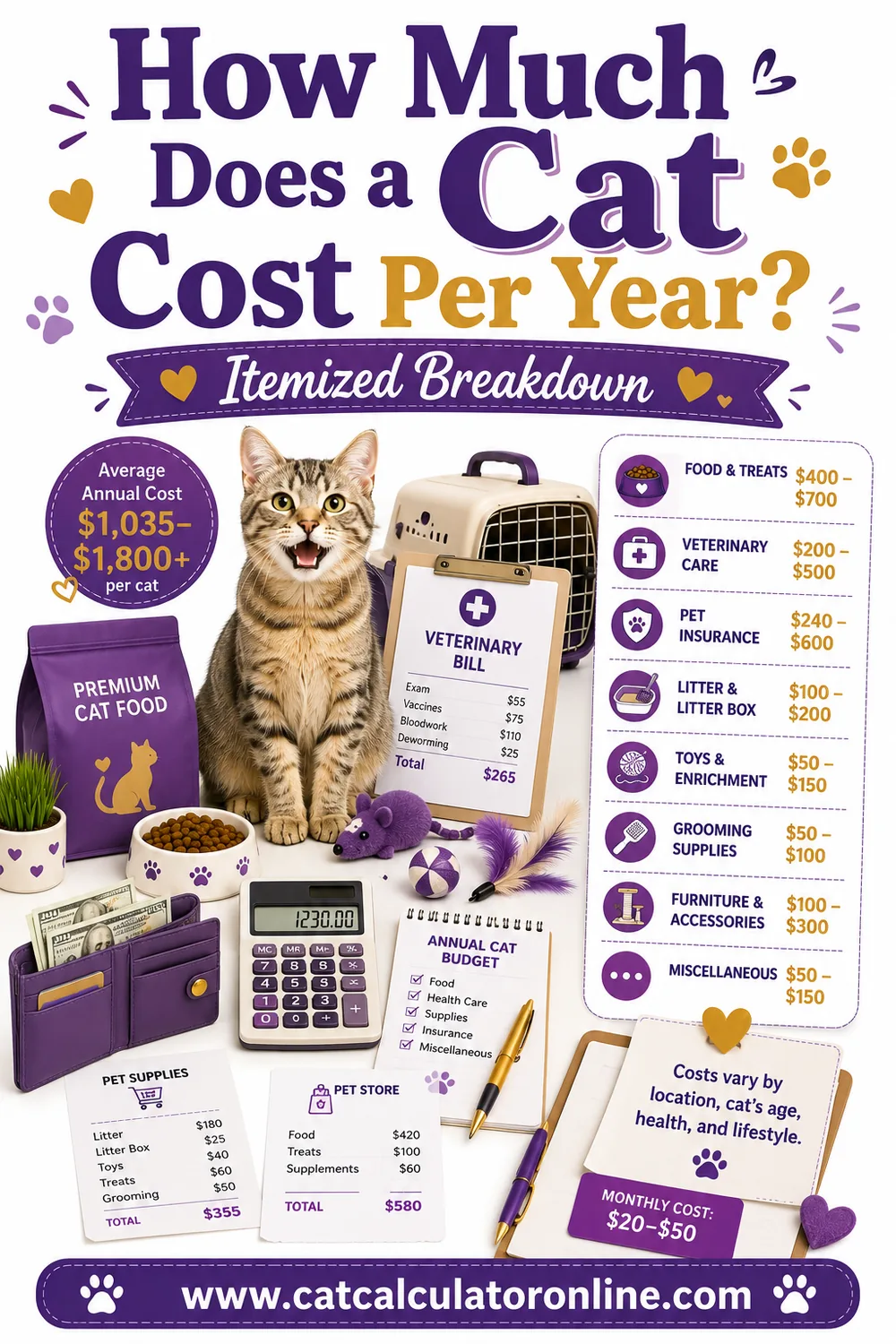
Our breakdown of how much a cat costs per year itemizes where the money actually goes, which helps when you're trying to trim.
How to Stop the Bowl Raiding
If your cat just prefers the dog's food — which happens, because dog kibble is sometimes more fragrant — a few practical fixes:
- Feed in separate rooms and pick up bowls when the meal is over. Free-feeding the dog makes this impossible, so switch to scheduled meals if you can.
- Feed the cat up high. Most dogs can't follow a cat onto a counter or shelf; most cats can get there effortlessly.
- Use a baby gate with a cat-sized gap, or a microchip-activated feeder if raiding is constant and you can justify the cost.
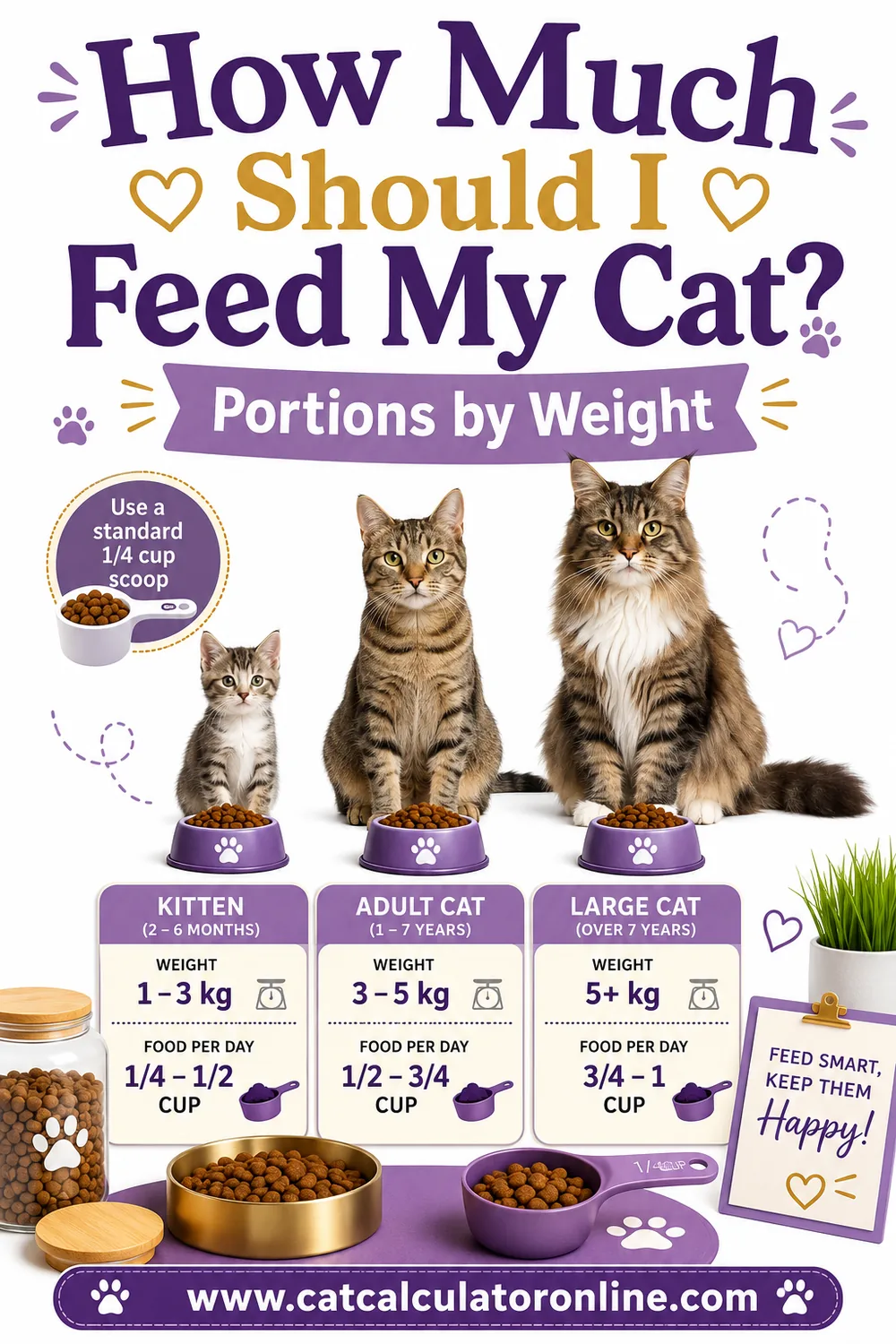
- Check whether your cat is actually hungry. Persistent food-seeking can mean her portions are too small — or, in an older cat, something medical. If her appetite has genuinely changed, mention it to your vet. Our guide to how much should I feed my cat has sensible starting ranges.
One more thing worth checking: the reverse problem. If your dog is also helping himself to the cat's bowl, you've got two animals eating the wrong diet and neither of them getting the right one. Separate feeding stations solve both directions at once, and they take about ten minutes to set up. A shelf, a closed door at mealtimes, or a simple routine of feeding the cat first and picking up the bowl is usually all it takes.
FAQ
Can cats eat dog food in an emergency?
For a meal or two, yes — a cat won't be harmed by a day of dog food if there's genuinely nothing else. Get proper cat food as soon as you can, and don't let a stopgap turn into the arrangement.
What happens if a cat eats dog food long-term?
Cats fed dog food for weeks or months can develop taurine deficiency, which is linked to dilated cardiomyopathy and retinal degeneration, along with vitamin A and arachidonic acid deficiency and inadequate protein. Signs are gradual — a poor coat, weight or muscle loss, low energy, and eventually vision or heart problems.
Is wet dog food better for cats than dry?
No. The moisture is nice but the underlying formulation problem is identical — wet dog food is still built to canine nutrient targets and still lacks the taurine and preformed vitamin A a cat needs.
Can dogs eat cat food instead?
Also no, though for different reasons. Cat food is much higher in protein and fat than a dog needs, so it can cause stomach upset, pancreatitis in susceptible dogs, and weight gain over time. Keep both animals on their own food.
My cat eats dog food and seems totally fine. Is that proof it's okay?
Not really. Nutritional deficiency develops slowly and invisibly, and cats hide illness well. A cat can look healthy for months while her taurine stores run down. If dog food has been a regular part of her diet, mention it to your vet.
How do I know a cat food is complete?
Look for a nutritional adequacy statement on the packaging saying the food is complete and balanced for cats at a specific life stage — growth, maintenance, or all life stages. That statement is what separates a real diet from a treat or supplement.
The Bottom Line
Dog food isn't poison, and one stolen mouthful isn't worth worrying about. But cats are obligate carnivores with specific requirements — taurine, preformed vitamin A, arachidonic acid, and a lot more protein — that dog food is not built to meet. Fed long-term, it causes real and sometimes permanent harm.
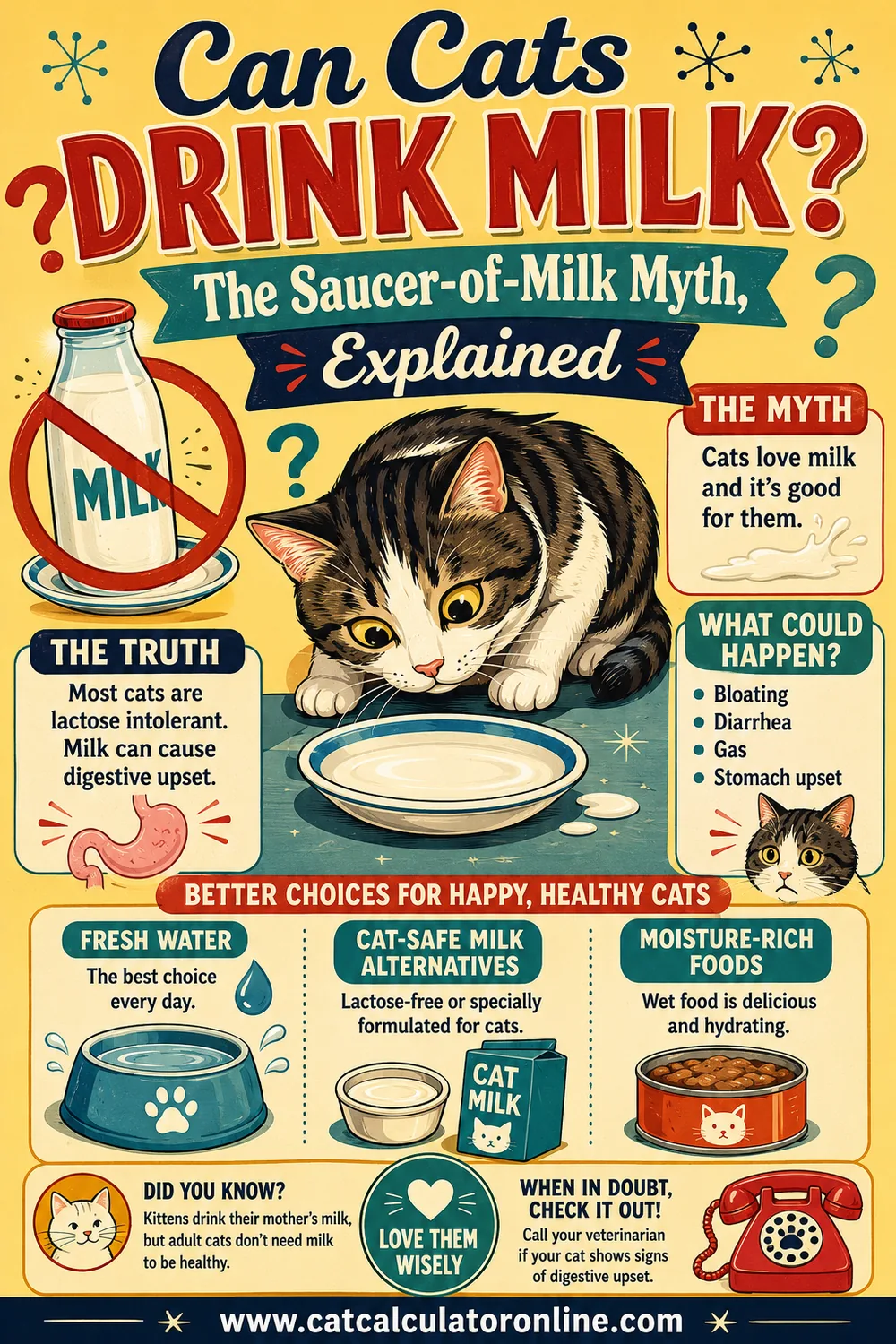
Keep the bowls separate, keep your cat on complete cat food, and if cost is the pressure point, look at portion size before you look at the dog's bag. Start with our free cat food calculator to see your cat's actual daily needs, then check foods toxic to cats and can cats drink milk for the rest of the kitchen rules.