Why Does My Cat Lick Me? What All That Licking Really Means
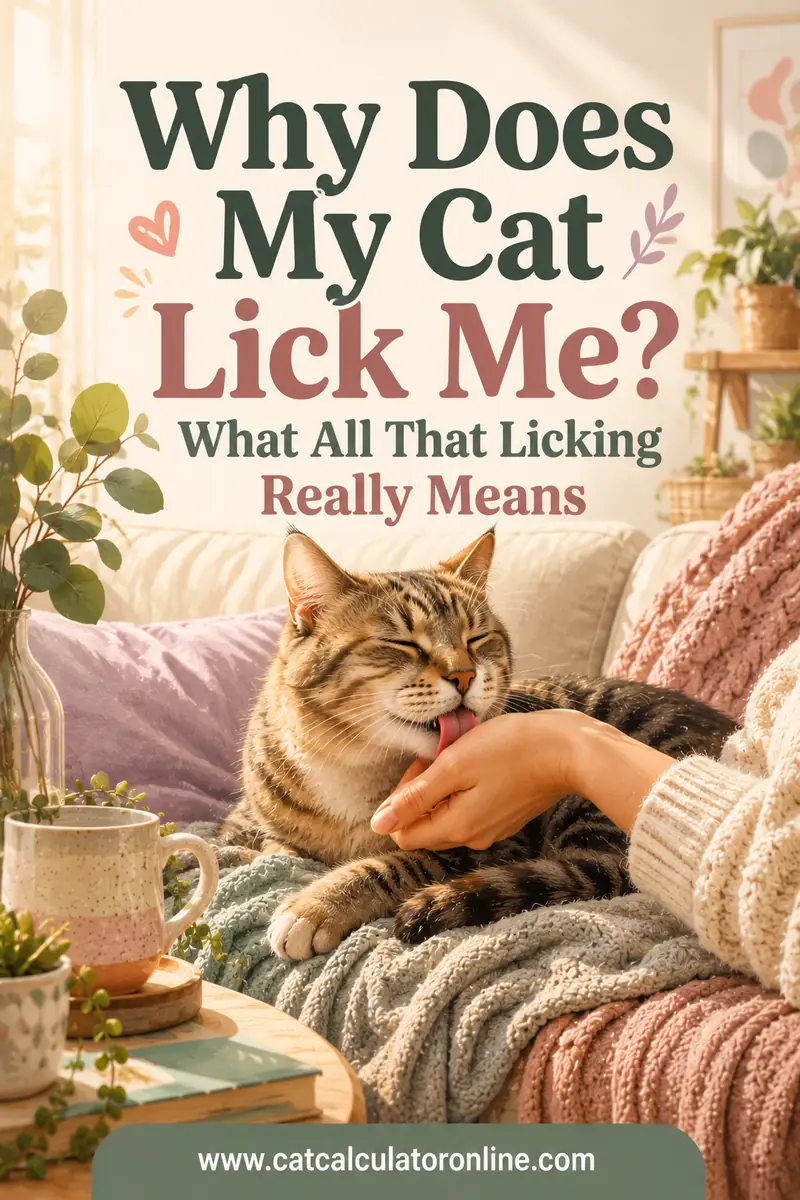
When your cat licks you, she's usually treating you the way she'd treat family. Cats groom each other — a behavior called allogrooming — and they reserve it for individuals they trust and consider part of their social group. So most licking is a compliment: a mix of bonding, scent-sharing, and affection. Sometimes it's also a request for attention, a taste test of the salt on your skin, or a polite "that's enough petting now."
Being on the receiving end of that trust is lovely, even if the tongue itself feels like wet sandpaper. If you're curious what stage of life your little groomer is in — kittens and seniors both lick for slightly different reasons — our free cat age calculator converts her age to human years in one tap.
🐾 Decode the lick
Tap the situation and see what your cat’s tongue is probably telling you:
Tap a situation above to see the most likely meaning.
What Is Allogrooming, and Why Does It Include You?
Allogrooming is the technical name for social grooming — one cat licking another. In feline social life, it's not about hygiene. Cats are perfectly capable of cleaning themselves. Grooming each other is about relationships.
Watch a bonded pair of cats and you'll see it constantly: one washes the other's head, ears, and neck — exactly the spots a cat can't easily reach on her own. It happens between litter-mates, between mothers and kittens, and between adult cats who live together and get along. It does not happen between strangers or rivals.
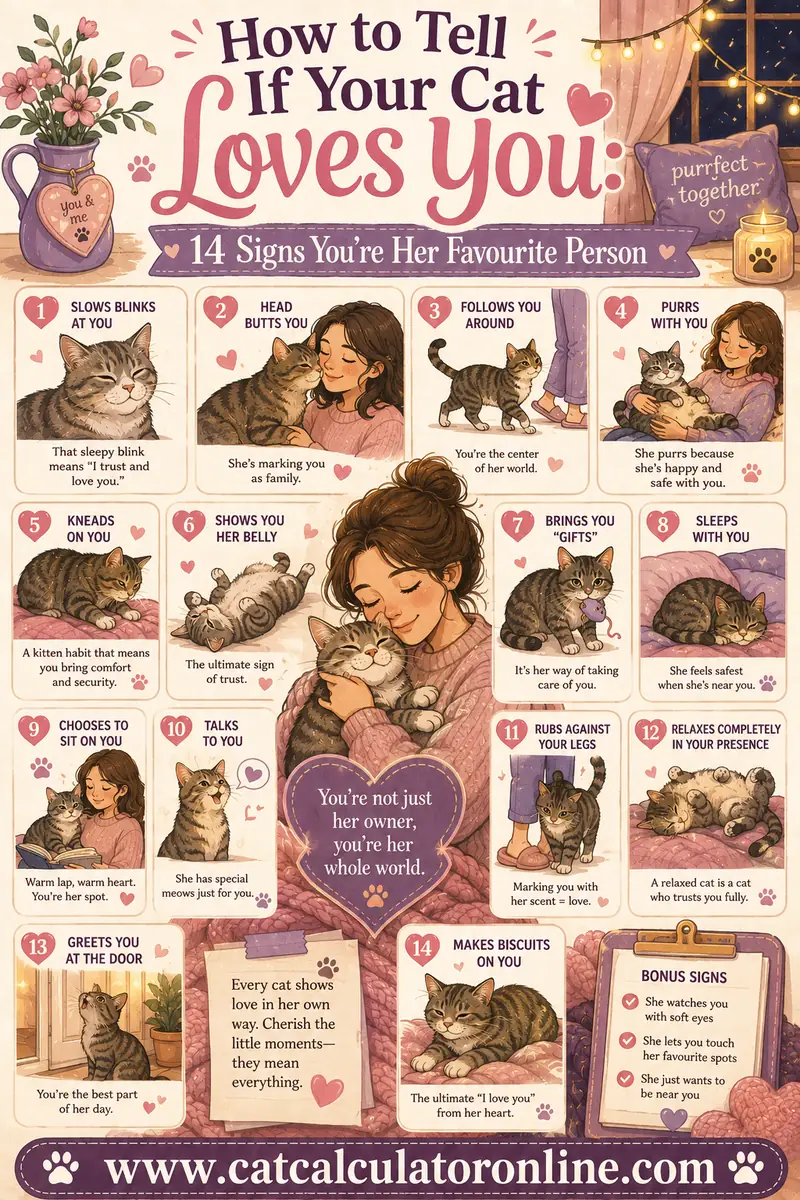
So when your cat licks your hand, your arm, or your hair, she's extending a behavior normally reserved for trusted family members. In her social map, you're in the inner circle. That's the headline answer, and it's a genuinely warm one. If you'd like more signals like this, our guide on how to tell if your cat loves you covers the full set.
Why Does My Cat's Tongue Feel Like Sandpaper?
That rasp isn't your imagination. A cat's tongue is covered in hundreds of tiny backward-facing spines called papillae, made of keratin — the same material as her claws and your fingernails.
Those hooks are brilliant tools. They:
- Comb the coat. The spines work through fur like a fine brush, catching loose hair and debris down to the undercoat.
- Spread saliva for cooling. Cats can't sweat through their skin the way we do. Saliva spread across the coat evaporates and helps regulate temperature.
- Strip meat from bone. In a hunting cat, that rough surface is a practical feeding tool.
On your bare skin, though, there's no fur for the spines to glide through — so you feel every hook. A few licks tickle; a long grooming session on the same patch of skin can genuinely start to hurt. That's normal, and it's fine to gently end the session when you've had enough.
Is Licking a Sign My Cat Loves Me?
Mostly, yes — with the usual feline caveat that context matters.
Licking sits in a cluster of affiliative behaviors: slow blinking, head bunting, cheek rubbing, kneading, sleeping against you, and choosing to be in your space. When licking shows up alongside those, you're looking at a cat expressing comfort and attachment in her native language.
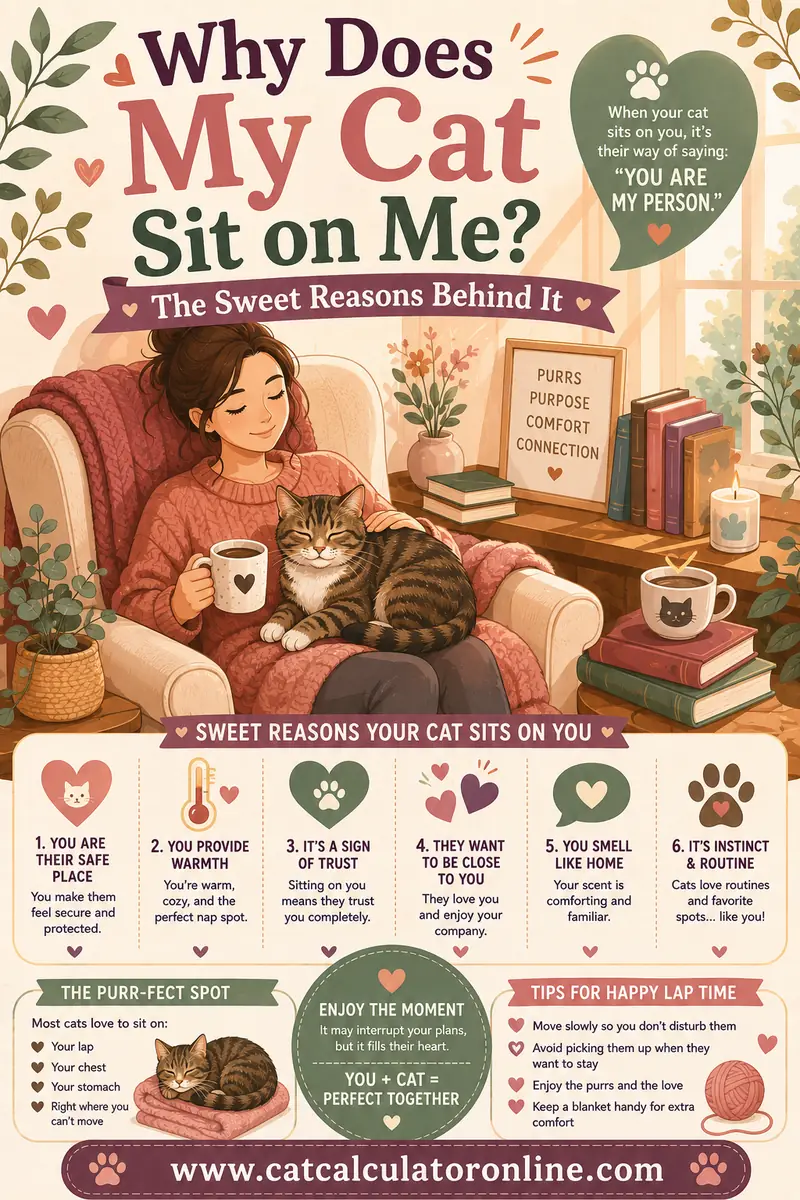
There's also a scent component. Cats build a shared "group scent" by rubbing and grooming the individuals in their family. When your cat licks you, she's mingling her scent with yours — marking you, in the friendliest possible sense, as hers. It's the same instinct behind her rubbing her cheeks on your legs or sitting on you the moment you settle anywhere.
One thing licking is not: random. Cats don't spend grooming effort on individuals they're indifferent to. Even when the immediate trigger is salt or attention, the fact that she's comfortable enough to lick you at all says something about the relationship.
What Are All the Reasons Cats Lick People?
Affection is the big one, but it's not the only one. Here's the full picture, and what to do in each case.
| Why she's licking | What it means | What to do |
|---|---|---|
| Slow grooming licks while relaxed | Allogrooming — you're family | Enjoy it; return the affection with gentle strokes or a slow blink |
| Licks followed by staring or meowing | Attention-seeking — it works on you | Respond with play or petting, but on your schedule, so licking isn't her only tool |
| Licking after you exercise or cook | Taste — salt or food residue on your skin | Nothing needed; wash up if you'd rather she didn't |
| Rhythmic licking, often with kneading or sucking on fabric | Comfort and self-soothing, a kittenhood echo | Fine in moderation; provide a soft blanket she can favor instead |
| A few licks mid-petting, tail starting to twitch | "That's enough" — she's near her limit | Pause the petting; you've been politely warned |
| Constant, driven licking of you or herself | Possible stress, anxiety, or a medical issue | Note when it started and book a vet visit |
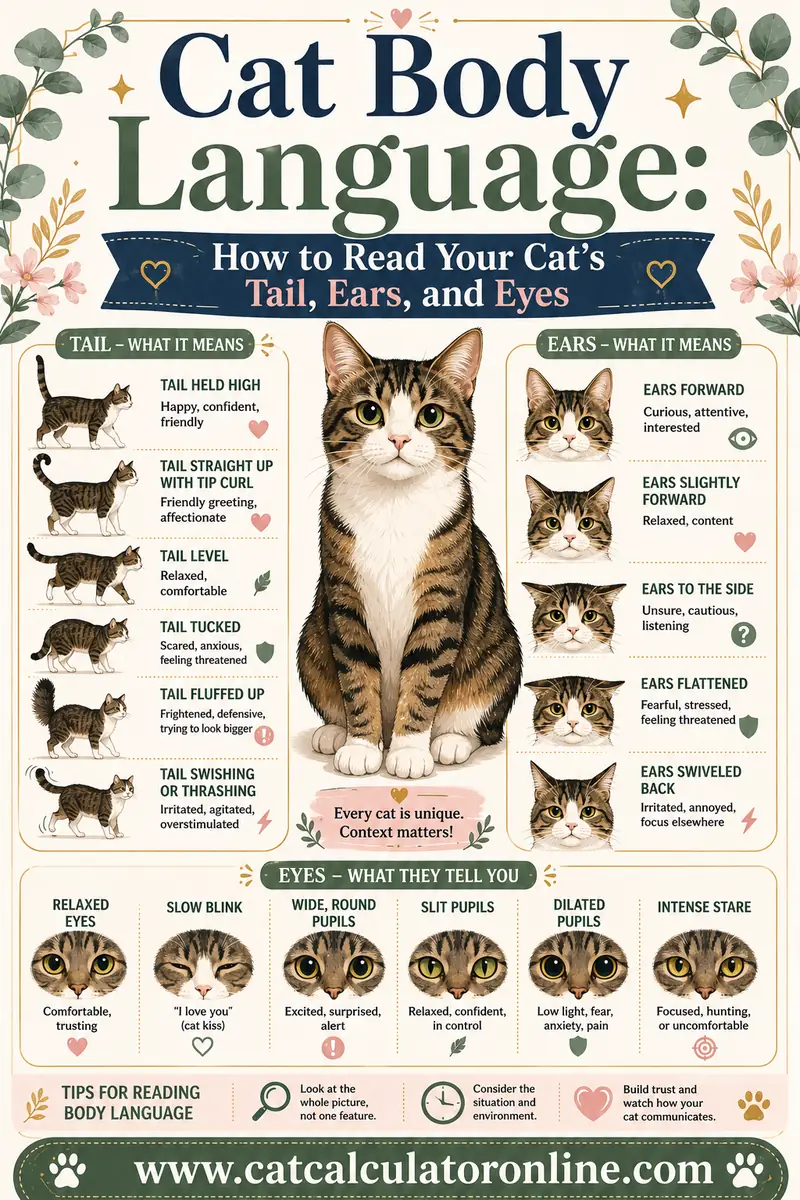
Notice how many of those meanings depend on what the rest of her body is doing. A loose, sleepy cat licking your hand and a tense cat licking obsessively are two different conversations. Our cat body language guide walks through how to read the whole picture.
Why Does My Cat Lick Me and Then Bite Me?
The famous lick-lick-chomp sequence catches a lot of owners off guard. There are two common versions, and they mean different things.
The soft, deliberate nibble. Some cats mix gentle little bites into grooming. Cats do this to each other too — working through fur with teeth as well as tongue. If the bite is slow, controlled, and doesn't hurt, it's usually just part of the grooming package.
The sudden, sharper bite. If the bite comes after a petting session that was going fine, you've most likely hit her over-stimulation threshold. Petting feels good until, quite abruptly, it doesn't — and the lick you got just beforehand may have been her first, politer attempt to say so. Warning signs usually come before the teeth: a twitching tail tip, rippling skin along her back, ears rotating sideways, a body that's gone from loose to tense.
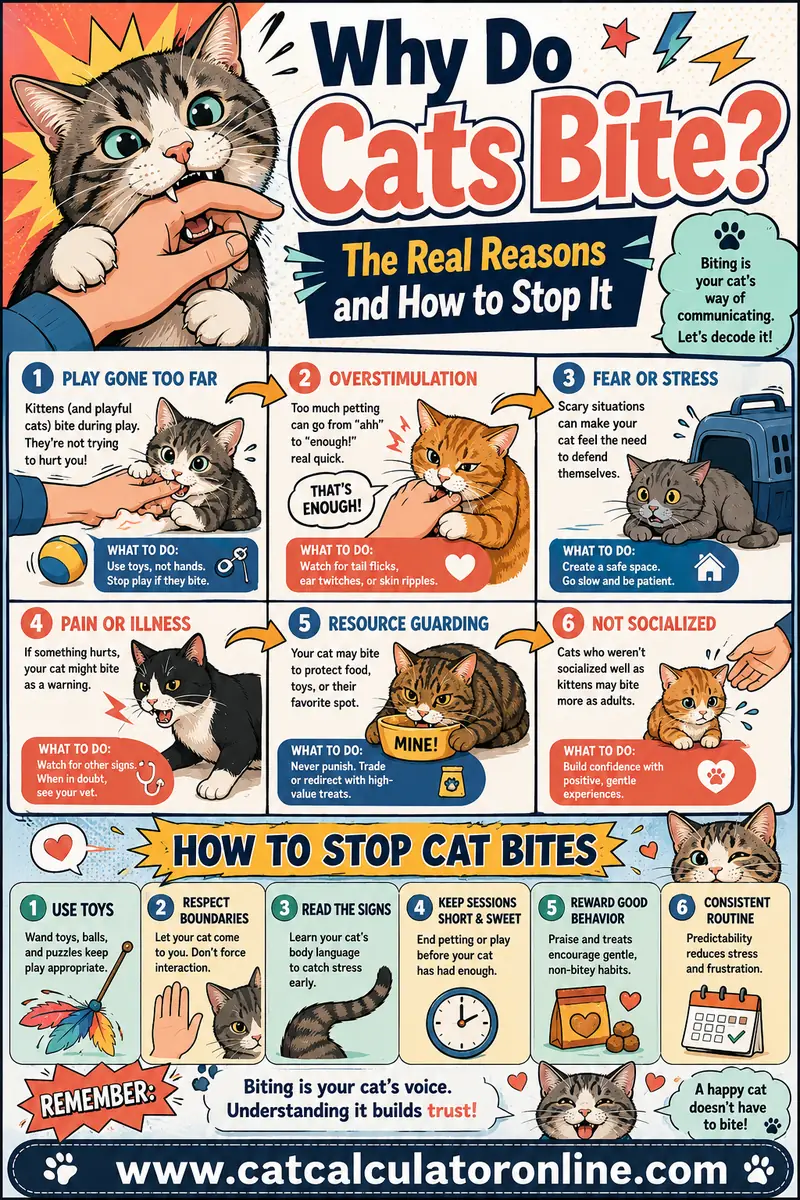
The fix is simply to end sessions before she has to. Learn her limit, watch her tail, and stop while she's still enjoying it. For a deeper look at biting in all its forms, see why do cats bite.
When Should Licking Worry Me?
Ordinary licking is affectionate and harmless. What deserves attention is a change in licking — especially licking that looks driven rather than relaxed.
Talk to your vet if you notice:
- Over-grooming herself. Bald patches, thinning fur (often on the belly, inner legs, or flanks), or skin that's red and irritated. This can signal stress and anxiety, allergies, skin parasites, or pain in the area she keeps working at.
- A sudden new obsession with licking you. If a cat who rarely licked now licks you constantly and can't seem to stop, something has shifted — in her environment, her stress levels, or her health.
- Licking one specific spot on her body over and over. Cats often lick at places that hurt. Persistent attention to one joint, one patch of skin, or the base of the tail is worth a professional look.
- Licking alongside other changes. Less appetite, hiding, litter box changes, or unusual vocalising, combined with new licking behavior, points toward a health issue rather than a quirk. Our guide to signs your cat is sick covers what else to watch for.
None of this means panic over a few extra licks. It means the pattern is the signal: relaxed and occasional is normal, compulsive and new is a message.
How Do I Get My Cat to Stop Licking Me (Without Hurting Her Feelings)?
Maybe the sandpaper tongue is too much, or she's decided 5am is grooming hour. You can absolutely reduce the licking — the key is redirection, never punishment.
Don't punish it. Shouting, spraying water, or shoving her away punishes your cat for a friendly, social behavior. At best it confuses her; at worst it teaches her that approaching you is risky, which damages exactly the bond the licking was expressing.
Instead, try this:
- Move, calmly. When the licking starts, gently withdraw the arm or hand and stand up if needed. No drama, no scolding — just make licking quietly unrewarding.
- Redirect to something better. Offer a toy, start a short play session, or give her a food puzzle. You're replacing the behavior, not rejecting the cat.
- Pre-empt the pattern. If she licks for attention at predictable times, get ahead of it: a play session before her usual licking window burns the energy and fills the attention tank first.
- Give the affection another outlet. Cats that groom people often love being brushed. A grooming session where you do the grooming scratches the same social itch.
- Be consistent. If licking sometimes earns cuddles and sometimes earns being pushed away, she'll keep trying. Pick a response and stick to it.
Most cats adjust within a couple of weeks. And honestly? Many owners find that once they know what the licking means, they mind it a lot less.
FAQ
Why does my cat lick me then look at me?
That's usually attention-seeking with a progress check. She licks, then looks to see whether it worked. If you consistently respond — even by talking to her — she'll keep the strategy. It's harmless, and a little flattering.
Why does my cat lick my hair?
Head and neck grooming is prime allogrooming territory between bonded cats, and mother cats wash their kittens' heads constantly. Licking your hair is your cat applying full family grooming rules to you. Some cats are also drawn to the scent of shampoos, so a new product can trigger extra interest.
Is it safe to let my cat lick me?
For most healthy adults, an occasional lick on intact skin is low-risk. It's sensible not to let cats lick open wounds, broken skin, or your face, and people with weakened immune systems should be more cautious. Basic hand-washing covers the rest.
Why does my cat lick me but not my partner?
Grooming is selective — cats direct it at the individuals they're most bonded to, and sometimes just at one favorite. It can reflect who feeds her, whose scent she prefers, or early positive associations. It doesn't mean she dislikes your partner; affection may just flow through different channels there, like lap-sitting or play.
Why does my cat lick herself right after I pet her?
Two ordinary reasons: she's smoothing fur your hand disturbed, and she may be "tasting" your scent as she processes it. Occasional post-petting grooming is completely normal. It generally isn't an insult — think of it as filing the interaction, not deleting it.
Do cats lick to show dominance?
Grooming between cats does sometimes map onto social dynamics, and research on which cat grooms which is genuinely mixed. With humans, though, there's no good reason to read licking as a power move. Trust, attention, taste, and comfort explain nearly all of it.
The Bottom Line
A cat that licks you is treating you like family — grooming you the way she'd groom a trusted companion, blending her scent with yours, and occasionally using that rough little tongue to ask for attention, taste your skin, or tell you petting hour is over. It's one of the clearer compliments a cat can pay. Watch the context, take sudden changes or obsessive licking to your vet, and redirect gently if it's more affection than your skin can take.
Want to know more about the cat behind the tongue? Try our free cat age calculator to see her age in human years, then check how to tell if your cat loves you for the rest of her love language.