Why Does My Cat Headbutt Me?
Most answers stop at "she loves you", which is true but misses the interesting part. That deliberate press of the forehead against your shin or your chin has a name — bunting — and it is scent marking. Cats have scent glands in the skin of the forehead, cheeks, chin and lips, and when your cat bunts you she is depositing her own scent onto you and taking some of yours back. In cat terms she is labeling you as part of her safe, familiar territory: not a stranger, not a threat, part of the furniture in the best possible sense. That is a much more specific compliment than affection. Curious how old the cat doing it is in human terms? The free cat age calculator tells you in a tap.
What Bunting Actually Is
The word comes from the head-first shoving motion, and once you know what it does, the behavior reads completely differently.
It is a scent transfer, in both directions. She leaves her scent on you and picks up yours. The result is a shared smell — what behaviorists call a colony or group odor.
Cats identify by smell before sight. A cat who has been at the vet for a day often comes home smelling wrong and gets hissed at by her housemates. Bunting is the maintenance work that stops that happening.
It is done to things she likes. Cats bunt people, other cats they get along with, dogs they tolerate, and their favorite corners. They do not bunt things they are afraid of.
It is voluntary and deliberate. A cat has to choose to make head contact, and she does it with her most vulnerable end. That is the part worth appreciating.
It is not the same as spraying. Facial marking is the friendly kind of marking, associated with calm and security. Urine marking is the anxious kind.
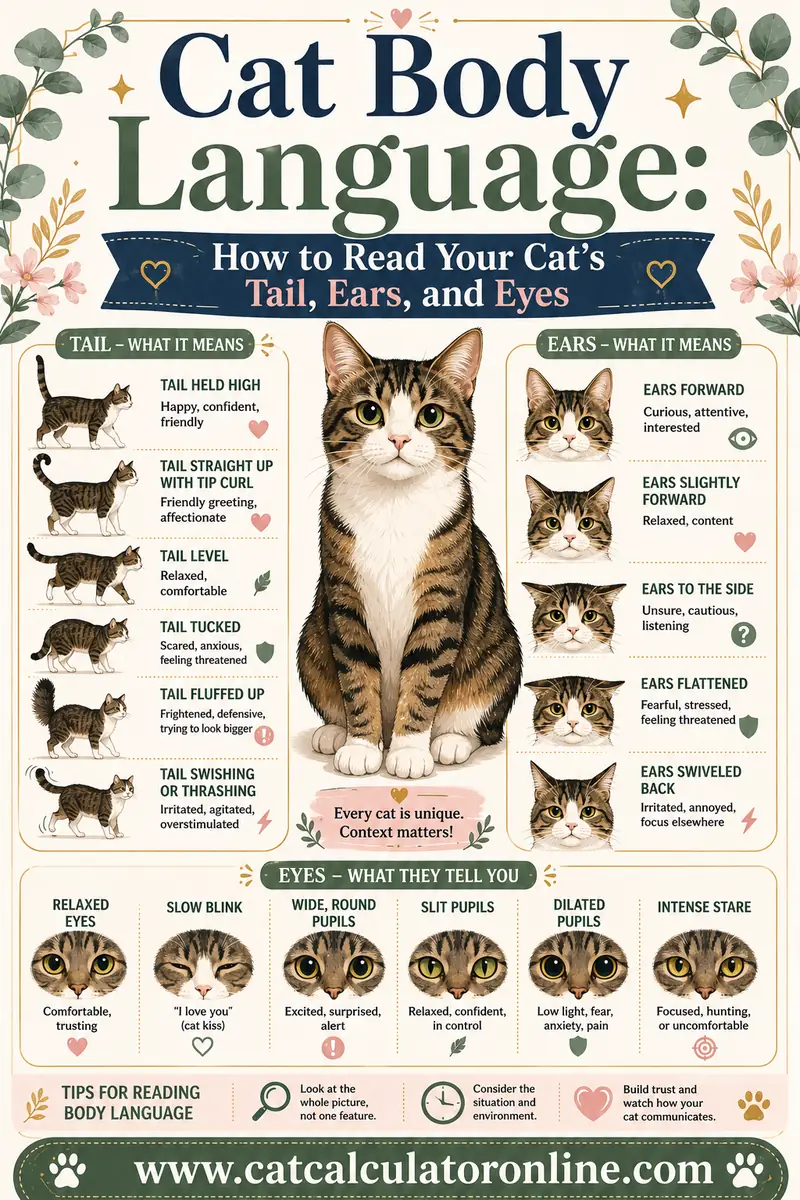
And it usually comes with the rest of the greeting — a tail held up with a small hook at the tip, a trill, and a slow blink. The full vocabulary is in cat body language.
The Glands: Where the Scent Comes From
Cats have scent glands scattered across the body, and the head carries the friendly ones.
| Gland location | Behavior you see | What it signals |
|---|---|---|
| Forehead and temples | Bunting, head pressing into your hand | Familiarity, group identity |
| Cheeks | Cheek rubbing on hands, corners, door frames | The strongest marking, used most often |
| Chin and lips | Chin rubbing on hard edges and new objects | Claiming and checking new items |
| Base of the ears | Rubbing the side of the head against you | Part of the same greeting sequence |
| Base of the tail | Tail wrapping, raised rear when stroked | Close-contact greeting between friendly cats |
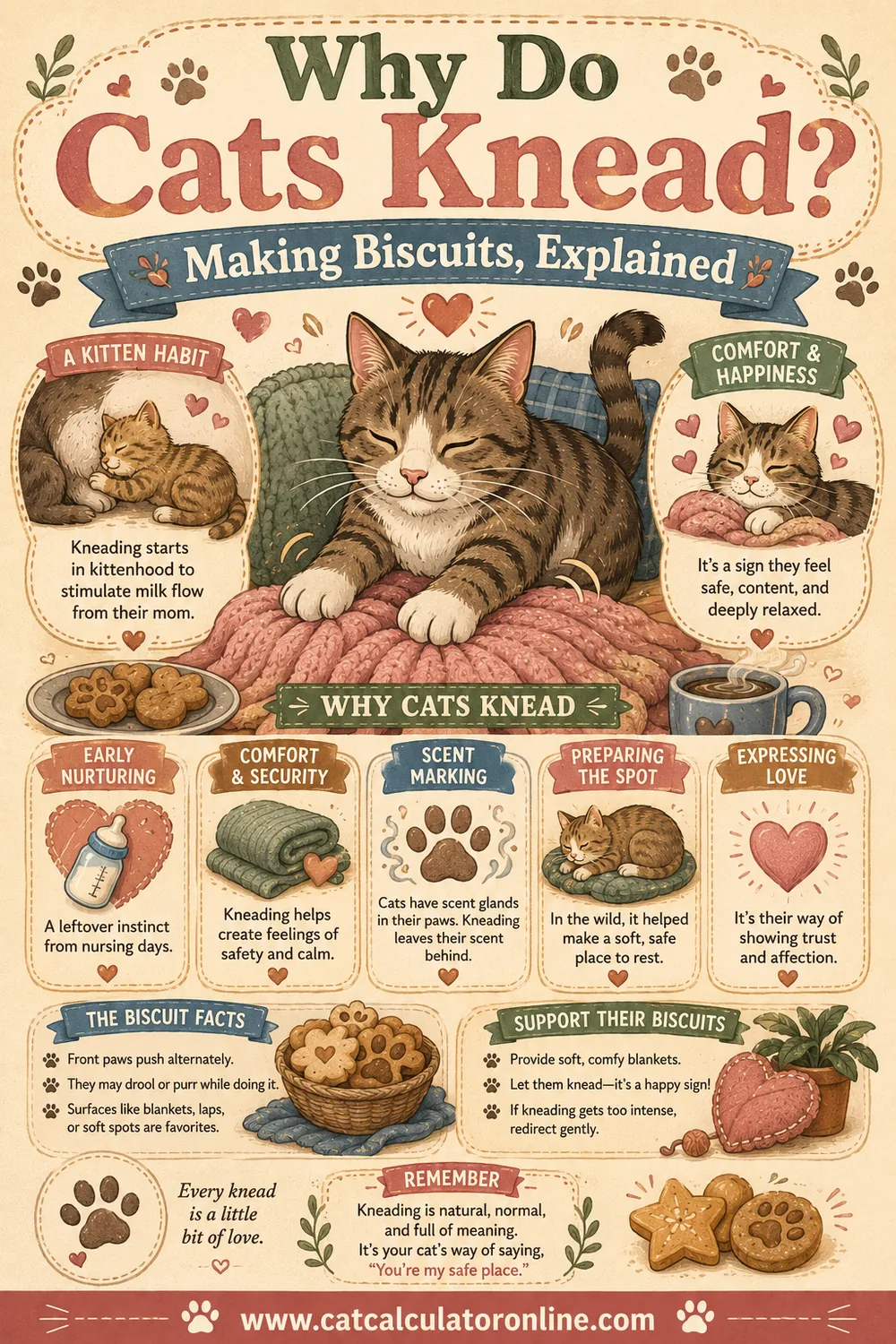
| Paw pads | Kneading and scratching | Marking with scent plus a visual signal |
Cheek glands do most of the work. That is why cats rub the corner of a table with the side of the face, and why they love being scratched exactly there.
The scents are not detectable to us. You will never smell it, which is why the behavior looks like pure affection from our side.
Cats read them with a second system. The vomeronasal organ in the roof of the mouth analyzes scent, which is what produces that odd open-mouthed grimace after sniffing something interesting.
Marking is calming for the cat. A cat who has covered her environment in her own scent is a settled cat, which is the whole idea behind synthetic facial pheromone diffusers.
Kneading marks with the paws in the same way. It is a separate behavior with a nursing origin, explained in why cats knead.
Why It Is a Compliment, and a Specific One
Affection is the right emotional read. It is just not the precise one.
She is including you in her group. Cats living together create a shared scent by rubbing on each other. Bunting you does the same job, which means you are being treated as one of the cats.
It requires trust. A cat's head is her most vulnerable part, and approaching a large animal face-first is not something a wary cat does.
It signals she feels safe. Bunting is a low-arousal, calm behavior. Frightened cats do not do it.
It is often reserved for one or two people. Cats build individual relationships, and it is common for one household member to get all the head bumps.
It says something about her, too. Confident, well-socialized cats bunt more, which is why a rescue cat's first headbutt is such a milestone.
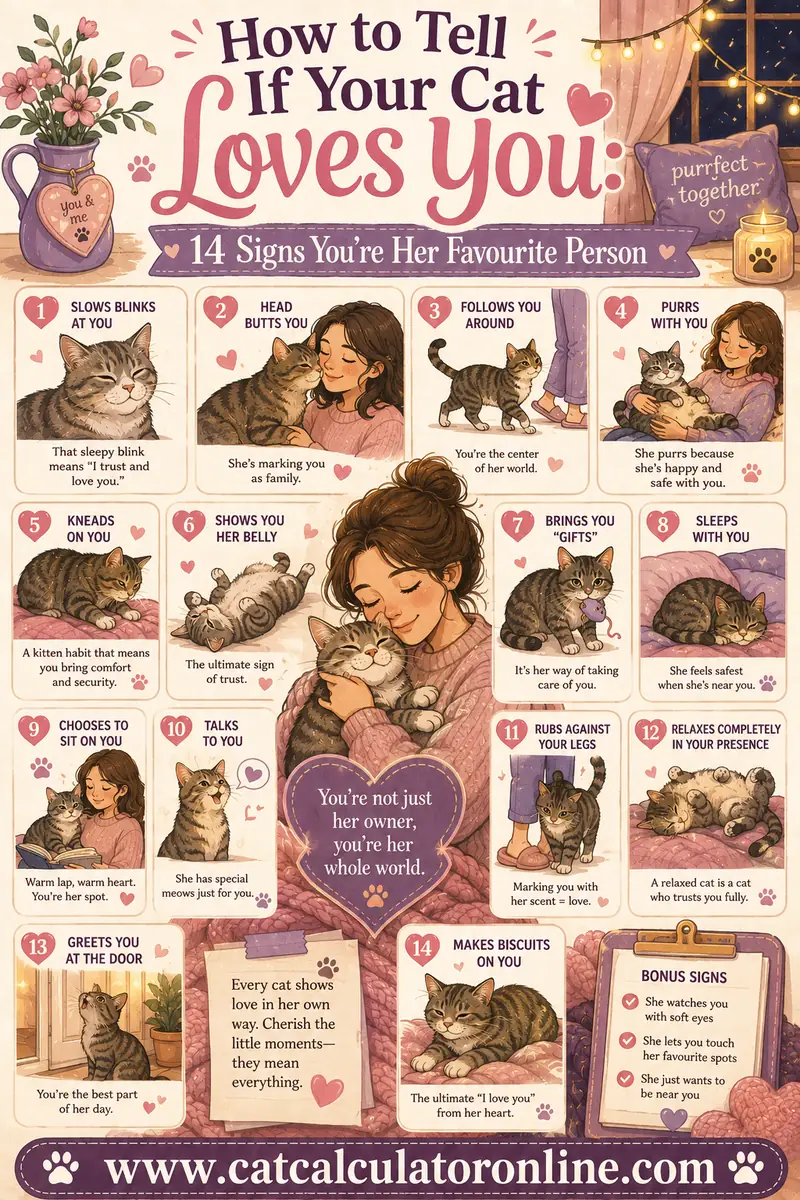
It is one of the clearest signals there is. Along with the slow blink and sleeping against you, it appears in nearly every list of signs your cat loves you.
Headbutt, Cheek Rub and Head Press Are Not the Same
This distinction is genuinely worth knowing, because one of the three is a veterinary emergency.
A headbutt is brief and repeated. A firm press, a small shove, sometimes several in a row, then she moves on or asks for a stroke.
A cheek rub is a slide. She turns her head sideways and drags her cheek along your hand or the furniture, often working down the whole length of your leg.
Head pressing is neither. It is a cat standing still with the top of her head held against a wall, a floor or a piece of furniture, for minutes at a time, often looking blank or distressed and repeating it.
Head pressing is a neurological sign. It can be associated with liver problems, high blood pressure, poisoning, brain disease or infections, and it needs a vet the same day. It is not affection, and it is not a quirk.
The difference is context and duration. Bunting is social, brief and directed at you or at a favorite object. Head pressing is solitary, sustained and directed at nothing.
If you are unsure, film it. Thirty seconds of video answers the question for your vet immediately.
Why She Bunts Some People and Not Others
Cats are startlingly consistent about this, and it is rarely about the person's feelings toward cats.
Movement style matters most. Slow, quiet, predictable people get bunted. People who move fast and speak loudly get avoided, however much they like cats.
Height and approach matter. Crouching down and offering a finger at nose height invites the greeting. Reaching over the top of a cat suppresses it.
Scent counts. Someone who lives with a dog, or wears a strong perfume, reads as unfamiliar territory.
She may bunt the person who ignores her. Cats often approach the one guest who is not looking at them, because a direct stare is a mild threat in cat terms.
Early socialization is a real factor. Kittens handled by several different people between two and seven weeks generally grow into adults who greet strangers.
It can shift over time. A cat who bunts only one person often widens the circle after a few months of calm, unforced coexistence.
When Headbutting Comes With a Request Attached
Not every head bump is pure sentiment, and pretending otherwise leads to a cat who has trained you.
Location tells you a lot. Bunting at the food cabinet at 6am is marking with an agenda. Bunting on the sofa at 9pm usually is not.
Watch what follows. If she bunts, then walks two steps toward the bowl and looks back, that is a request.
Vocalising alongside it is a clue. Head bump plus insistent meowing is a demand pattern, and it strengthens every time it works.
That does not make it insincere. She is still marking you. She has simply learned that doing so at the right moment produces breakfast.
Feed on a schedule if it is getting out of hand, and give affection at times you choose rather than only when asked. Never withhold or delay a meal to make a point — cats develop serious liver problems within a couple of days without food.
Some cats escalate to the face at 5am. A closed bedroom door and a timed feeder solve more of this than any amount of training.
Should You Headbutt Back?
People ask this constantly, and the answer is a qualified yes.
Gentle forehead-to-forehead contact is well received by many cats, particularly ones who initiate it themselves. Go slowly, let her make the final movement, and stop if she pulls away.
Better still, use your hand. Offer a loose fist or a finger at her nose height and let her rub against it. This is the same interaction on her terms.
Scratch where the glands are. Cheeks, under the chin, the base of the ears and along the jawline are where most cats want to be touched.
Avoid the belly and the base of the tail unless you know she likes it. Those are common overstimulation triggers even in affectionate cats.
Watch for the stop signal. Tail flicking, skin twitching along the back, or ears rotating backwards means the interaction has run out. Ending it there prevents the bite that would otherwise follow.
Let her set the frequency. Cats that get to control contact ask for far more of it — the same principle behind why cats choose particular laps, covered in why your cat sits on you.
When a Change in Bunting Matters
Behavior that stops is often more informative than behavior that starts.
A cat who suddenly stops greeting you is worth noticing. Withdrawal from social contact is one of the earliest and vaguest signs that a cat feels unwell.
Pain around the head or mouth changes it fast. Dental disease, ear infections and eye problems all make face contact unpleasant, so a cat who used to bunt and now flinches should have her mouth and ears checked.
Sudden, frantic rubbing is different again. Repeated face rubbing with scratching, head shaking or ear discharge suggests irritation rather than greeting.
A big increase in marking can mean stress. New cat, new baby, building work, a move — cats respond by refreshing their scent everywhere, including on you.
Call your vet if face rubbing comes with head shaking, discharge, a smell from the ears or mouth, squinting, or a lump on the face — and the same day if you see true head pressing, circling, or a change in balance.
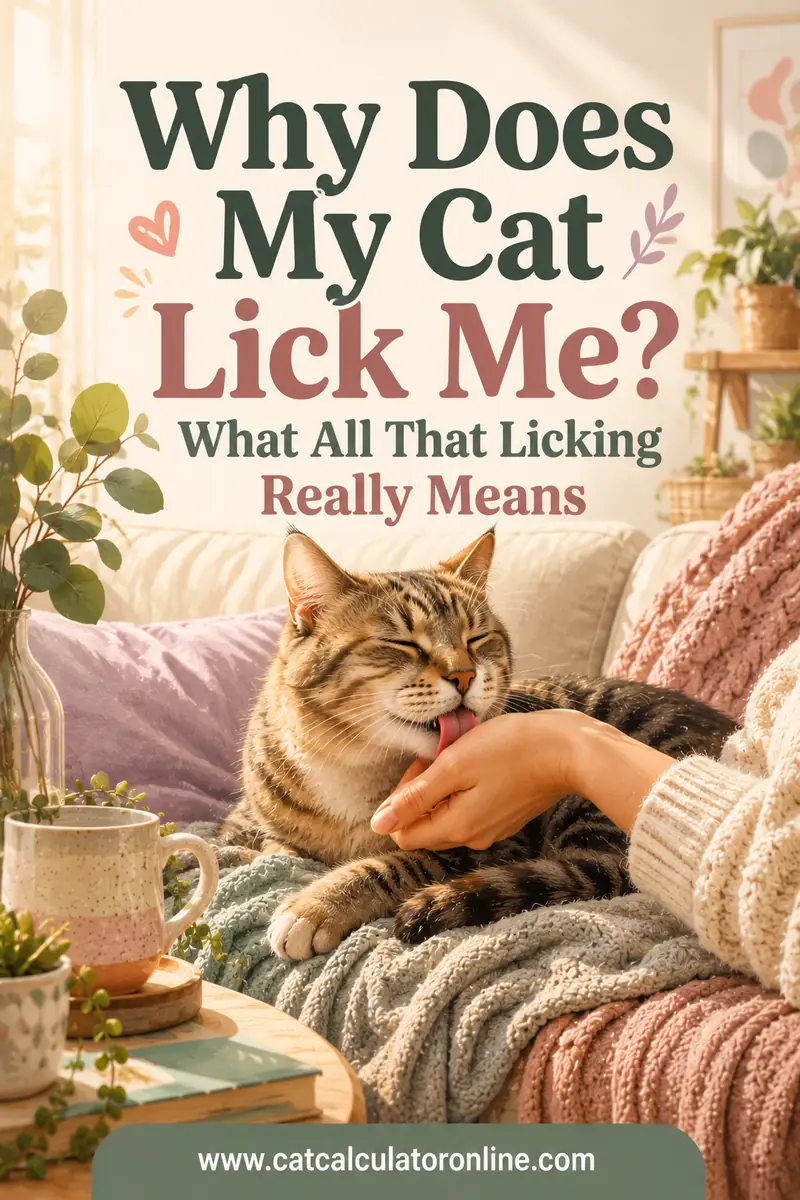
Do not try to work out the cause yourself. The list of other early warning signs is in signs your cat is sick, and grooming or licking changes are covered in why your cat licks you.
Frequently Asked Questions
What does it mean when a cat headbutts you?
Headbutting, properly called bunting, is scent marking. Cats have scent glands on the forehead, cheeks, chin and lips, and pressing them against you transfers her scent onto you. She is marking you as familiar, safe territory and part of her social group, which is why it only happens with people she trusts.
Is headbutting a sign of affection?
Yes, though the mechanism is scent marking rather than a hug. Cats bunt people, cats and objects they feel comfortable with, and never things that frighten them. It requires a cat to approach head-first with her most vulnerable part, so it is a genuine signal of trust and social acceptance.
Why does my cat headbutt me then bite me?
Usually overstimulation. Bunting invites contact, but a cat's tolerance for petting runs out faster than most people expect. Watch for the warning signs first — tail flicking, a ripple of skin along the back, ears rotating backwards — and stop stroking at that point rather than after the bite.
Should I headbutt my cat back?
Gently, yes, if she initiates it. Move slowly and let her make the final contact. Offering a loose fist or a finger at her nose height is usually better received, because it gives her control of the interaction and does not put a large face suddenly close to hers.
Why does my cat headbutt my face when I am asleep?
Your face carries strong personal scent and is at cat height when you are lying down, so it is the obvious target for marking. It also works as a way to wake you, which means it tends to get repeated. A timed feeder and a closed door are the practical fixes.
Is head pressing the same as headbutting?
No, and the difference matters. Head pressing is standing with the top of the head held against a wall or floor for long periods, usually alone and with a blank expression. It is a neurological sign linked to serious conditions and needs a vet the same day, unlike normal brief, social bunting.
Your cat is not just saying hello when she presses her forehead into your hand. She is running a scent marker over you with glands you cannot smell, adding you to the shared odor of her household and confirming that you belong in it. That is why bunting only ever happens with people a cat trusts, why it clusters around one or two favorites, and why its sudden disappearance is worth a second look. Learn the difference between a brief social headbutt and true head pressing against a wall — the second one is a same-day vet call. And if you want to know how old the cat currently reorganizing your face actually is in human terms, the free cat age calculator will tell you.