Why Do Cats Knead? Making Biscuits, Explained
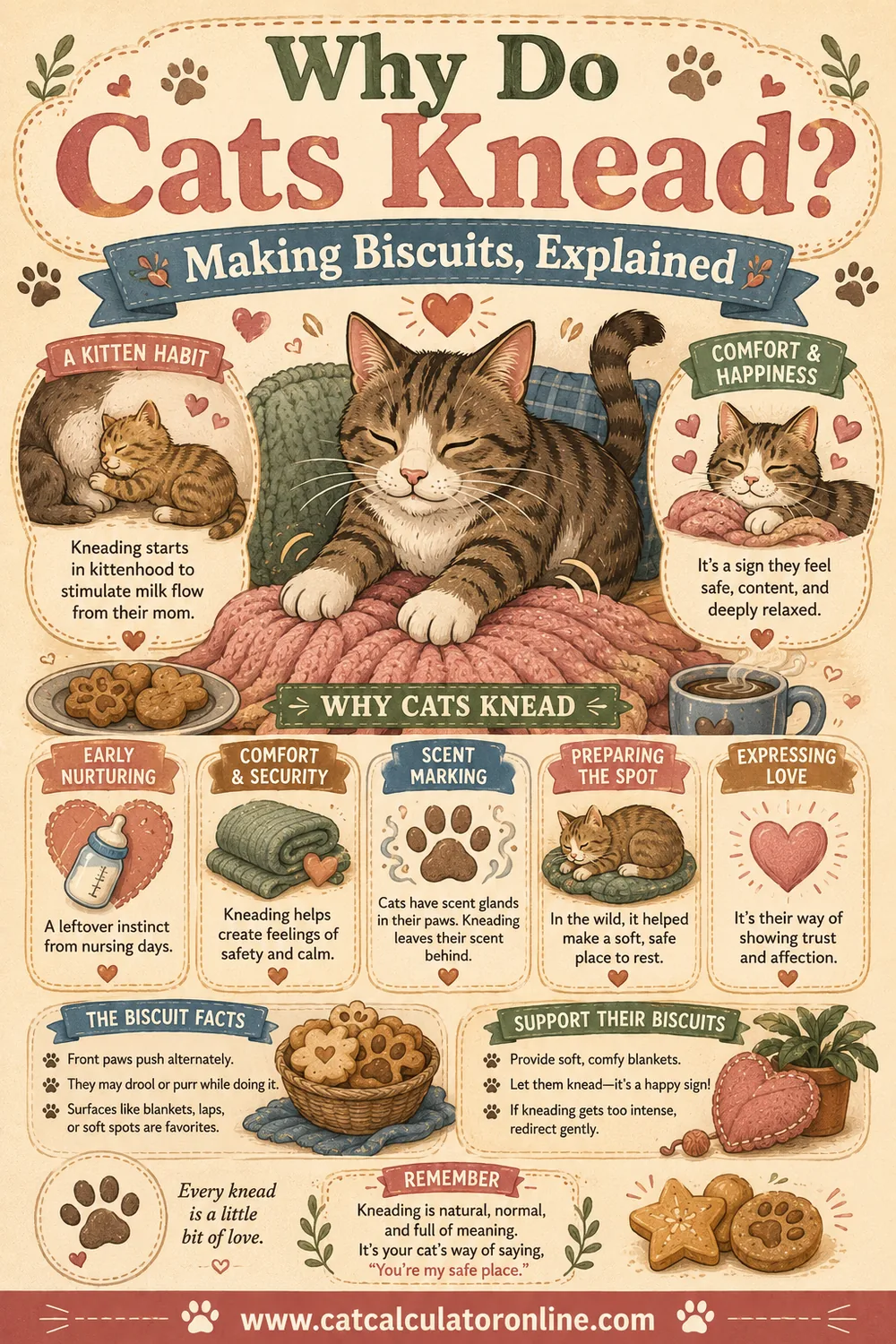
Cats knead — pushing their front paws rhythmically into a soft surface, often called "making biscuits" — because the motion is rooted in the nursing reflex. Kittens knead their mother's belly to stimulate milk flow, and adult cats keep doing it when they feel content and safe. It also serves two practical purposes: scent-marking through glands in their paw pads, and flattening a comfortable spot to lie down in.
In short, a kneading cat is a happy, settled cat. If you want to know how old that biscuit-maker is in human terms, our free cat age calculator does the conversion in a couple of seconds.
🐾 Decode the biscuit-making
Tap where your cat kneads and see what’s behind it:
Tap a spot above to see what the kneading means.
It Starts With Nursing
Newborn kittens can't see, can't walk properly, and have exactly one job: get milk.
They do it by pushing their front paws alternately into their mother's belly while they nurse. The pressure helps stimulate milk letdown. Every kitten in the litter does it, from the first day, without being taught — it's wired in.
That's the origin of every biscuit your adult cat has ever made. The motion got permanently linked to the best feelings a kitten ever has: warmth, a full stomach, safety, and mum. Years later, when a cat feels those same things, the old motor pattern surfaces.
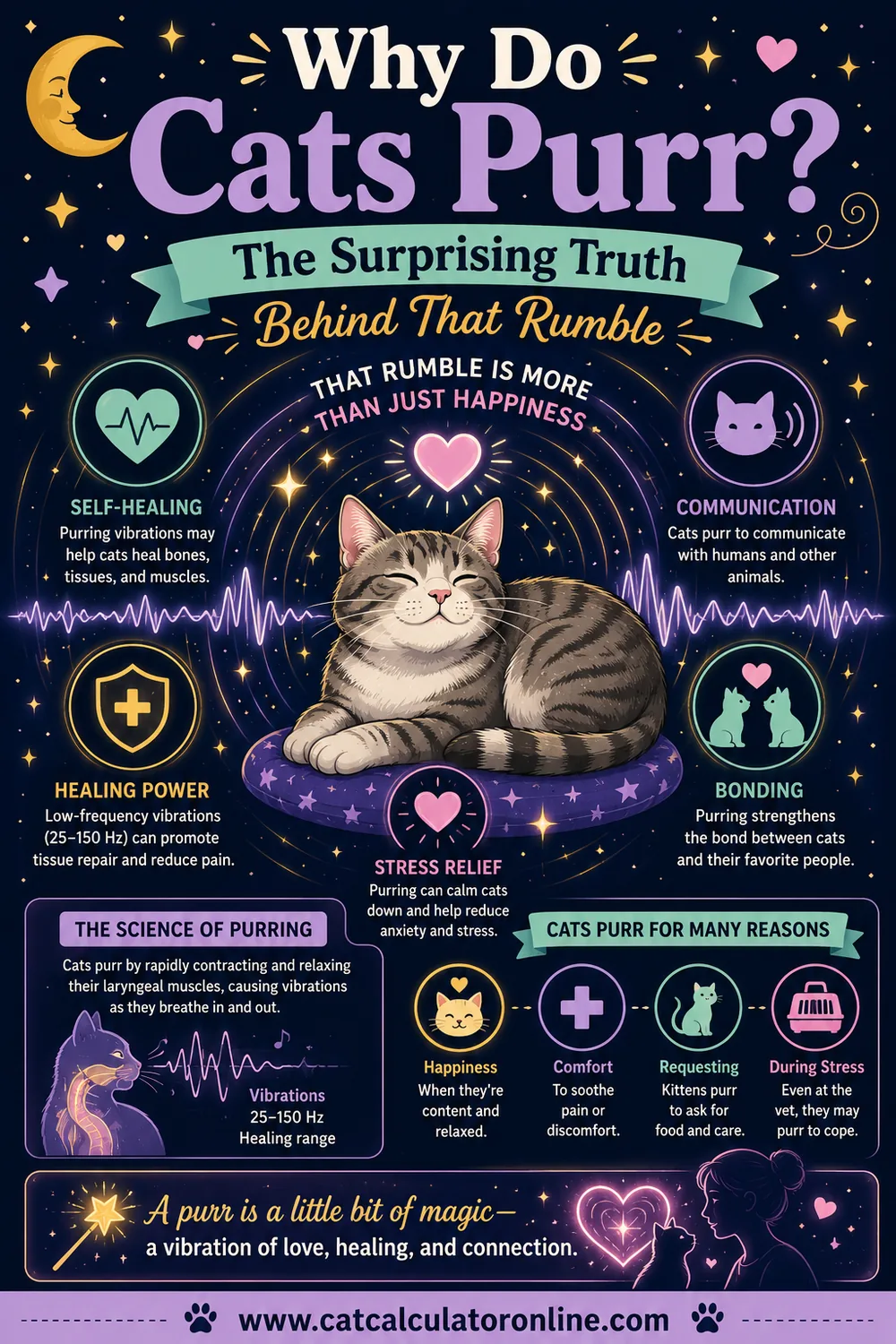
This is also why kneading so often arrives as a package deal with purring, half-closed eyes, and sometimes drooling. The whole cluster is nursing behavior returning in a grown-up body. If you're curious about the purring half of that combination, we cover it in why do cats purr.
Their Paws Are Scent Dispensers
Here's the part that makes kneading feel a lot less random: cats have scent glands in their paw pads.
When your cat kneads, she's pressing those glands into whatever she's kneading and leaving her signature behind. It's the same reason cats rub their cheeks on doorframes and table legs — cats organize their world by smell, and marking something means claiming it as part of their safe territory.
So when your cat kneads your lap, she is very literally labeling you as hers. You can't smell it. Every other cat could.
This also explains a few things owners find puzzling:
- She kneads the same blanket every time. It already smells like her, and topping it up reinforces the message.
- She kneads harder after you've been away. New smells came home with you. She's restoring the scent balance.
- A new cat in the house triggers more kneading. More territorial marking generally.
The Nest-Flattening Theory
There's a third layer, and it's an old one. Wild cats — and cats living rough today — tread down grass, leaves, and loose ground before lying on it. It flattens the surface, checks for anything hidden underneath, and makes a shallow dip that holds body heat.
Your cat has a heated flat and a memory-foam cat bed. She does not need to flatten anything. She does it anyway, because instincts don't check whether they're still necessary.
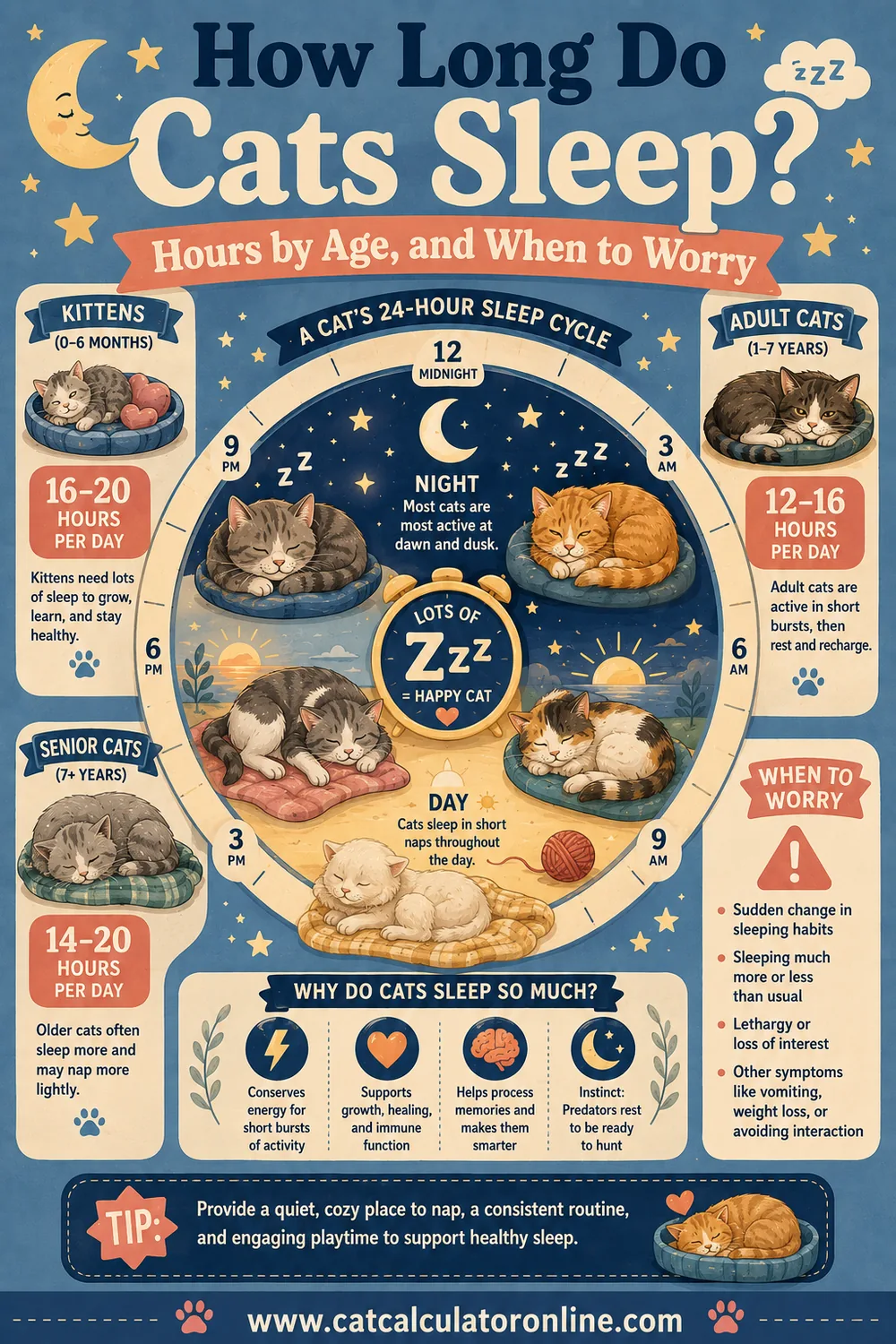
That's why kneading so often happens immediately before a nap. Watch closely next time: knead, knead, turn in a circle, knead once more, collapse. It's a going-to-bed routine inherited from ancestors who genuinely needed it. Given cats sleep 12 to 16 hours a day, you get plenty of chances to observe it.
What Kneading Means, Situation by Situation
| Situation | Most likely meaning |
|---|---|
| Kneading your lap, purring | Contentment, bonding, scent-marking you |
| Kneading a blanket before lying down | Nest-making, settling in for a nap |
| Kneading with drooling | Deep relaxation, nursing memory resurfacing |
| Kneading a soft jumper or fleece | Texture close to mother's fur triggers the reflex |
| Kneading another cat | Social bonding between cats who get on |
| Kneading you when you first sit down | Greeting plus a request for attention |
| Sudden intense kneading in an unspayed female | Can accompany a heat cycle |
| Kneading a new bed or cushion | Claiming unfamiliar territory as hers |
Almost every row is a positive signal. Kneading is one of the few cat behaviors that's fairly reliably good news.
Why She Does It On You
Of all the soft things in your home, you get chosen a lot. There are good reasons.
- You're warm. A human lap runs about the same temperature as a mother cat's belly.
- You're soft but with structure underneath. Ideal kneading resistance, honestly.
- You're a source of food and safety. You've filled the role her mother once did, and the behavior follows the role.
- You already smell familiar. Reinforcing your scent is worth doing.
- You react. You stay still, you go quiet, you pet her. She's learned that kneading you produces a good outcome.
There's no downside reading here. A cat who kneads you trusts you enough to become a kitten in front of you, and cats are not casual about who they let their guard down around.
Yes, About the Claws
The one real complaint. Kneading claws are not malicious — most cats extend and retract naturally as part of the motion and have no idea it hurts. Here's what actually helps, and what doesn't.
What works
- Trim her front claws regularly. Just the sharp translucent tip, avoiding the pink quick inside. Every couple of weeks keeps things blunt. If you've never done it, ask your vet or a groomer to demo once.
- Keep a dedicated blanket nearby. A thick folded throw across your lap absorbs claws completely. Many cats will accept it as their kneading spot within days.
- Give her a better surface. A thick fleece bed or a wool-ish cushion in her favorite napping place often draws the behavior away from you.
- Lift her gently onto the blanket when she starts. Consistency does the teaching, not correction.
- Keep scratching posts available. Regular scratching wears claws down naturally, which softens the kneading damage.
What doesn't work
- Punishing or shouting. Kneading is a comfort behavior. Punishing it teaches your cat that relaxing near you leads to something unpleasant, which damages trust and fixes nothing.
- Pushing her off every time. Same problem, plus you'll spend your life pushing her off.
- Declawing. It's an amputation of the last bone of each toe, banned or heavily restricted in many countries, and it can cause lasting pain and behavior problems. Never the answer to kneading.
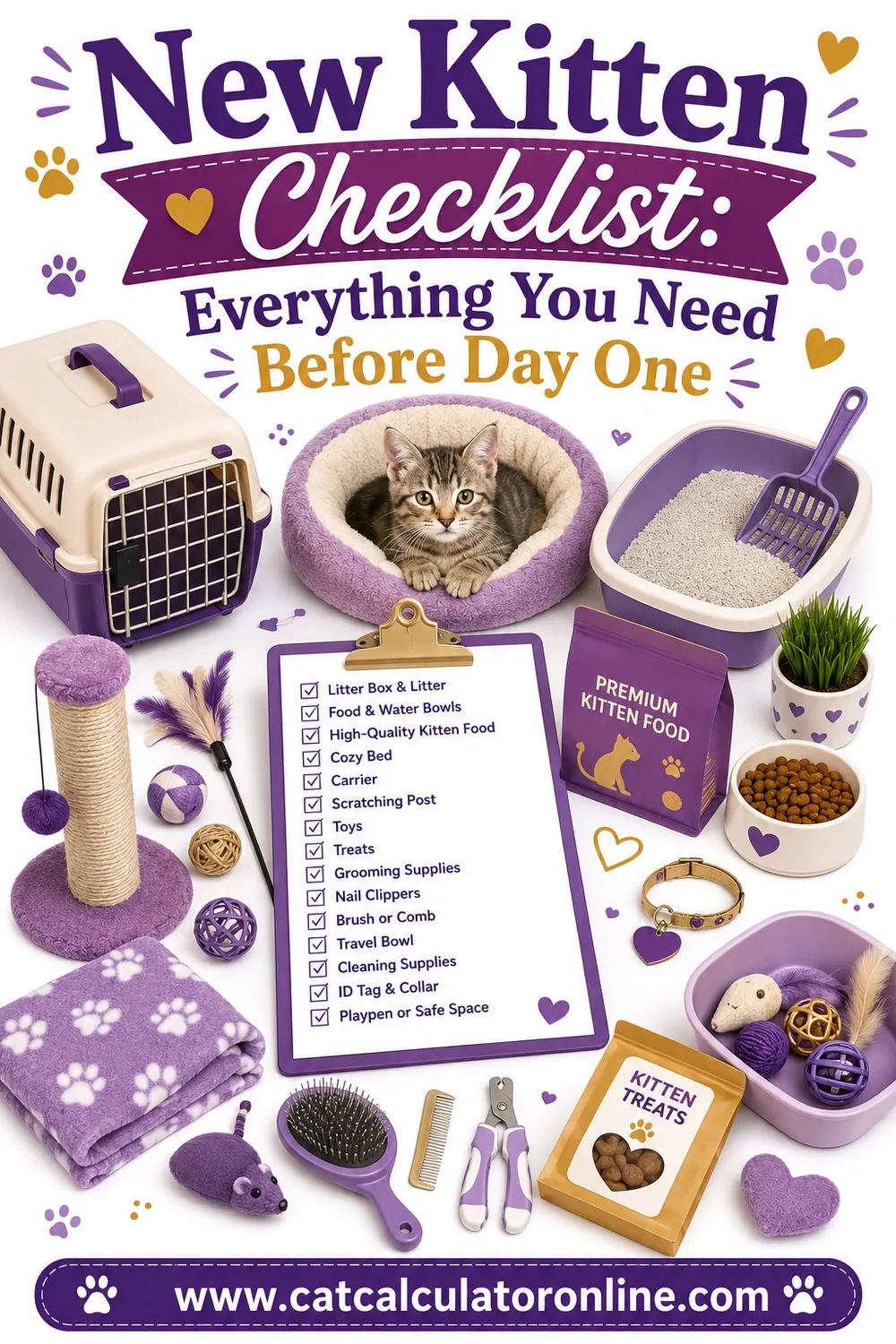
Setting a kitten up with the right surfaces early makes all of this easier — our new kitten checklist covers the beds and scratching gear worth having from day one.
Does Kneading Change With Age?
A little, and it's worth knowing what's normal so you don't misread a shift.
Kittens knead constantly, and often clumsily. A kitten separated from her mother slightly early may knead more than most, sometimes paired with suckling on blankets or on your jumper. That usually fades as she matures, and it isn't a sign anything went wrong.
Young adults tend to knead in short, purposeful bursts — a few seconds of biscuits before dropping into a nap. This is the most common pattern you'll see in a cat between one and six years old.
Mature and senior cats often knead less, and it's usually mechanical rather than emotional. Stiff wrists and sore joints make the pushing motion less appealing. Arthritis is far more common in older cats than most owners realize, and it rarely announces itself with obvious limping — it shows up as small withdrawals from things she used to do. A cat who quietly stops kneading, stops jumping onto the counter, or starts using a chair as a halfway step to the windowsill is worth mentioning at her next checkup.
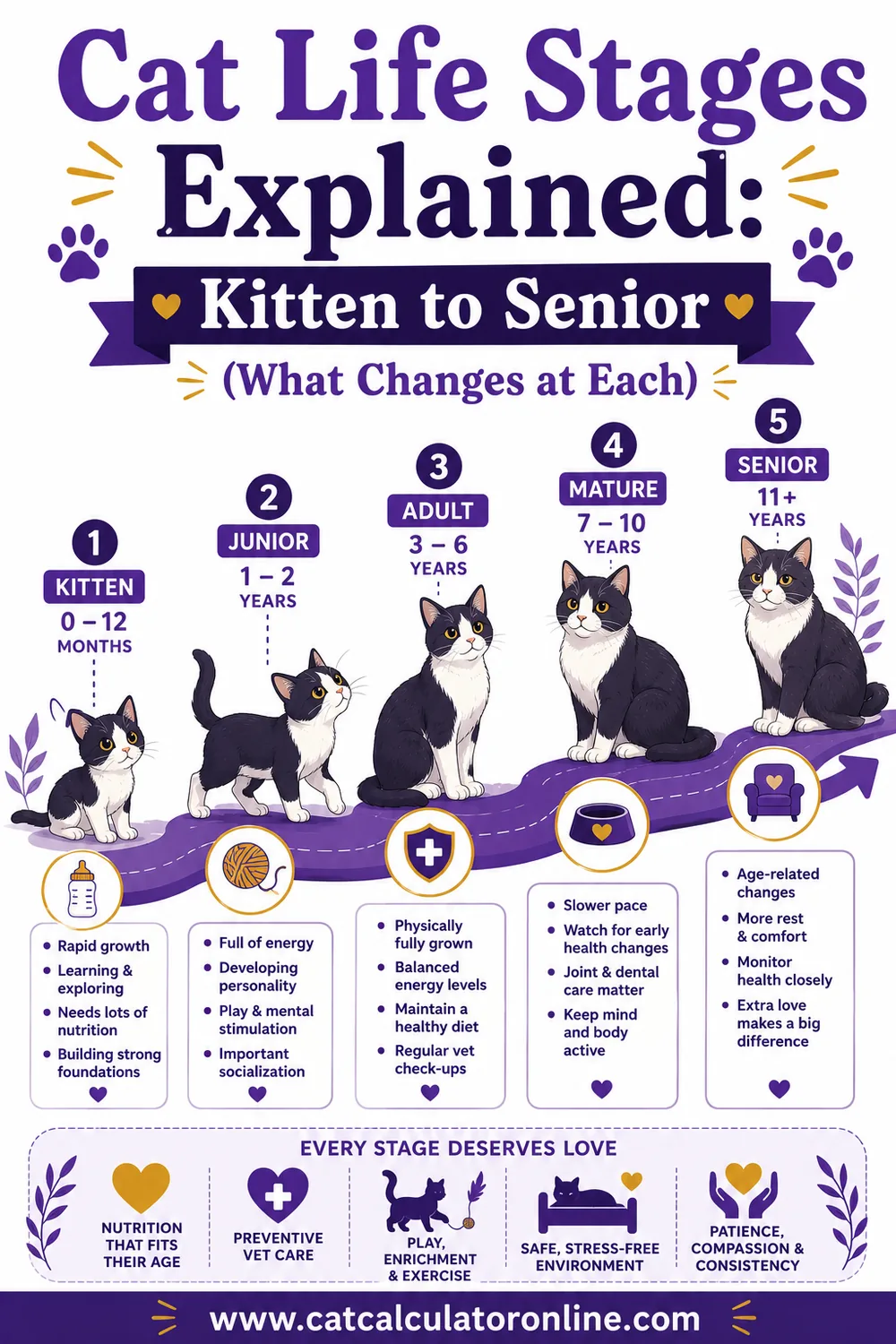
Curious where your own cat sits on that timeline? Our free cat age calculator will tell you her life stage in one tap.
When Kneading Is Worth a Vet Mention
Kneading is normal, so this list is short. Talk to your vet if you notice:
- Kneading that turns obsessive, replacing eating, sleeping, or normal interaction.
- Kneading paired with sucking on fabric or wool that becomes constant, especially if she's swallowing material — that's a blockage risk.
- A sudden stop in a cat who always kneaded, particularly alongside stiffness or reluctance to jump. Sore joints and arthritis are common in older cats and can make the motion uncomfortable.
- Limping, flinching, or licking one paw during or after kneading.
As always, these are reasons to ask, not diagnoses. Your vet reads the actual cat.
FAQ
Why do cats knead blankets?
Blankets combine everything kneading is about — a soft texture close to mother's fur, a spot worth scent-marking, and a surface to flatten into a nest before sleeping. Wool and fleece tend to get the strongest reaction.
Why does my cat drool when kneading?
Because the whole behavior traces back to nursing. Kneading once meant milk was on the way, and in some very relaxed cats the salivation response comes along for the ride. It's a sign of deep contentment, not a problem.
Do all cats knead?
Most do, but not all, and enthusiasm varies enormously. Some cats knead daily, others only occasionally or only for one person. A cat who doesn't knead isn't unhappy — she's just expressing herself in other ways.
Why does my cat knead me but not my partner?
Kneading is bonding plus scent-marking, and cats often direct it at one specific person — usually whoever provides the most reliable warmth, food, and calm. It's a preference, not a judgement on anyone else.
Should I stop my cat from kneading?
No. It's a natural comfort behavior and stopping it isn't realistic or kind. Manage the claws instead: trim them regularly and keep a folded blanket on your lap.
Do male and female cats knead differently?
Not meaningfully. Both knead for the same reasons. Unspayed females sometimes knead more intensely during a heat cycle, which is one of several behavior changes that come with the cycle.
The Bottom Line
Kneading is a nursing reflex that never switched off, layered with scent-marking through the glands in your cat's paw pads and an ancestral instinct to flatten a bed before sleeping. When your cat makes biscuits on you, she's telling you she feels safe, and marking you as part of her territory while she's at it.
Keep her claws trimmed, keep a blanket handy, and let her get on with it. To learn more about your cat, try our free cat age calculator, then read why do cats purr and cat life stages explained.