Why Do Cats Like Boxes? The Science of "If It Fits, I Sits"
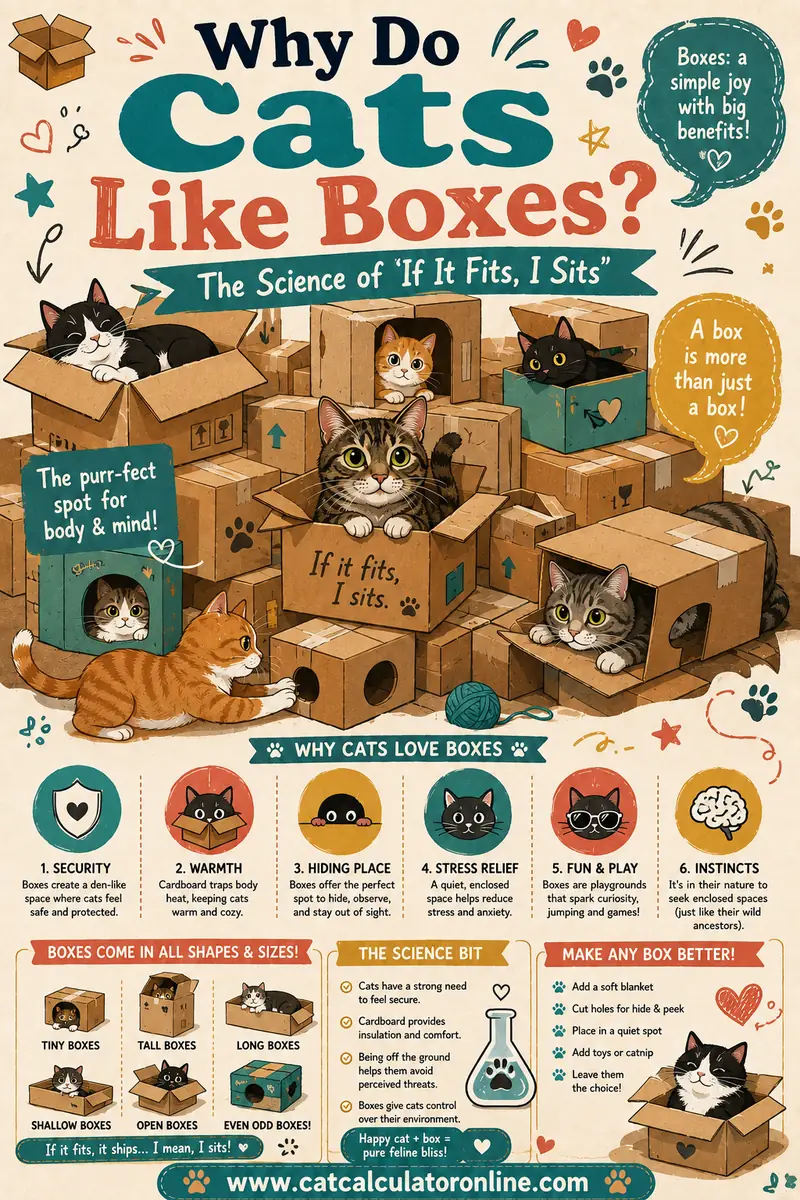
Cats love boxes because a small, enclosed space hits several deep instincts at once. A box feels secure — a hiding spot with only one entrance to watch, exactly what a small predator (and prey animal) wants. It's warm, since cardboard insulates and traps body heat. It's a perfect ambush post for pouncing. And it genuinely lowers stress. Put simply, a box makes a cat feel safe, cozy, and in control.
That's why "if it fits, I sits" is more than a meme — it's instinct. And it's why the pull extends to laptop keyboards, sinks, and even a square taped on the floor. Wondering how old the little box-dweller in your home is? Our free cat age calculator tells you in human years in one tap.
📦 Why is your cat in that box?
Tap the spot your cat has claimed to see what's drawing it there:
Tap the spot your cat has claimed to see what's behind it.
Reason 1: Security — A Safe Spot With One Entrance
The biggest reason is safety. Cats are ambush hunters, but they're also small enough to be prey themselves, so being unseen and protected is wired deep into them. A box delivers exactly that: solid walls on most sides, a roof of sorts, and usually just one opening to keep an eye on.
That single entrance is key. In an enclosed box, nothing can sneak up from behind or above. Your cat can relax, watch the room, and know that anything approaching has to come through the one gap it's already facing. For an animal built to stay alert, that's a huge relief.
This is the same instinct that sends cats under beds, into closets, and behind the sofa. A box is just the portable, cat-sized version — a private fortress it can carry its calm into. It's why a new or nervous cat will make a beeline for the nearest box the moment things feel uncertain.
Reason 2: Warmth — Cardboard Is Cozy
Cats run warmer than we do. A cat's preferred ambient temperature sits around 86 to 100°F (30 to 38°C), well above a comfortable room for us. So a cat is almost always on the lookout for somewhere a little toastier — and a box fits the bill perfectly.
Cardboard is a surprisingly good insulator. A snug box traps the heat a cat's body gives off and holds it close, turning a plain container into a warm little pocket. The tighter the fit, the better the heat retention, which partly explains the appeal of boxes that look far too small.
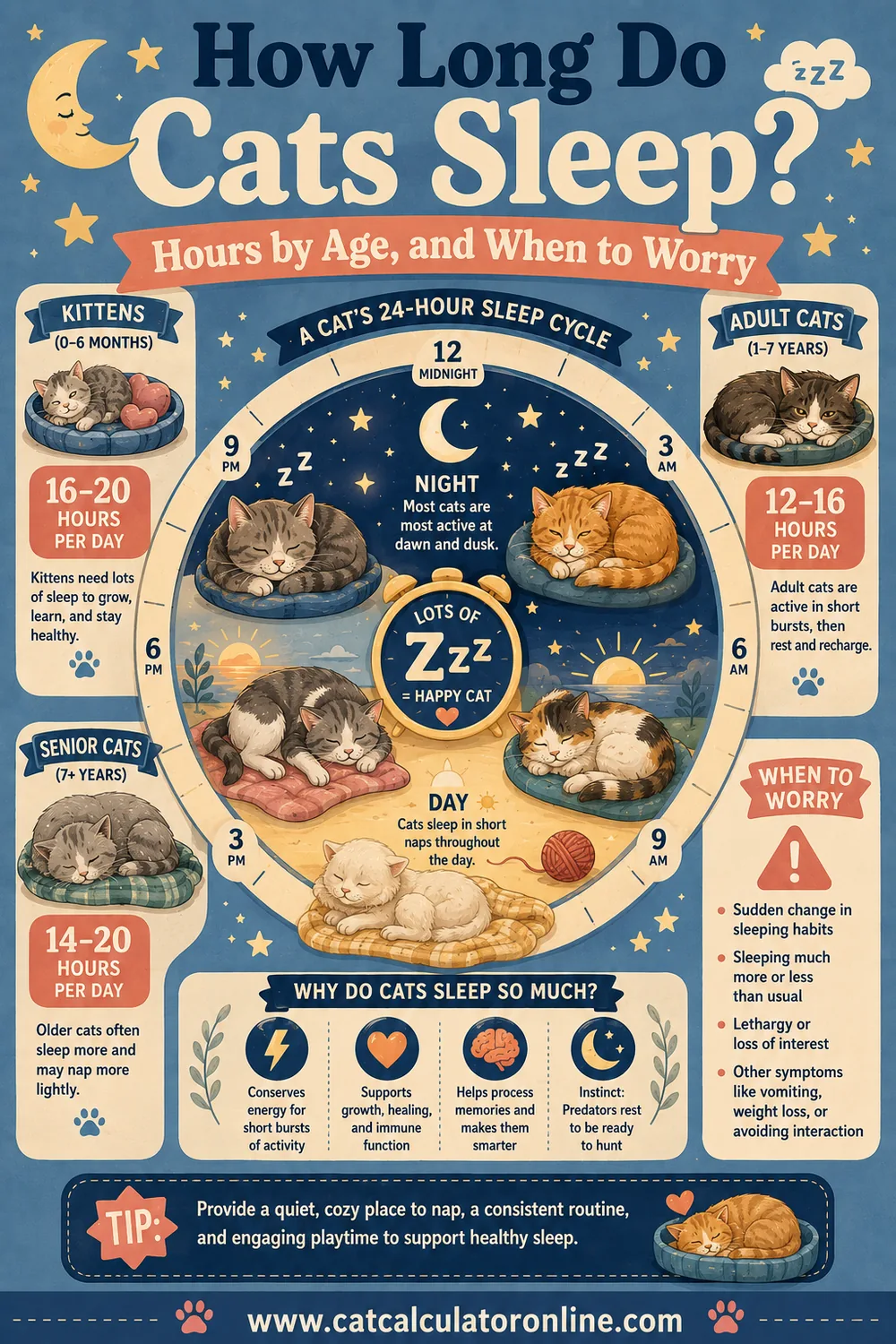
This is the same heat-seeking drive behind cats sprawling in sun patches, curling up on warm laptops, and burrowing into laundry. Given how much of the day cats spend asleep — often 12 to 16 hours, as we cover in how long do cats sleep — finding a warm, insulated nest to do it in really matters to them.
Reason 3: The Perfect Ambush Post
Boxes don't just help cats hide from threats — they help cats hide from targets. A cat is a stalk-and-pounce hunter, and a box makes a first-rate ambush point.
Tucked inside with only its eyes showing, a cat can watch the room unseen and explode out at the perfect moment. You've almost certainly been on the receiving end: a paw shooting out of a box at a passing ankle, or a full-body pounce on a sibling cat wandering by. That's not random silliness — it's a hunting sequence playing out in miniature.
Even well-fed indoor cats keep this instinct sharp through play. A box gives them a stage for it: cover to hide behind, a lookout to watch from, and a springboard to launch from. It scratches a real behavioral itch, which is one reason a plain cardboard box can entertain a cat longer than an expensive toy.
Reason 4: Stress Relief — And the Study That Proved It
Here's the part backed by actual research. Boxes don't just seem calming to cats — they measurably reduce stress.
A 2014 study in the Netherlands looked at newly arrived shelter cats, a classic high-stress situation. Half the cats were given a hiding box in their enclosure; half weren't. The result was clear: the cats with boxes settled in faster and showed lower stress levels than the cats without them. A simple hiding spot helped them cope with a frightening new environment.
It makes sense once you understand the security instinct. When a cat feels overwhelmed, its go-to coping strategy is to hide somewhere safe and small until the world feels manageable again. A box gives it that option instantly. Being able to retreat and control its own exposure is deeply reassuring to a cat.
This is why hiding places aren't a luxury — they're a genuine welfare need. Give any cat a way to tuck itself away and you're giving it a built-in stress valve.
Why the "If It Fits, I Sits" Pull Is So Strong
The box obsession spills over into all kinds of odd spots, and it's fun to see the same instincts at work each time.
- Boxes that are clearly too small. A cat crammed into a shoebox with bits spilling over the edges is still getting the payoff — the pressure of walls against its body, that gentle "swaddled" feeling. Contact with surfaces on multiple sides is comforting even when the fit is comical.
- Sinks and bowls. Smooth, cool, and curved to a cat's shape, a bathroom sink offers a different flavor of enclosure — handy on warm days when a box would be too cozy.
- Laptop keyboards. Warm from the electronics, right in the middle of your attention, and just big enough to perch on. A cat gets heat and company in one move.
- Taped squares on the floor. This is the strangest one. Cats will often sit inside a square marked out with tape — no walls at all. It seems the outline itself reads, on some level, as an enclosed spot worth claiming. Researchers have linked it to how cats perceive contours and shapes, and it's a delightful window into just how strong the "enclosed = safe" pull really is.
None of this is your cat being weird for the sake of it. Every one of these spots taps the same core drives — enclosure, warmth, and a sense of control.
When Hiding in Boxes Becomes a Worry
For the most part, a cat loving boxes is completely healthy and nothing to think twice about. Boxes are good for cats, full stop. But there's one pattern worth watching: hiding more than usual.
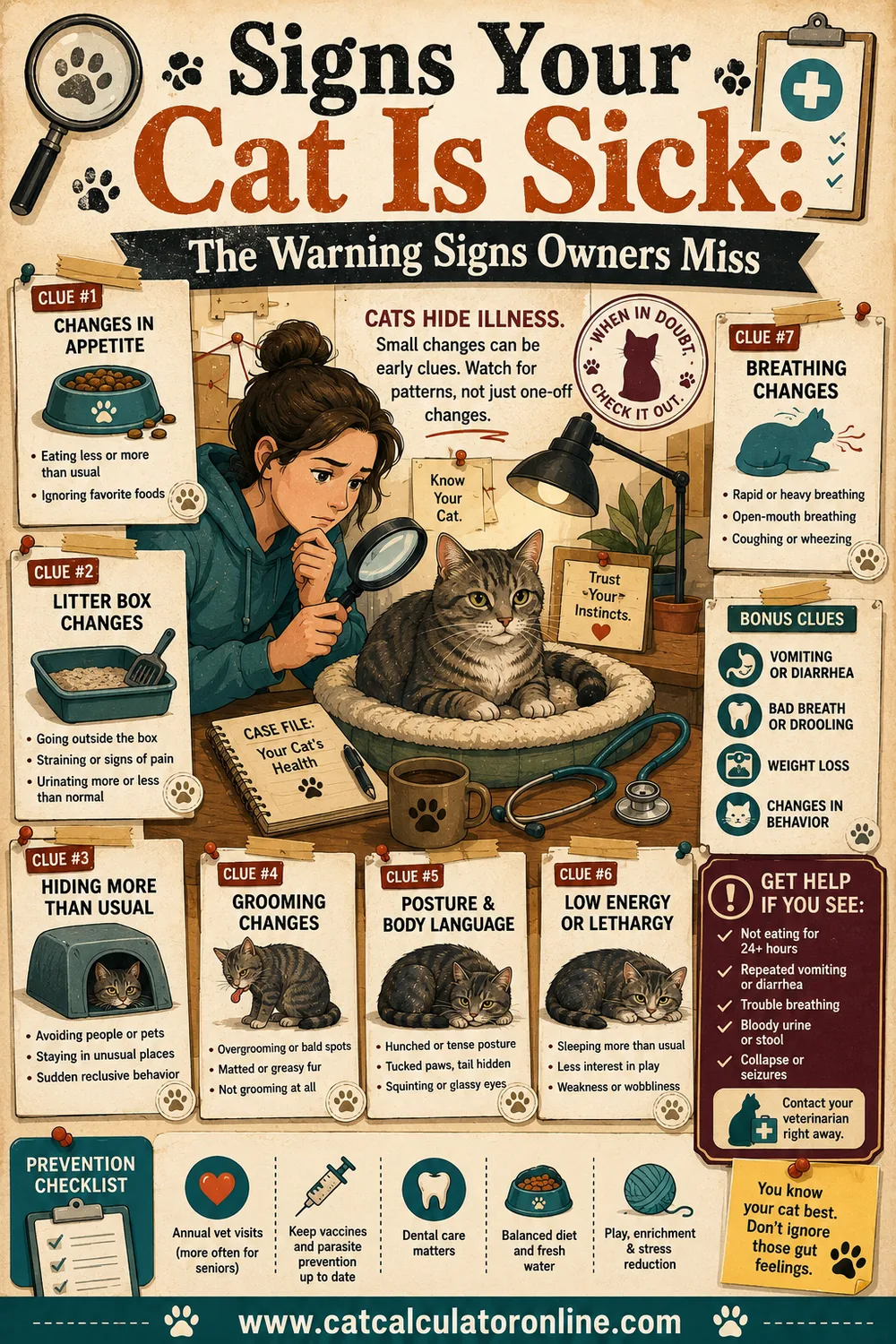
A cat that suddenly starts hiding far more than normal — vanishing into boxes, closets, or under furniture for long stretches, and staying there — may be telling you something's wrong. Increased hiding is one of the most common early signs that a cat is stressed, in pain, or unwell. Cats instinctively conceal illness, and retreating to a safe spot is part of that.
The key is change from your cat's normal, especially when it comes with other signs:
| Normal box love | Worth a closer look |
|---|---|
| Naps in a box, comes out to eat and play | Hides constantly, skips meals |
| Relaxed, loose body in the box | Tense, hunched, won't be coaxed out |
| Still social and curious otherwise | Withdrawn, avoiding you and other pets |
| Uses the box on and off all day | Sudden, dramatic increase in hiding |
| Grooming and litter habits unchanged | Grooming drops, litter box changes |
If your cat's hiding has ramped up alongside eating less, low energy, or any change in litter habits, don't wait it out — read signs your cat is sick and consider a vet visit. Our guide to how often should a cat go to the vet can help you judge the timing.
How to Use Boxes to Help Your Cat
Once you know why cats love boxes, you can put that to work for a calmer, happier cat.
- Always give a stressed cat a box. New cat settling in, a move, a party, fireworks, a trip to the vet and back — set out a box or covered bed so your cat has a retreat. It's one of the simplest ways to help it cope.
- Never block or remove a hiding spot. If your cat is tucked in its box, let it be. Dragging a cat out of its safe place, or taking the place away, removes its main coping tool and adds stress. Let your cat come out on its own terms.
- Place boxes thoughtfully. A box in a quiet corner, or up on a shelf for a cat that likes height, tends to beat one in a busy hallway. Give options and let your cat pick its favorite.
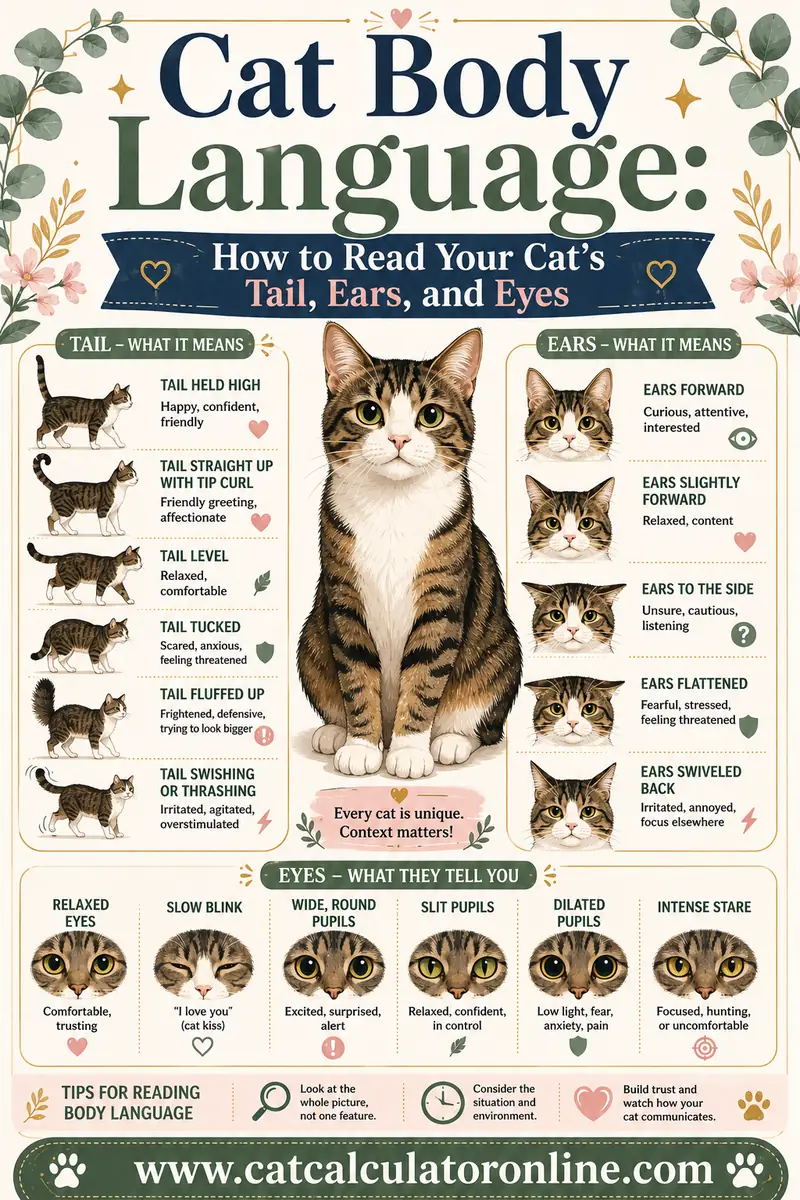
- Make it extra inviting. A soft towel or a worn t-shirt inside adds warmth and your familiar scent — a combination most cats find irresistible. Pair this with the calm signals in cat body language to know when your cat feels truly settled.
A few well-placed boxes cost nothing and give your cat exactly what its instincts are asking for.
FAQ
Why do cats like boxes so much?
Because a box satisfies several instincts at once — it's a secure hiding spot with one entrance to watch, it's warm since cardboard traps body heat, it makes a great ambush post for pouncing, and it genuinely lowers stress. All of that adds up to a spot where a cat feels safe and in control.
Do boxes actually reduce a cat's stress?
Yes. A 2014 study of shelter cats found that those given a hiding box settled in faster and showed lower stress than cats without one. Being able to retreat to a small, enclosed space is a real coping mechanism for cats, which is why hiding spots are considered a welfare need, not just a treat.
Why do cats sit in boxes that are too small?
The tight fit still delivers the payoff — walls pressing in on multiple sides give a comforting, swaddled feeling and trap warmth close to the body. The sense of enclosure matters more than a roomy fit, so a cat will happily squeeze into a box far too small for it.
Why do cats sit inside a square taped on the floor?
Even with no walls, the taped outline seems to register to a cat as an enclosed, defined space worth claiming. It's been linked to how cats perceive shapes and contours. It's a striking sign of just how strong the "enclosed equals safe" instinct is in cats.
Is it bad if my cat hides in a box all the time?
Occasional cozy naps are perfectly healthy. But a sudden, dramatic increase in hiding — especially with eating less, low energy, or litter box changes — can signal stress, pain, or illness, since cats hide when they feel unwell. If your cat's hiding has clearly ramped up, check signs your cat is sick.
Should I let my cat keep its box?
Yes — boxes are good for cats, and you should never take away or block a cat's hiding spot. A box gives your cat a built-in stress valve and a place to feel secure. Just keep it clean and swap it out when it gets worn or grubby.
The Bottom Line
Cats love boxes because a small, enclosed space checks every box that matters to them: security with one entrance to guard, insulating warmth, a hidden spot to ambush from, and real, measurable stress relief. The same instincts explain the too-small boxes, the sink naps, and the mysterious pull of a taped square. It's not quirky — it's a cat being perfectly, instinctively a cat.
Want to understand the rest of your cat's habits as well? Start with our free cat age calculator to see its age in human years, then dig into cat body language and signs your cat is sick so you always know the difference between a happy hider and a worried one.