How to Wean Kittens
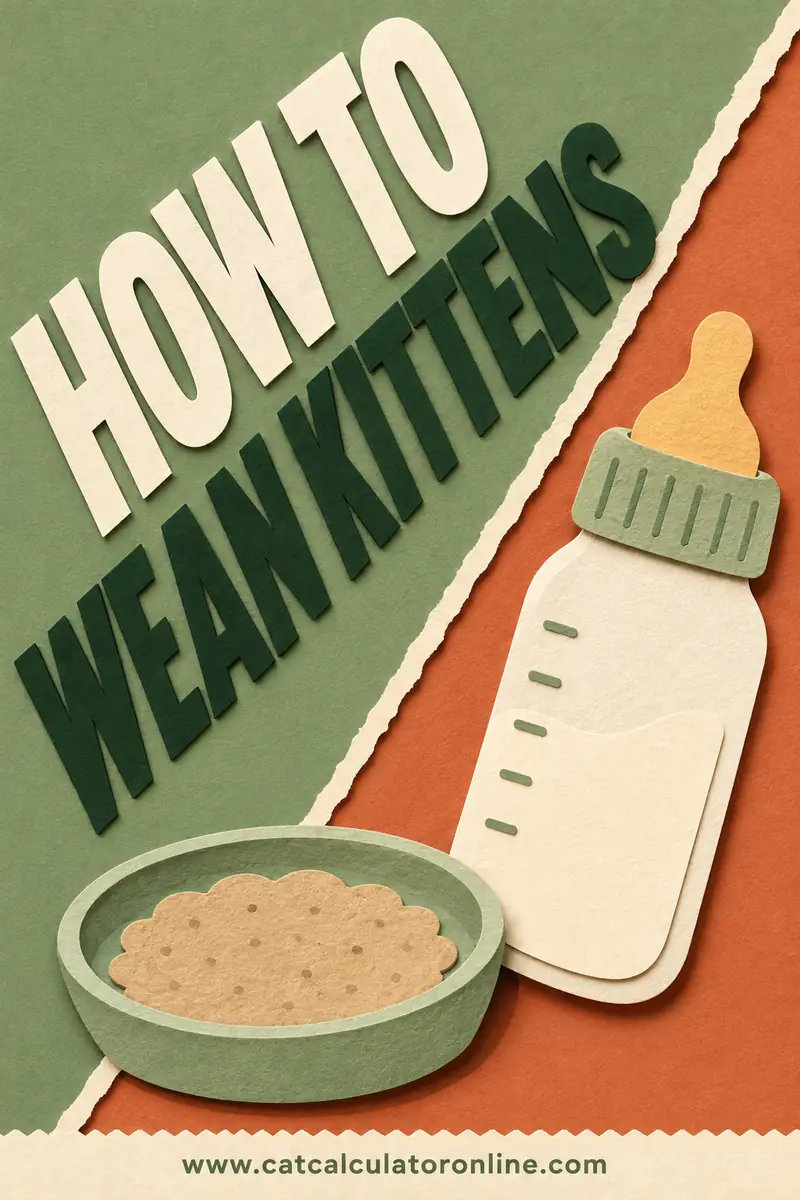
Weaning is a three-week process rather than an event, and the technique that makes it work is deliberately unhurried. Start at around three and a half to four weeks with kitten food thinned into a warm gruel, thin the liquid out gradually over two to three weeks, and finish at seven to eight weeks — and never remove the queen abruptly, because a sudden stop risks mastitis for her and creates suckling and food-guarding behavior in the kittens. The mess is not a sign of failure: kittens walk into the dish, wear the food and lick it off, and that is how they learn. Weigh through the whole process with the kitten weight calculator.
When to Start
Timing first, because starting at the wrong point causes most of the trouble.
Three and a half to four weeks is the standard start, and it lines up with three physical changes: kittens are walking, front teeth have erupted, and they can lap.
Watch for the kittens stealing from the queen's bowl. That behavior usually appears a few days before anyone offers them anything, and it is the clearest possible signal.
Do not start before three and a half weeks. A kitten that cannot lap can inhale gruel, and aspiration pneumonia at that size is often fatal.
Do not leave it past five weeks. Milk production peaks around three to four weeks and falls away afterwards while the kittens' needs keep climbing, so a late start means a calorie gap.
Orphans follow the same schedule from your best age estimate, and often take to a dish sooner because there is no alternative.
The whole timing question, including what "solid" means at each age, is set out in when can kittens eat solid food.
The Gruel: What to Mix and How
The recipe is not complicated, and there is only one correct set of ingredients.
Take a complete wet kitten food — a pouch or a third of a tin — and mash it thoroughly with a fork.
Add warm liquid until it is the texture of thin soup, roughly two to three parts liquid to one part food in the first week.
Use kitten milk replacer for the liquid initially, which makes the taste familiar and adds calories. Plain warm water is fine from about week two of weaning onwards.
Or soak dry kitten food instead. Cover kibble with warm water, leave 15 to 20 minutes until soft, then mash. It works just as well and is cheaper for a big litter.
Warm to roughly body temperature, about 100°F (38°C). Test on your wrist. Cold food is refused by kittens who have only known warm milk.
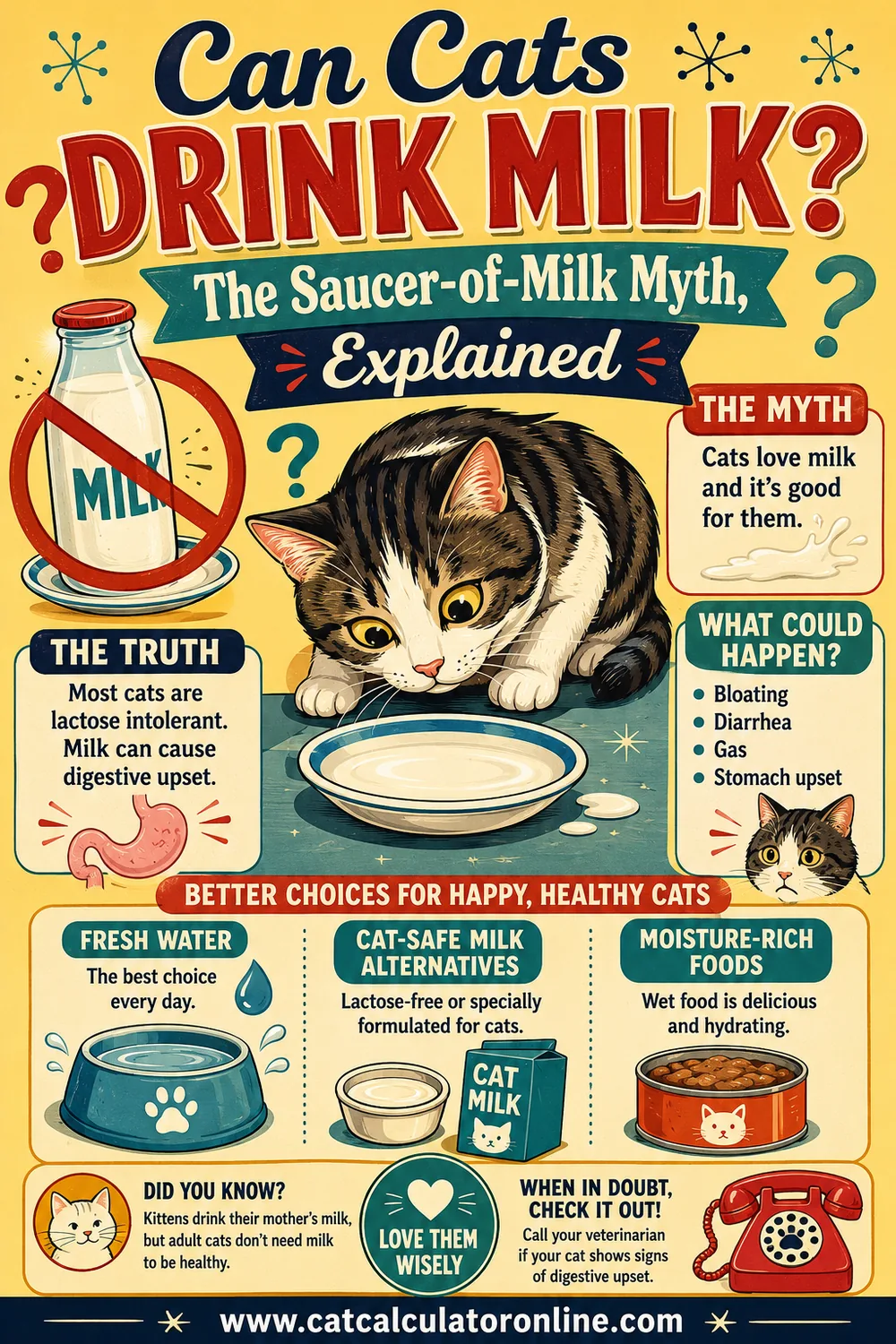
Never use cow's milk, goat's milk, lactose-free milk or human baby food. Cow's milk causes diarrhea and lacks what a kitten needs, and baby food may contain onion powder and no taurine — the detail is in can cats drink milk.
Make a fresh batch every meal and discard leftovers after 20 to 30 minutes.
The Weaning Schedule
Week by week, with what changes at each step.
| Week | Consistency | Offers per day | Nursing | Your job |
|---|---|---|---|---|
| 3.5–4 | Thin soup, replacer-based | 4–5 | Free access | Introduce dish, expect refusal at first |
| 4–5 | Thick soup | 4–5 | Free access | Weigh daily, add a water bowl |
| 5–6 | Porridge, mashed | 4 | Reducing | Start short separations from the queen |
| 6–7 | Barely moistened | 4 | Occasional | Introduce soaked kibble alongside wet |
| 7–8 | Full kitten food | 4 | Stopping | Longer separations, queen resting more |
| 8+ | Kitten food, wet or dry | 3–4 | None | Weaned; keep four meals to 4 months |
Move a step only when the current one is going well. If a litter is not clearing a thin gruel enthusiastically, do not thicken it yet.
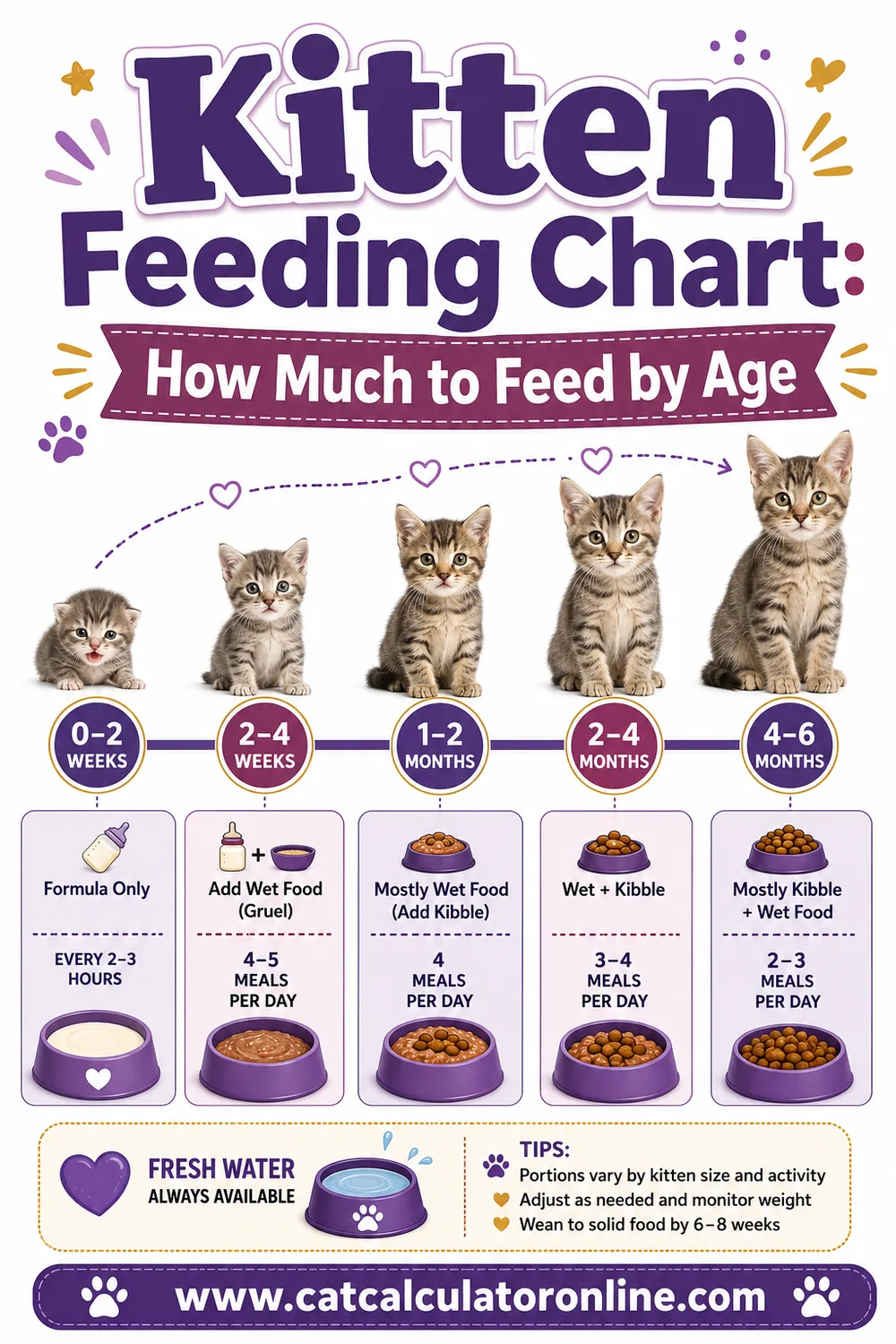
Weigh daily through the whole process. Weaning is the point at which a kitten can quietly stop gaining, and the scales catch it days before it is visible. Expected figures are in kitten feeding chart.
A flat weight for two days means slow down and let the kittens nurse more while you work out why.
Step by Step, the First Few Meals
The practical mechanics of the first week, which is the part people find fiddly.
Choose a very shallow, wide dish — a saucer, a jar lid, a takeaway tray. A four-week kitten cannot reach into a bowl.
Set up on a wipeable surface with newspaper or an old towel underneath.
Feed when they are hungry but not desperate, roughly an hour after they last nursed.
Introduce it on your finger. Dip a finger in the gruel and let the kitten lick it off, then lower the finger to the surface of the dish so the kitten follows it down.
A dab on the nose works too. Kittens lick it off, taste the food and connect it with the dish. Do not smear it into the nostrils.
Let them stand in it. Kittens walking through the food and licking it off their paws is a normal and effective route to learning. Do not fight it.
Clean up afterwards with a warm damp cloth, or let the queen wash them, which she usually will. Dried gruel in the coat causes matting and skin soreness.
Expect two or three failed attempts before anything is actually swallowed. That is standard.
Reducing the Queen Gradually
The part that is most often done badly, and the reason to read past the recipe.
Do not remove the queen suddenly. An abrupt stop leaves her with a full udder and a real risk of engorgement and mastitis, which is painful and needs treatment.
Start with short separations from about five weeks. An hour or two, once or twice a day, ideally straight after the kittens have eaten from a dish.
Extend the separations over the following two weeks until she is spending most of the day away and returning mainly to sleep with them.
Feed the kittens during the separations. Hungry kittens with no queen available take to the dish much faster than kittens with the option of nursing.
Let her choose to leave. Most queens self-wean, spending progressively less time in the nest and standing up when kittens approach. That is her doing the job for you, and it is worth cooperating with rather than interrupting.
Reduce her food gradually too, over a week or so once weaning ends, to help milk production wind down. Never cut it sharply while she is still producing.
Watch her udder daily. A hot, hard, red or painful mammary gland, or a queen who is off her food or feverish, is a same-day vet call — mastitis moves fast.
Weaning Orphaned Kittens
Different starting point, same destination.
Bottle-fed kittens wean on the same schedule, from about three and a half to four weeks, timed from your age estimate rather than a birth date.
Move bottle to dish in stages. Offer the replacer in a shallow dish first so they learn to lap, then start blending kitten food into it a little at a time.
Reduce bottle feeds as dish intake rises, dropping one feed at a time over roughly two weeks rather than stopping all at once.
Keep night feeds until they are reliably eating from the dish, then drop them last.
Toileting stimulation stops around three to four weeks, as kittens start using a tray by themselves — and a shallow tray with plain non-clumping litter should go in as weaning begins, which is covered in how to litter train a kitten.
Weigh twice a day rather than once for orphans through the transition, because there is no queen to compensate if a kitten stops eating.
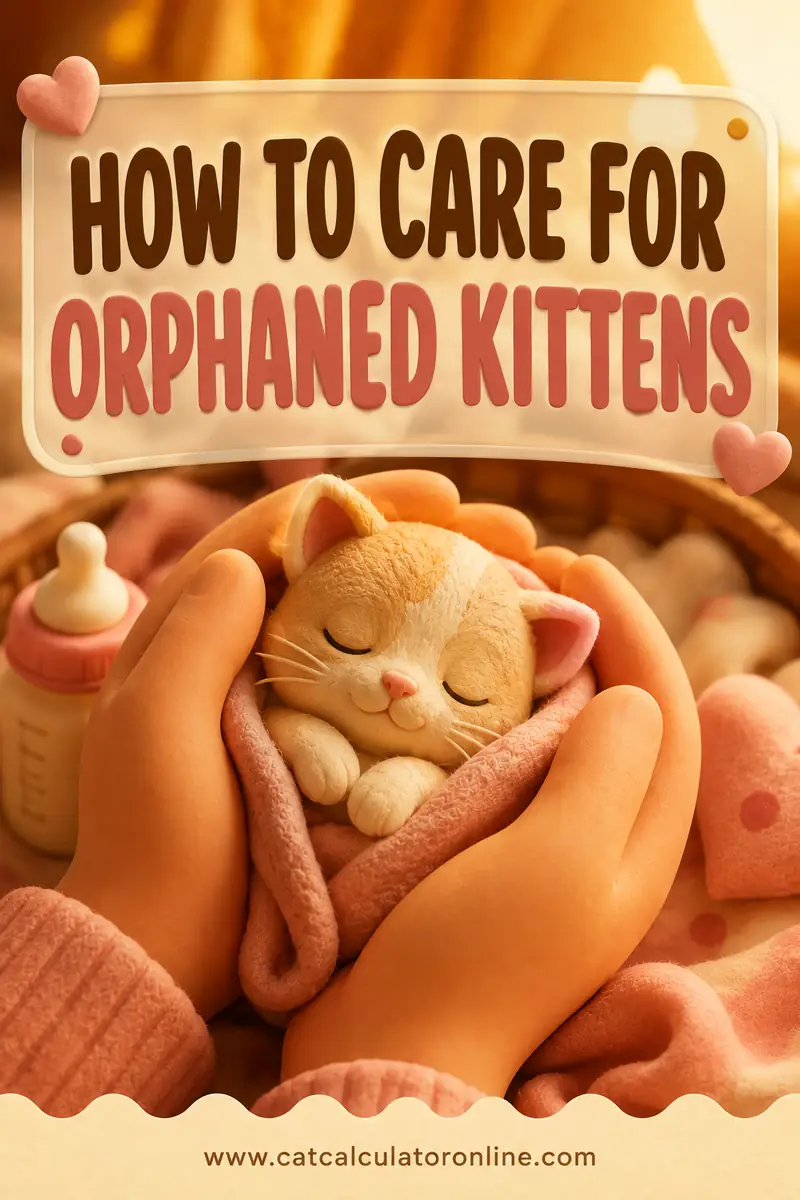
The full hand-rearing routine before this point is in how to care for orphaned kittens.
Problems and Fixes
The short list of things that actually go wrong.
A kitten refuses the dish entirely. Warm the food more, thin it, and put it on your finger. Feed when hungry. Repeated refusal past five to six weeks, especially with no weight gain, is a vet call.
Diarrhea. Almost always moving too fast, or portions too large, or food too rich. Go back a step and thin the gruel. Diarrhea lasting more than a day in a kitten this size needs a vet, because dehydration follows quickly.
Constipation as the gruel thickens. Add liquid back and make sure a water bowl is down and reachable.
One kitten getting squeezed out. The bold ones dominate. Feed the smallest on its own for a few meals, and weigh every kitten daily.
Kittens still nursing at nine or ten weeks. Not dangerous but not helpful either. Lengthen the separations rather than forcing a split, and make sure they are getting enough from the dish.
Suckling on littermates, blankets or your fingers. Usually a sign weaning went too fast or too early. It generally fades, and it is one more argument for keeping kittens together until at least eight weeks, as discussed in when can kittens leave their mom.
Never withhold food to push a kitten onto solids. Hungry is a nudge; starved is harm, and kittens have almost no reserve.
What to Do When Weaning Ends
Three jobs that fall due the moment the litter is off milk.
Settle the feeding routine. Four meals a day of complete kitten food until about four months, then three, then two from six months, staying on kitten food for the full first year.
Confirm each kitten is eating independently. No kitten should be rehomed until it reliably eats, drinks and uses a tray on its own — which is a large part of why eight weeks is the absolute minimum and twelve is better.
Book the queen's spay. This is the point most people miss. A queen can come back into heat within two to four weeks of giving birth, and many clinics will spay at or shortly after weaning, sometimes while she is still lactating. The timing is in how soon can a cat get pregnant again.
Keep worming on schedule, typically fortnightly from two to three weeks until around twelve weeks, on your vet's protocol.
Book the first vaccination for around eight to nine weeks, with a booster three to four weeks later.
And let the queen recover. She should regain condition on good food over the following weeks, and a queen who stays thin after weaning is worth a check.
Frequently Asked Questions
At what age should you start weaning kittens?
At around three and a half to four weeks, once kittens are walking, have front teeth and can lap. Weaning is normally complete by seven to eight weeks, with nursing continuing alongside solid food throughout that period.
What do you feed kittens when weaning?
Complete wet kitten food mashed and thinned with warm water or kitten milk replacer into a soupy gruel, warmed to about body temperature. Soaked and mashed dry kitten food works too. Never cow's milk, adult cat food or human baby food.
How do I get a kitten to eat gruel for the first time?
Dip a finger in the warm gruel and let the kitten lick it off, then lower your finger onto the surface of a very shallow dish so it follows. A small dab on the nose also works. Two or three failed attempts is normal.
Should I separate the mother cat to wean the kittens?
Not abruptly. Start with one or two hour separations from around five weeks, extending them over two weeks. A sudden permanent split risks engorgement and mastitis for the queen and encourages suckling behavior in the kittens.
Is it normal for kittens to walk in their food?
Yes, and it is part of how they learn. Kittens stand in the dish, wear the gruel and lick it off themselves and each other. Use a very shallow dish, feed on a wipeable surface and wipe them clean with a warm damp cloth afterwards.
How do you wean orphaned kittens without a mother?
The same schedule from about three and a half to four weeks. Offer milk replacer in a shallow dish first so they learn to lap, then blend kitten food in gradually while dropping one bottle feed at a time over roughly two weeks.
Weaning works when it is gradual: warm gruel from three and a half to four weeks, thinner liquid cut back a little each week, four or five small offers a day, and a finish at seven to eight weeks. Weigh every kitten daily and slow down if the gain flattens. Separate the queen in lengthening stages rather than all at once, watch her udder for mastitis, and let her food come down slowly afterwards. Then do the three things weaning triggers: settle the feeding routine, book the vaccinations, and get the queen's spay in the diary. Track the gains with the free kitten weight calculator.