How to Give a Cat a Pill: Every Method That Actually Works
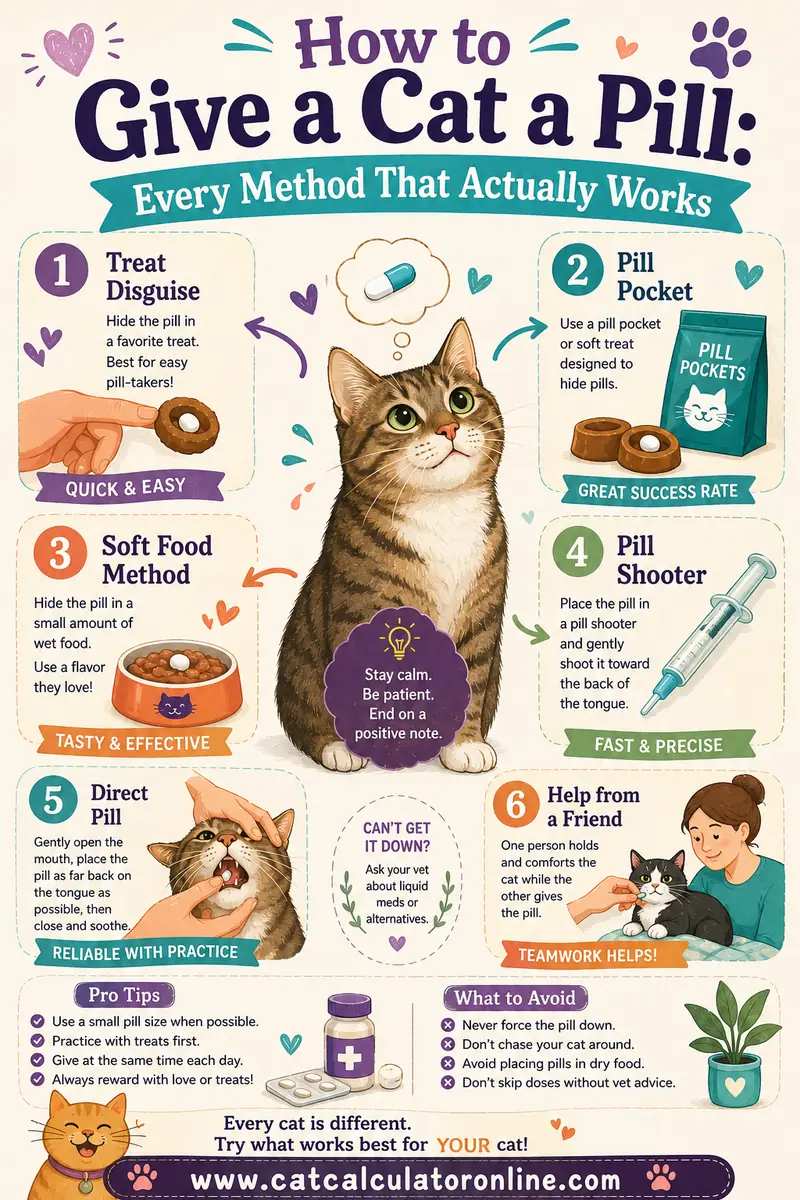
The easiest way to give a cat a pill is to hide it in a treat she'll happily eat — a pill pocket or a small bit of strong-smelling food, if your vet confirms the medicine can be given with food. If that fails, the direct method works: gently tilt her head back, open her mouth, place the pill at the very back over the tongue, close her mouth, and encourage a swallow with a gentle throat rub and a small water chaser. A towel wrap and a second pair of hands make it far easier.
Medicating a cat is a rite of passage, and if it's going badly right now, you're in good company. This guide is a general, non-medical how-to only — it can't tell you what to give, how much, or for how long. Always follow your vet's exact instructions, and never give a human medicine to a cat. One safety point up front, because it saves lives: many common human medicines, including paracetamol/acetaminophen and ibuprofen, are fatal to cats. Trying to work out whether your cat's care and medicine costs are adding up? Our free cat cost calculator helps you plan the yearly picture.
💊 Which pill method should you try first?
Tap what best describes your cat:
Tap an option above to see where to start.
First, the Safety Rules That Never Bend
Before any technique, get these straight — they matter more than method.
- Never give human medicines to a cat. Many are toxic and some, like paracetamol/acetaminophen and ibuprofen, are fatal even in small doses. If your cat needs pain relief or anything else, only the vet decides what and how much.
- Follow the vet's instructions exactly. Dose, timing, with or without food, and the full length of the course.
- Don't crush or split a pill without vet approval. Some pills are coated to release slowly or to protect the stomach; crushing them can be dangerous or make them useless.
- Don't stop a course early, even if your cat seems better. Stopping antibiotics early, in particular, can cause the problem to come back stronger.
- Ask about food. Some medicines must be given on an empty stomach; others need food. This changes whether the hide-in-food trick is even allowed.
With those locked in, everything below is about getting the pill in with the least stress for both of you.
Start With the Easiest Method: Hide It
Always try the low-stress options first. If your cat takes the pill without noticing, nobody has to wrestle anyone.
Pill pockets are soft, hollow treats made for this exact job. You tuck the pill inside, pinch it closed, and offer it like any treat. For a food-motivated cat, this is the whole solution. Offer a plain treat or two first so she's in "yes please" mode, then the loaded one.
Hiding in food works too — a small amount of something strong-smelling and irresistible, like a lick of wet food or a bit of tuna, with the pill buried inside. Two rules make it work: only do this if your vet confirms the medicine can be given with food, and use a small portion so she finishes all of it and gets the full dose. A big bowl means she might eat around the pill or leave the last, medicated bite.
The catch is the clever cat who eats the treat and spits out the pill, or who goes off the food entirely once she associates it with medicine. If that's your cat, don't fight it — move on to the direct method rather than turning every meal into a standoff.
Compare the Methods at a Glance
Here's the honest rundown so you can pick your starting point.
| Method | Best for | Watch out for |
|---|---|---|
| Pill pocket treat | Treat-loving cats; easiest of all | Some cats detect and reject the pill |
| Hidden in strong food | Food-motivated cats | Only if vet okays food; use a small portion so she finishes it |
| Pill dispenser (piller) | Cats who bite; keeps fingers safe | Takes a little practice to aim |
| Direct by hand | When hiding fails | Needs calm technique; easier with two people |
| Towel "burrito" wrap | Wrigglers and scratchers | Keep it snug but not tight; don't overheat her |
| Ask vet for alternatives | Cats who fight everything | Not every med comes in another form — but many do |
There's no prize for doing it the hard way. Start at the top and only move down as needed.
The Direct Method, Step by Step
When hiding won't cut it, giving the pill by hand is a reliable skill. Done gently and confidently, it's over in seconds. Here's the calm version:
- Get set up. Have the pill ready in one hand and a small syringe or bowl of water nearby for the chaser. Sit somewhere you can control, like the floor or a table.
- Position her. Face her away from you, or hold her against your body. Many people find it easiest with the cat's bum tucked into their lap so she can't back away.
- Tilt the head back gently. Rest your non-dominant hand over the top of her head, thumb and finger at the corners of her mouth, and tip her nose upward. When a cat's nose points at the ceiling, her jaw naturally relaxes open a little.
- Open the mouth. With your other hand, use a finger to gently lower the lower jaw.
- Place the pill at the back. Drop or place it as far back over the tongue as you comfortably can — past the hump of the tongue. A pill placed at the front gets spat out; a pill at the back gets swallowed.
- Close and encourage the swallow. Close her mouth, hold it gently shut, lower her head to a normal position, and stroke her throat or gently blow on her nose. Both encourage swallowing.
- Give the chaser and reward. Follow with a little water (more on why below), then treat and praise so the whole thing ends on a positive note.
Speed and calm confidence help enormously. A drawn-out, nervous attempt gives her time to squirm; a smooth few seconds is easier on you both.
The Water Chaser: Why It Matters
Don't skip the chaser. After the pill goes down, give a small amount of water — a few millilitres from a syringe (no needle) into the side of the mouth, or tempt her to lap some, or offer a tiny bit of wet food if food is allowed.
Here's why it matters: a dry pill can stick in the throat or oesophagus, and with some medications that can cause irritation or damage if the pill lodges there instead of reaching the stomach. A water chaser helps the pill slide all the way down, which is genuinely important for certain drugs. Ask your vet whether the medicine your cat is on is one where the chaser is especially important — for many, it is.
If you're using a syringe, go slow and aim for the cheek pouch, not the back of the throat, so she can swallow at her own pace rather than gulping.
Two-Person and Towel Techniques
Some cats simply need more containment, and that's fine — it's about safety, not defeat.
Two people is the classic upgrade: one person holds and steadies the cat, the other handles the pill. It turns a rodeo into a quick, coordinated job. If someone's around, use them.
The towel burrito is your best friend for a scratcher. Lay out a towel, set your cat in the middle, and wrap it snugly around her body so her legs and claws are tucked inside, leaving just her head out. Snug but not tight, and don't leave her wrapped long enough to overheat. With claws safely contained, you can focus on the pill without getting shredded, and many cats actually settle once they're gently swaddled.
Combine them if you like: one person holds the burrito, the other gives the pill and chaser. Whatever keeps everyone calm and unscratched is the right approach.
When You Simply Can't — Call the Vet
If you've tried and it's not working — or if your cat gets so distressed that it's harming your bond or her wellbeing — stop and call the vet. This isn't giving up; it's good care, and it's a conversation vets have every day.
The key thing many owners don't realize: the pill is often not the only option. Depending on the medicine, your vet may be able to switch to:
- A liquid you can syringe into the cheek pouch, which some cats accept far more easily.
- A transdermal gel you rub onto the inner ear, where it's absorbed through the skin — no swallowing at all, for certain medications.
- A long-acting injection the vet gives, covering days or weeks in one go for some treatments.
- A flavored or compounded version made more palatable.
Not every drug comes in every form, but many do, and it can turn a twice-daily battle into a non-event. It's always worth asking. A cat who gets her full course calmly does far better than one who's stressed and only half-medicated.
Handling a Full Course Without Losing the Plot
A single pill is one thing; ten days of them is another. A few habits make a course go smoothly:
- Build in a reward every time. End each dose with a favorite treat (if food's allowed) so she starts to tolerate the routine.
- Keep it quick and consistent. Same spot, same calm approach each time. Predictability lowers the stress.
- Track doses. Tick them off on paper or your phone so you never double-dose or miss one — easy to lose track with a busy household.
- Don't chase a fleeing cat around the house. If she's onto you, set up calmly rather than turning it into a game of cat-and-mouse where you're the mouse.
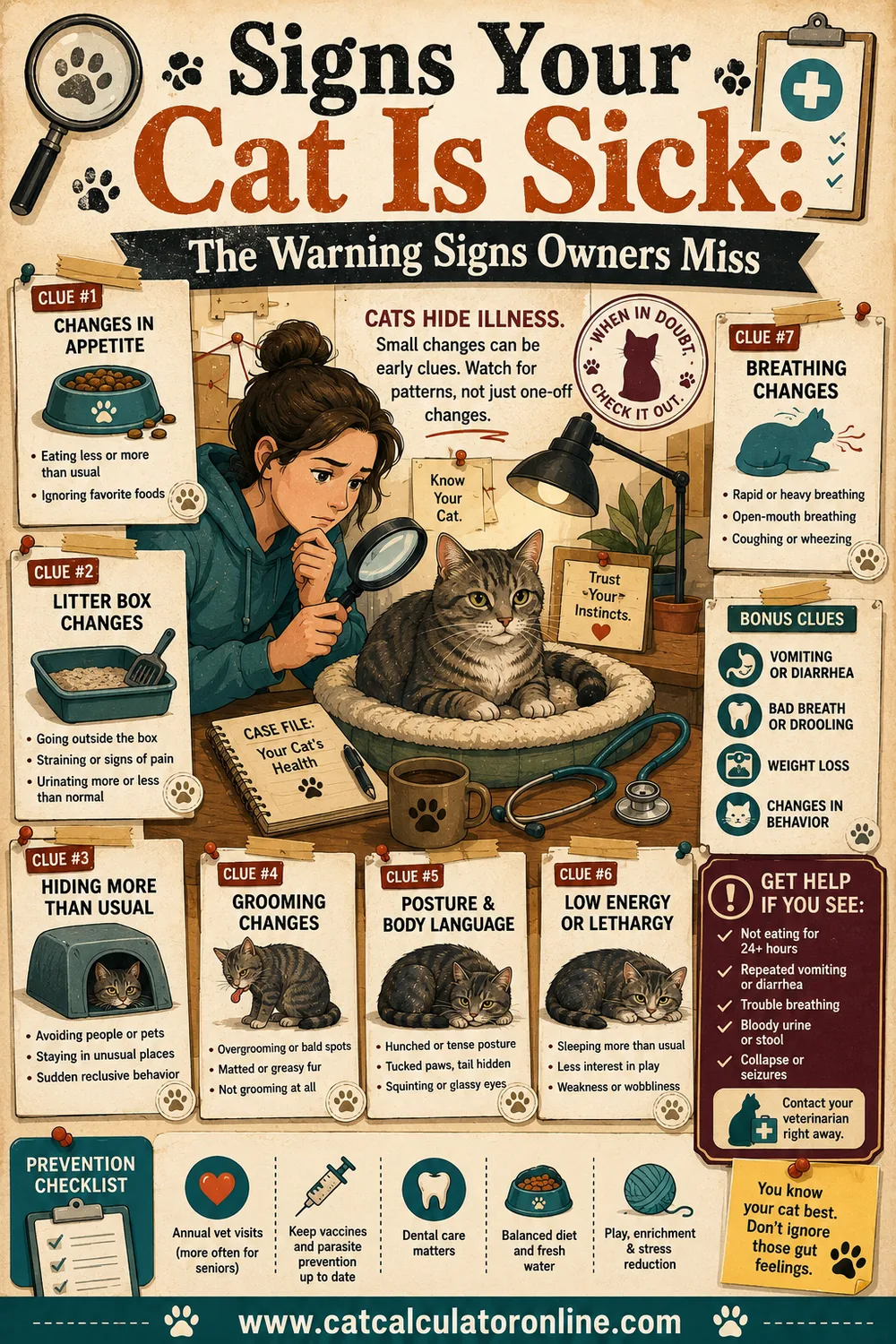
- Watch how she's doing. If she seems worse, refuses food entirely, vomits the medicine repeatedly, or shows new symptoms, call the vet — don't just push through. Our guide on signs your cat is sick helps you tell a normal off-day from something that needs a call.
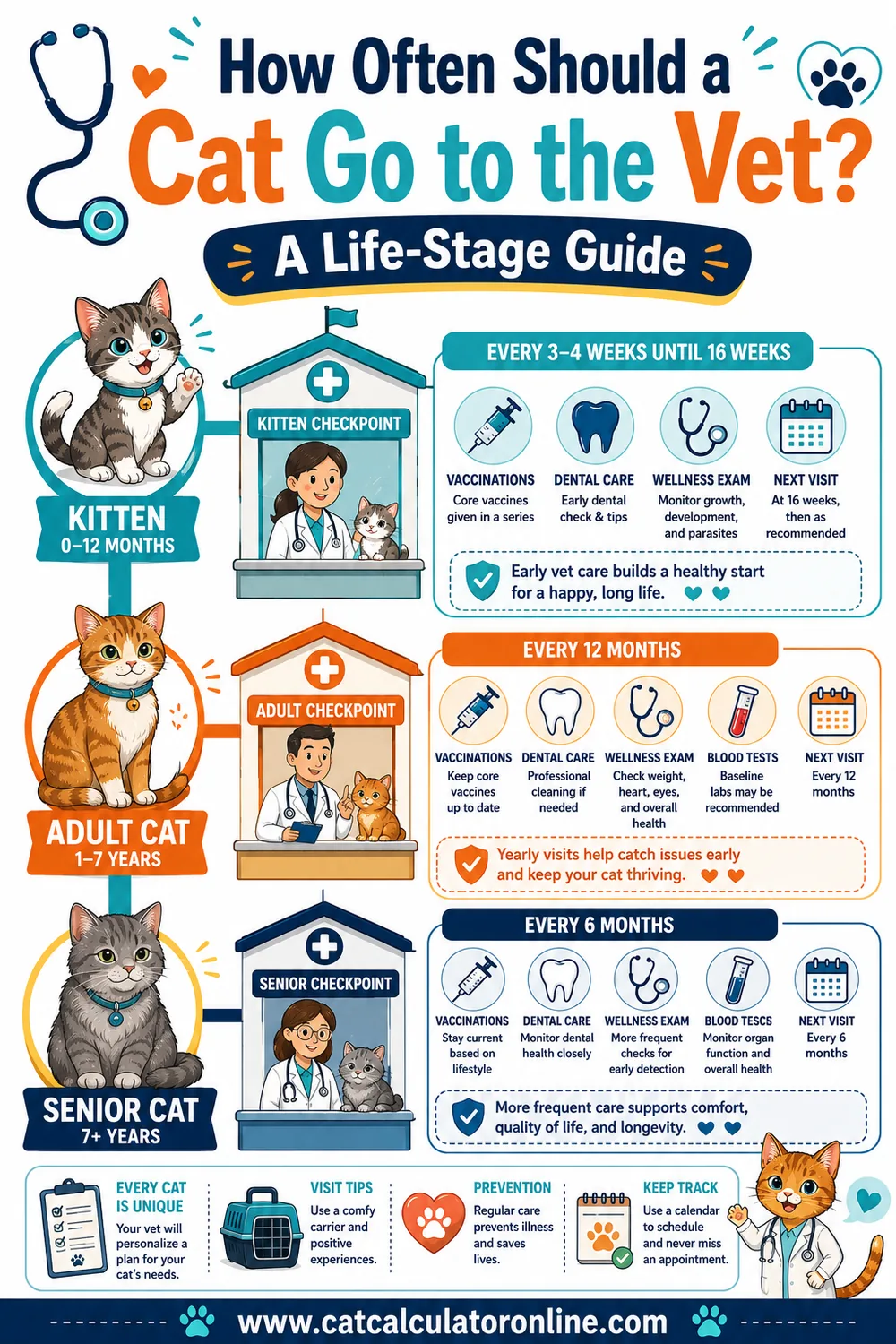
If the course is part of treating an ongoing condition, keeping up with checkups matters too; how often should a cat go to the vet lays out the schedule by life stage.
Kittens and Senior Cats: A Gentler Touch
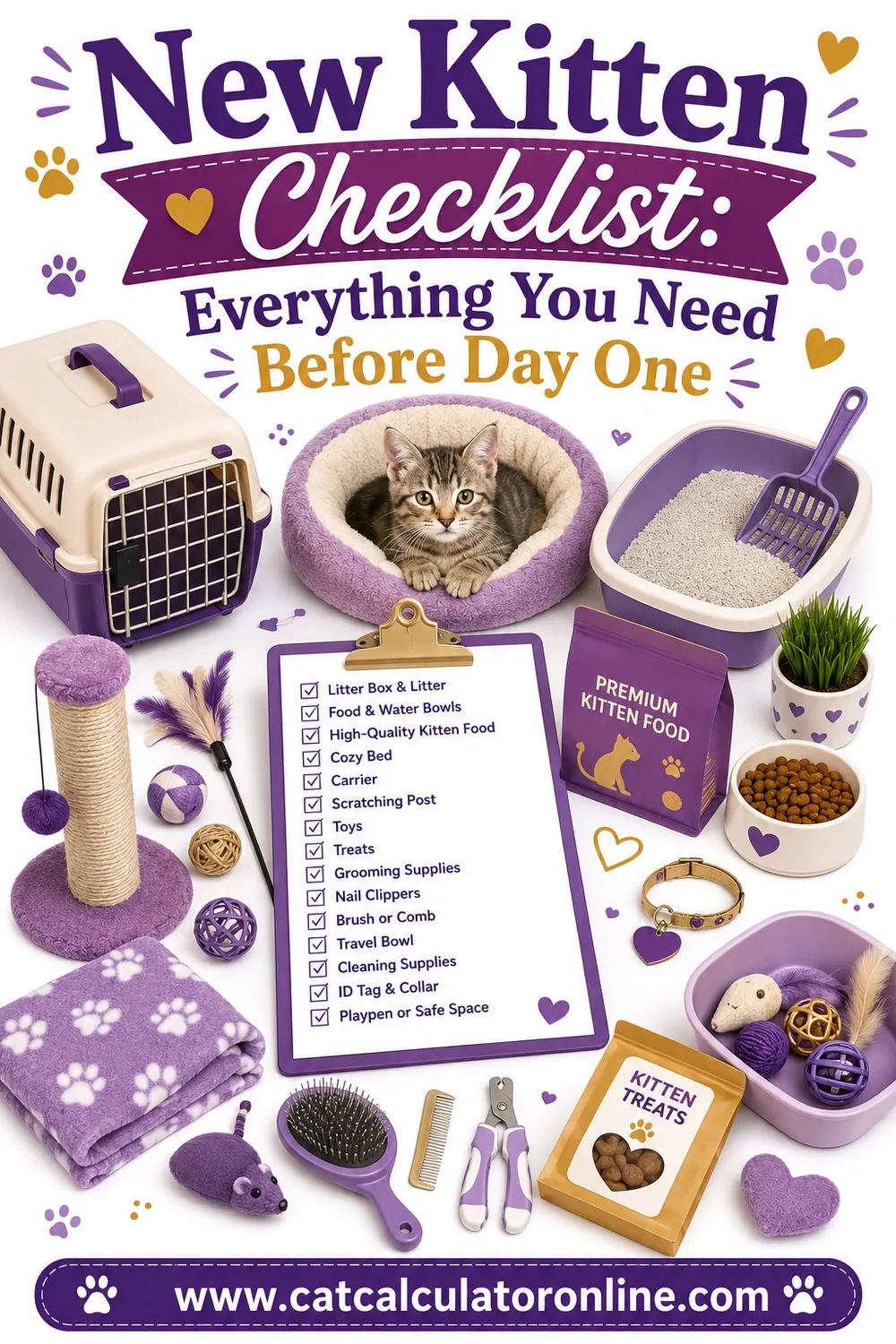
Kittens are small and squirmy, and their doses are precise, so accuracy matters. The towel wrap is especially handy, and getting a kitten used to gentle mouth handling early — the same habit that helps with tooth brushing — pays off for a lifetime of easier vet care. Our new kitten checklist covers building those handling habits from the start.
Senior cats may be frailer, arthritic, or on several medications at once. Be extra gentle with an older cat's neck and joints, don't force a stiff head back too far, and ask your vet about combining or simplifying medications if the pill count is getting overwhelming. For a senior on long-term treatment, the transdermal or liquid alternatives can be a real quality-of-life upgrade.
Whatever the age, the principles are the same: stay calm, be gentle, use the chaser, and lean on your vet when you need to.
FAQ
What's the easiest way to give a cat a pill?
Hide it in a treat she loves — a pill pocket or a small bit of strong-smelling food — as long as your vet confirms the medicine can be given with food. If she detects and rejects it, move to the direct method: pill at the back of the tongue, mouth closed, throat rub, and a water chaser.
How do I give a cat a pill if she won't eat it in food?
Use the direct method. Gently tilt her head back so her nose points up, open her mouth, place the pill as far back over the tongue as you can, close her mouth, and stroke her throat to trigger a swallow. Finish with a small water chaser and a reward. A towel wrap and a helper make it much easier.
Why should I give water after a pill?
A dry pill can stick in the throat or oesophagus, and with some medications that can cause irritation or damage. A small water chaser helps the pill slide all the way to the stomach. Ask your vet whether your cat's medicine is one where this is especially important — for many, it is.
Can I crush my cat's pill or hide it in food?
Only with your vet's approval. Some pills are coated to release slowly or protect the stomach, so crushing them can be harmful or make them ineffective. Likewise, only hide a pill in food if your vet confirms the medicine can be given with food.
What human medicines are dangerous for cats?
Never give any human medicine without vet direction. Several are toxic to cats, and some — including paracetamol/acetaminophen and ibuprofen — are fatal even in small amounts. If your cat seems to be in pain or unwell, call your vet rather than reaching for anything from your own cabinet.
My cat is impossible to pill. What are my options?
Call your vet. Depending on the medicine, they may be able to switch to a liquid, a transdermal gel rubbed on the ear, a long-acting injection, or a more palatable compounded version. Not every drug comes in another form, but many do, and it can end the daily struggle entirely.
The Bottom Line
Giving a cat a pill is easiest when you start gentle and work up: try a pill pocket or a small bit of vet-approved food first, and only move to the direct method — pill at the back of the tongue, mouth closed, throat rub, water chaser — if hiding fails. A towel wrap and a second person turn a wrestling match into a quick job, and the water chaser keeps the pill from sticking on the way down.
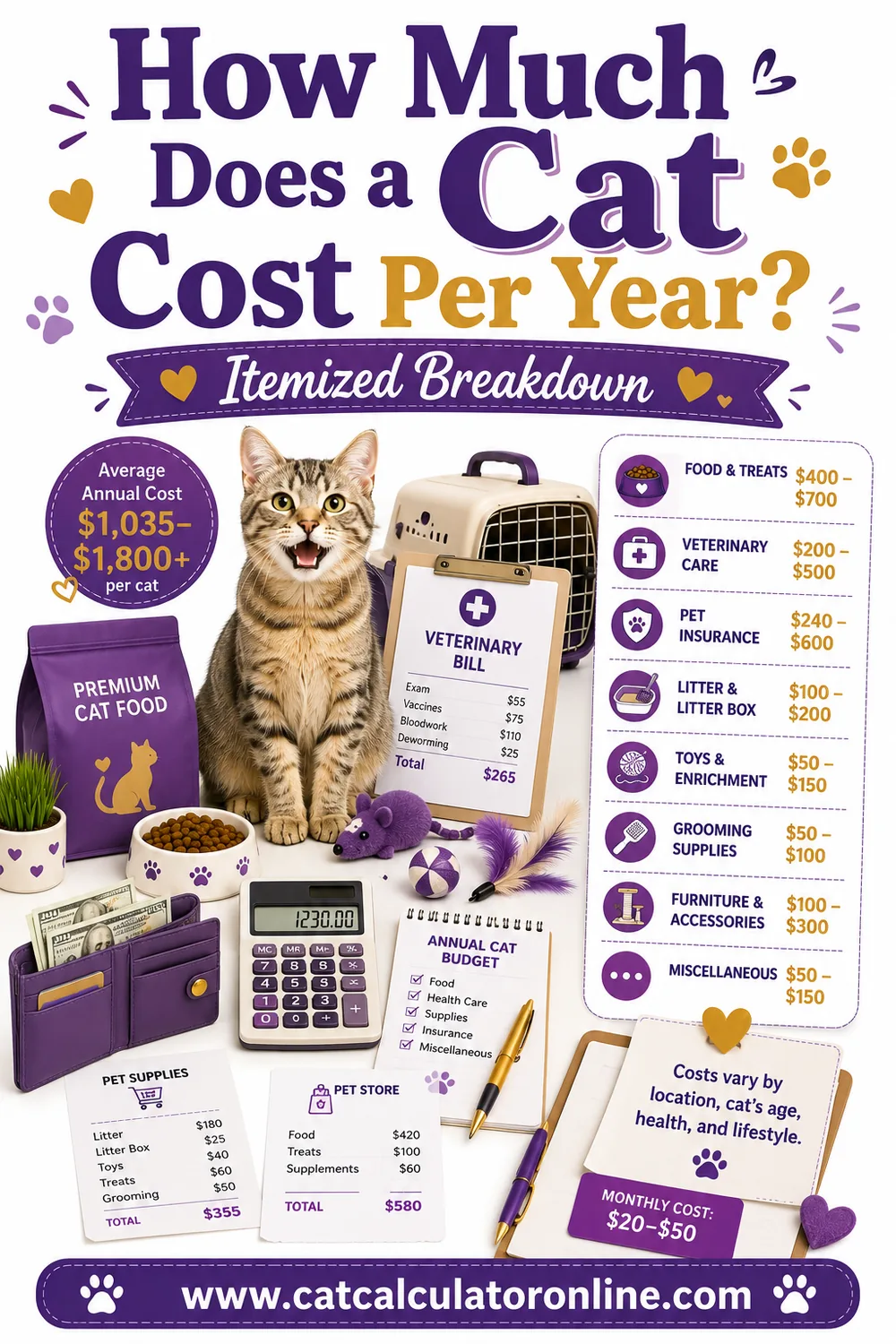
Above all, follow your vet's instructions to the letter, never give human medicines, and don't crush, split, or stop a course without approval. If you can't medicate safely, that's a phone call, not a failure — your vet can often switch to a liquid, gel, or injection. Keep the bigger picture in view with our free cat cost calculator and how much does a cat cost per year, and stay on top of the check-up schedule with how often should a cat go to the vet.