How to Brush a Cat's Teeth: A Gentle Step-Up Guide
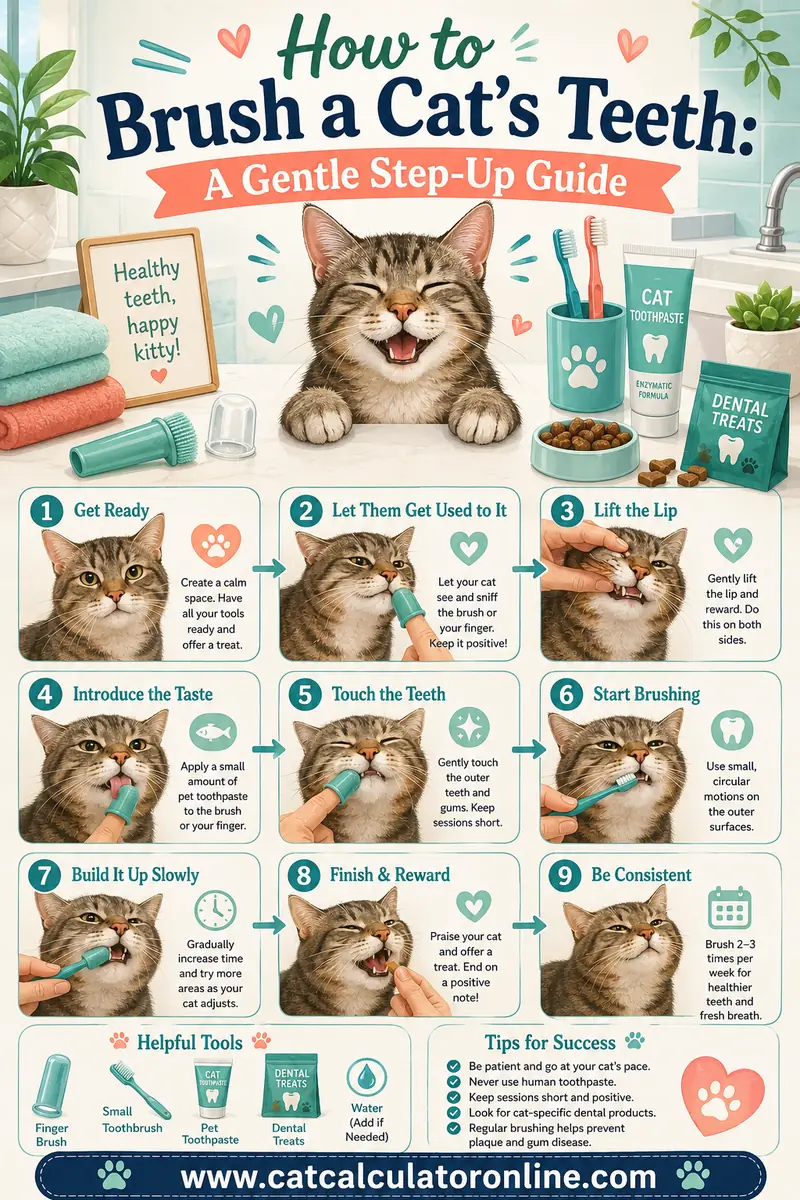
To brush a cat's teeth, use a cat-specific toothbrush or finger brush with enzymatic cat toothpaste — never human toothpaste — and build up slowly over several weeks. Start by letting her taste the paste, then touch a few teeth, then brush a little more each session. The ideal is daily brushing, focused on the outer surfaces where plaque builds up most.
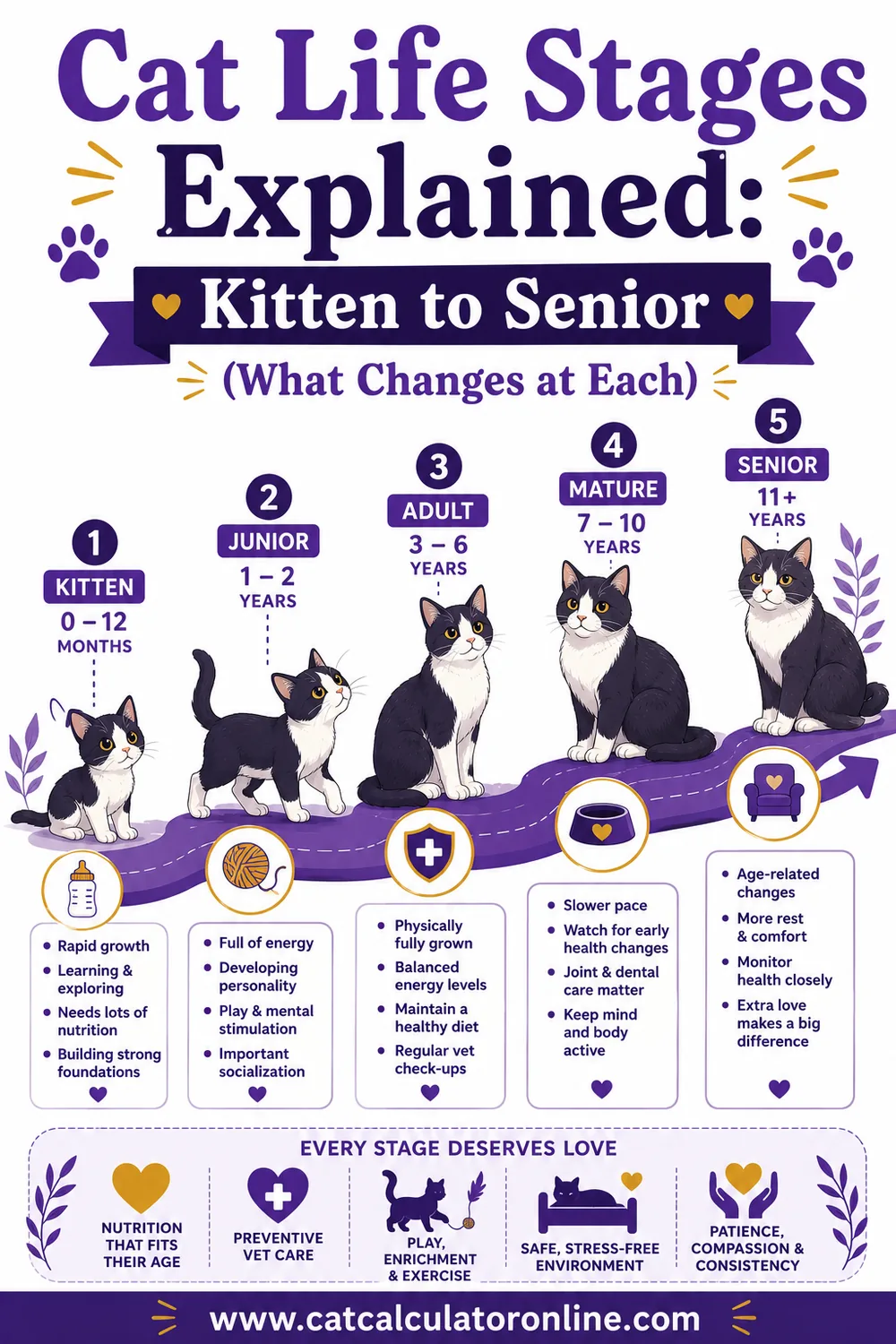
If that sounds ambitious for a cat who won't sit still, don't worry — the trick is patience, not force. This guide is informational only; it can't diagnose a dental problem, and any sign of mouth pain means a vet visit. Dental disease is genuinely common: most cats over about 3 to 4 years old have some degree of it, which is exactly why home brushing is worth the effort. Curious what stage your cat's at? Our free cat age calculator tells you her life stage, a useful nudge for when dental care should ramp up.
🦷 Dental-trouble spot check
Tap any sign you’ve noticed in your cat:
Tap a sign above to see what it can mean.
Why Brushing Your Cat's Teeth Actually Matters
Dental disease is one of the most common health problems in cats, and it's mostly invisible until it's advanced. Most cats over about 3 to 4 years of age have some degree of dental disease, and because cats hide pain so well, many owners never notice until a vet points it out.
Left alone, plaque hardens into tartar, gums get inflamed, and painful problems build under the gum line where you can't see them. It's not just about the mouth either — untreated dental disease is uncomfortable, affects eating, and takes a toll on overall wellbeing.
Brushing is the single most effective thing you can do at home to slow that process. It removes plaque before it hardens, which is the whole game. Think of it the way you think of your own teeth: daily upkeep prevents the big problems.
What You Need (and What to Never Use)
Getting the kit right matters, and one item is a hard rule.
- A cat toothbrush or finger brush. Soft-bristled and small. A finger brush that slips over your fingertip gives you great control and feels less alien to your cat.
- Enzymatic cat toothpaste. Made to be swallowed and usually flavored like poultry or fish, so cats often treat it as a treat.
- Never human toothpaste. Human toothpaste contains fluoride and often xylitol, both toxic to cats. It's also not meant to be swallowed, and your cat will swallow it. This is non-negotiable.
That's really it. You don't need anything fancy — a finger brush and a tube of cat toothpaste is a complete setup.
The Step-Up Training Plan
The mistake most people make is trying to brush a full mouth on day one. Cats say no to that, loudly. Instead, break it into small stages spread over a few weeks, moving up only when your cat is relaxed at the current step.
| Stage | What you do | Roughly how long |
|---|---|---|
| 1. Taste | Let her lick a dab of cat toothpaste off your finger | A few days |
| 2. Touch | Dip a finger in paste and gently rub a few front teeth and gums | 3–5 days |
| 3. Introduce the brush | Let her lick paste off the brush, no brushing yet | 3–5 days |
| 4. Brush a little | Lift the lip, brush a few outer teeth, then stop and reward | About a week |
| 5. Full routine | Work up to most of the outer surfaces, ideally daily | Ongoing |
Keep every session short and end on a good note with praise or a treat. If she gets tense, drop back a stage. Slow and positive beats fast and forced every single time — you're building a habit that has to last for years.
How to Actually Brush, Once She's Ready
When your cat is comfortable with the brush, the technique itself is simple:
- Pick a calm moment — sleepy and relaxed, not right after play.
- Settle her in your lap or beside you, facing away so it feels less confrontational.
- Lift the lip gently on one side to expose the outer teeth and gum line.
- Angle the brush at about 45 degrees toward the gum line and use small, gentle strokes.
- Focus on the outsides. The outer (cheek-facing) surfaces collect the most plaque, and cats tolerate the outsides far better than the insides. Getting the outsides is a genuine win.
- Work in sections and stop before she's had enough. Reward at the end.
You don't need to get every tooth or the inner surfaces. Consistent brushing of the outer surfaces most days does the heavy lifting.
What About Dental Treats, Water Additives, and Dry Food?
These come up constantly, so here's the honest version. Dental treats, water additives, and dental diets can help reduce plaque and are a reasonable addition — especially for cats who simply won't tolerate brushing. But they don't replace brushing or professional cleanings. Look for products your vet recommends rather than guessing.
And the big myth: dry food does not clean teeth in any meaningful way. Most cats crunch through kibble without the scrubbing action people imagine, and the idea that dry food keeps teeth clean is largely a myth. Feed your cat the diet that's right for her overall health, and handle dental care separately with brushing.
Bottom line: use these extras as helpers on top of brushing, not as a substitute for it.
Signs of Dental Trouble to Watch For
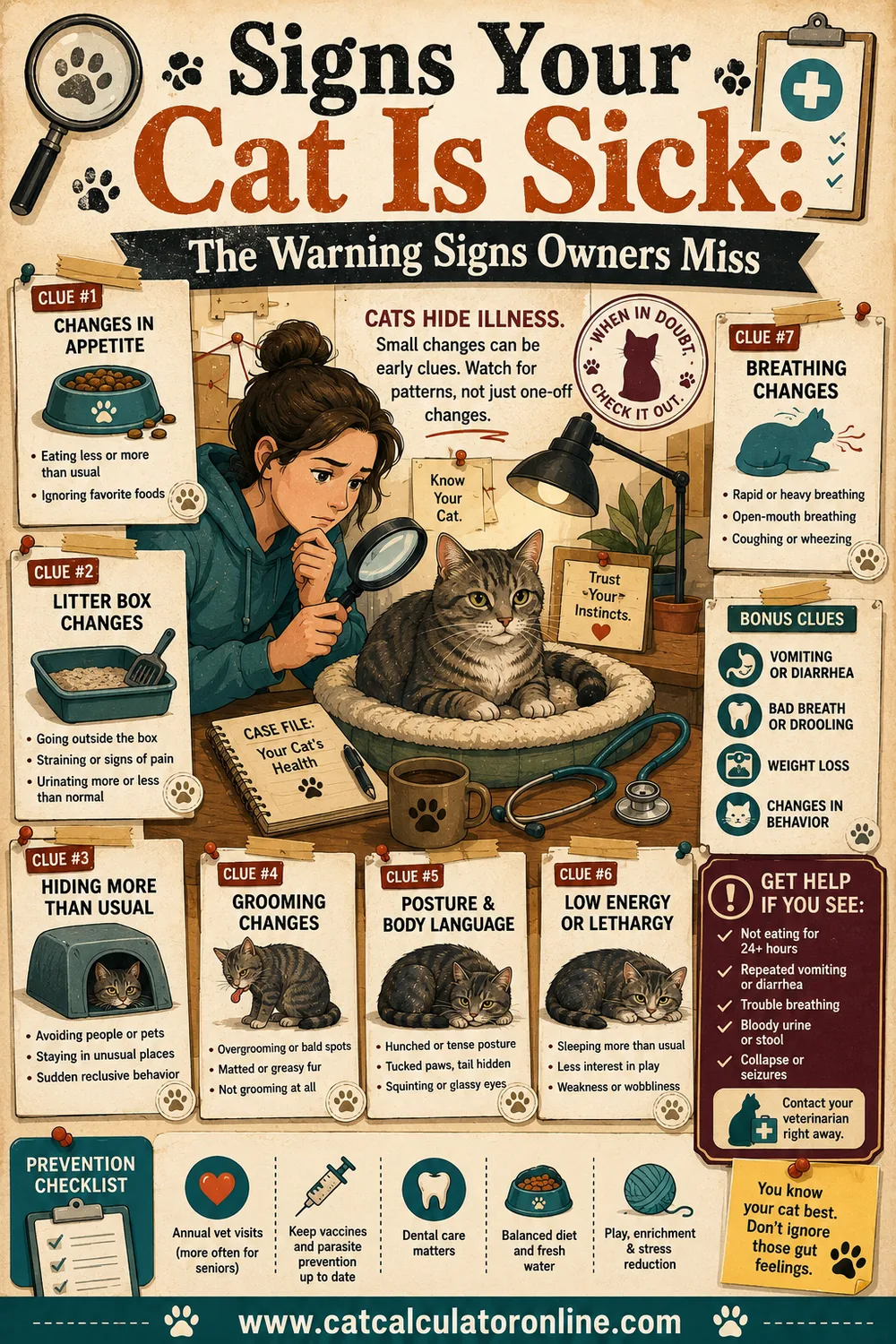
Because cats hide pain, you have to look for the quiet signals. See your vet if you notice any of these:
- Bad breath — the most common early sign
- Drooling — cats don't usually drool
- Red or bleeding gums
- Pawing at the mouth or rubbing the face
- Dropping food or eating on one side
- A broken or discoloured tooth
- Reluctance to eat or losing weight
None of these are things to treat at home — they're a signal to book a vet visit. Mouth pain is easy to miss and worth catching early. If you're seeing broader "off" behavior too, our guide on signs your cat is sick helps you sort what's urgent from what can wait for a regular appointment.
Professional Cleanings: What Your Vet Does
Home brushing prevents problems, but it can't reverse tartar that's already hardened or treat disease below the gum line. That's what professional dental cleanings are for.
Your vet performs these under general anaesthetic, which allows a thorough clean, a full check of each tooth including under the gums, and X-rays if needed. It sounds daunting, but it's routine, and anaesthesia is what makes a genuinely complete and pain-free clean possible in a cat.
How often your cat needs one depends on her teeth and age; your vet will tell you based on what they see at checkups. Brushing at home stretches out the time between cleanings — it doesn't eliminate the need for them. The two work together: you handle daily prevention, your vet handles what's under the surface.
Start Young if You Can
If you've got a kitten, you're in the best possible position. Kittens who get used to having their mouth handled and their teeth touched grow into adults who accept brushing with barely a fuss. It's far easier to build the habit early than to introduce it to a set-in-her-ways senior.
That said, plenty of adult cats learn to tolerate brushing with the slow step-up plan above — it just takes more patience. Fold mouth handling into your kitten's early routine alongside paw handling; our new kitten checklist covers those first weeks. Whatever your cat's age, the best time to start is now.
Making Brushing Stick as a Habit
The hardest part of cat dental care isn't the technique — it's keeping it up once the novelty wears off. A few small tricks help brushing survive past the first enthusiastic week.
- Anchor it to something you already do. Brushing your cat's teeth right before your own, or just before her evening meal, ties it to a habit that already exists so you don't forget.
- Keep the kit visible. A finger brush and toothpaste left by the sink or her feeding spot are a standing reminder; tucked in a drawer, they're out of mind.
- Aim for consistency, not perfection. A quick pass over the outer teeth most days beats a thorough scrub once two weeks. Little and often wins.
- End on a treat every time (if her medicine and diet allow), so she comes to associate the brush with something good rather than an ambush.
If you miss a few days, just pick it back up — no guilt required. The goal is a long-term rhythm, and a rhythm can absorb the odd gap.
How Dental Care Fits the Bigger Health Picture
Teeth don't exist in isolation. A cat in mouth pain may eat less, lose weight, or turn grumpy, and those changes can be mistaken for "just getting older" when the real cause is a sore tooth. Because cats are so good at hiding discomfort, dental disease is one of the quiet problems that a good home routine and regular vet checks catch early — long before your cat would ever let on.
That's why brushing and vet visits work best as a pair. You handle the daily prevention; your vet spots what's brewing under the gum line and schedules a professional clean when it's needed. Together they keep small issues from turning into painful, expensive ones down the line.
FAQ
Can I use human toothpaste on my cat?
No — never. Human toothpaste contains fluoride and often xylitol, both toxic to cats, and it isn't meant to be swallowed. Always use enzymatic toothpaste made specifically for cats, which is safe to swallow and usually flavored to taste like a treat.
How often should I brush my cat's teeth?
Daily is the ideal, because plaque starts hardening within a couple of days. If daily isn't realistic, brushing several times a week still helps a lot. Consistency matters more than a perfect job each time.
My cat hates having her teeth brushed. What can I do?
Slow down and break it into stages: taste the paste, touch a few teeth, then introduce the brush over several weeks. Keep sessions short and reward heavily. If she truly won't accept it, ask your vet about dental treats, water additives, or diets as backup.
Do dental treats and dry food clean my cat's teeth?
Dental treats and diets can help reduce plaque but don't replace brushing or professional cleanings. The idea that dry food cleans teeth is largely a myth — most cats don't chew it enough to scrub anything. Use these as helpers, not substitutes.
When does my cat need a professional dental cleaning?
Your vet decides based on what they see at checkups. Cleanings are done under anaesthetic so the vet can scale away hardened tartar, clean under the gum line, and X-ray the teeth. Home brushing stretches the time between cleanings but doesn't replace them.
What are the signs my cat has dental problems?
Bad breath, drooling, red or bleeding gums, pawing at the mouth, dropping food, eating on one side, or a broken tooth. Any of these means a vet visit. Cats hide pain well, so these quiet signs are often the only warning.
The Bottom Line
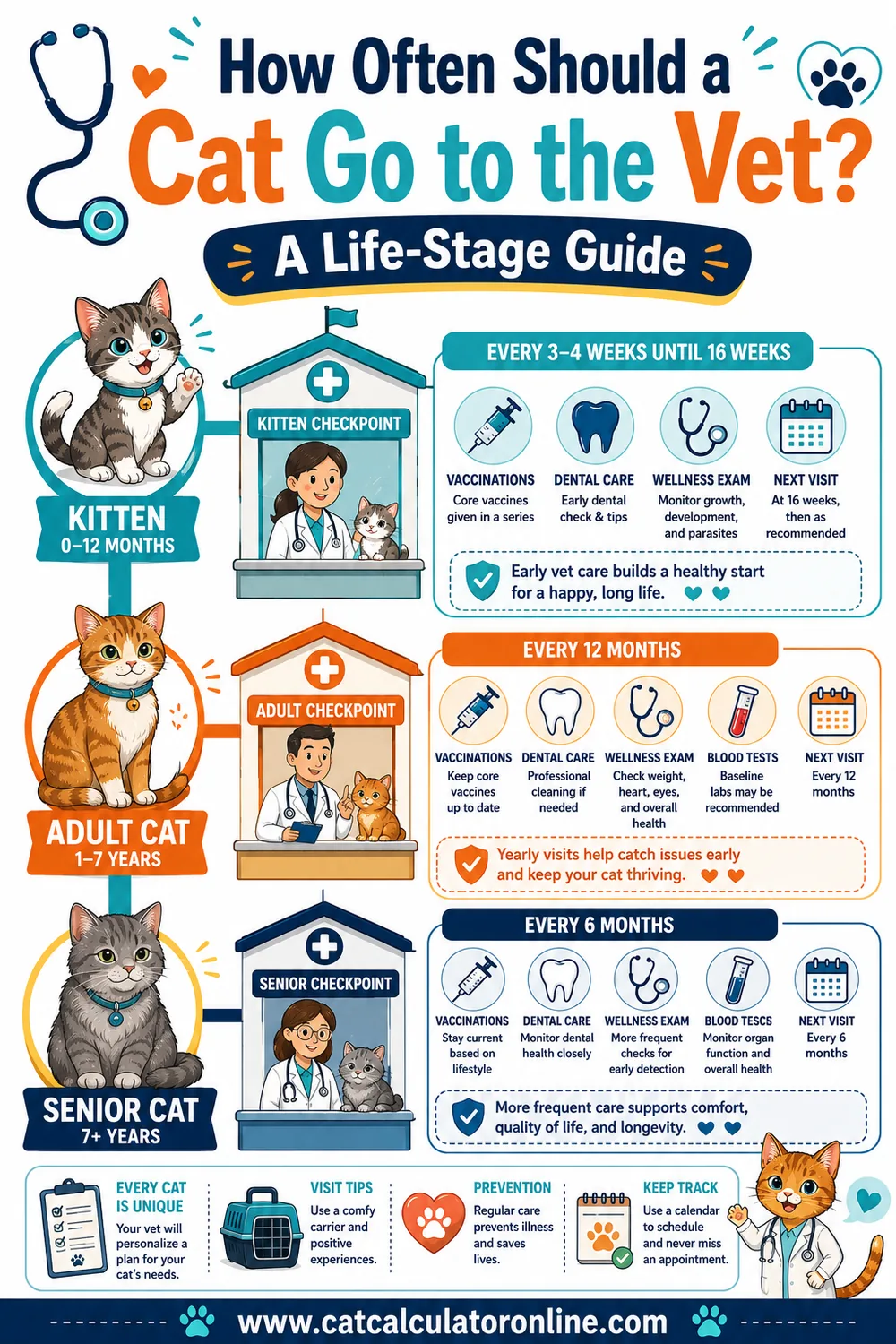
Brushing a cat's teeth comes down to the right tools and a lot of patience: a cat toothbrush, enzymatic cat toothpaste (never human toothpaste), and a slow step-up plan that builds from a taste to a daily routine. It matters because dental disease is so common in cats over 3 to 4 years, and it's the best thing you can do at home to prevent it.
Start by checking your cat's life stage with our free cat age calculator so you know when to ramp dental care up. Then keep dental checks on the calendar with how often should a cat go to the vet, and learn the quiet warning signs in signs your cat is sick so nothing painful goes unnoticed.