How Many Kittens Are in a Litter? Averages, Ranges & Surprises
The average cat litter is about 4 kittens, with a normal range of 1 to 8. First-time mothers usually have smaller litters — often just 2 or 3 — while experienced queens in their prime tend to have the biggest ones. And from about day 45 of pregnancy, a vet can count the kittens on an x-ray, so you don't have to be surprised on the day.
If your cat is expecting, our free cat pregnancy calculator works out her due date and shows you what's happening week by week. Below: what decides litter size, the strange biology that lets one litter have several fathers, and why the numbers add up so fast if a queen isn't spayed.
🐱 How big will the litter likely be?
Tap the option that matches your queen:
Tap an option above for a likely litter size.
What's a Normal Litter Size for a Cat?
Four kittens is the number to keep in your head, but "normal" is a wide band. Litters of 1 to 8 kittens all fall inside the ordinary range, and neither extreme means anything is wrong.
A single-kitten litter happens more often than people expect, especially with first-time mothers. At the other end, litters of 8 or more turn up now and then, particularly in certain pedigree lines — Siamese and other Oriental breeds have a reputation for big families.
Truly enormous litters are record-book territory. The largest verified litter was 19 kittens, born to a Burmese-Siamese cross in the UK in 1970 — though sadly most of that litter didn't survive, which is the pattern with extreme litters: the more kittens share one womb, the smaller and more fragile each one tends to be.
For most owners, the practical version is this: expect somewhere between 2 and 6, plan supplies for a couple more than you expect, and let an x-ray settle the question near the end (more on that below).
Why Do First-Time Mothers Have Smaller Litters?
A queen's first pregnancy usually produces her smallest litter — often just 2 or 3 kittens. Her reproductive system is brand new to the job: she typically releases fewer eggs, and her body is often still finishing its own growth while supporting the pregnancy, since cats can conceive as young as 5–6 months.
Litter size then tends to climb. A queen's second through fourth litters are typically her biggest, when she's in her physical prime — roughly ages two to four. After that, the curve bends down again, and older queens produce smaller litters with more complications.
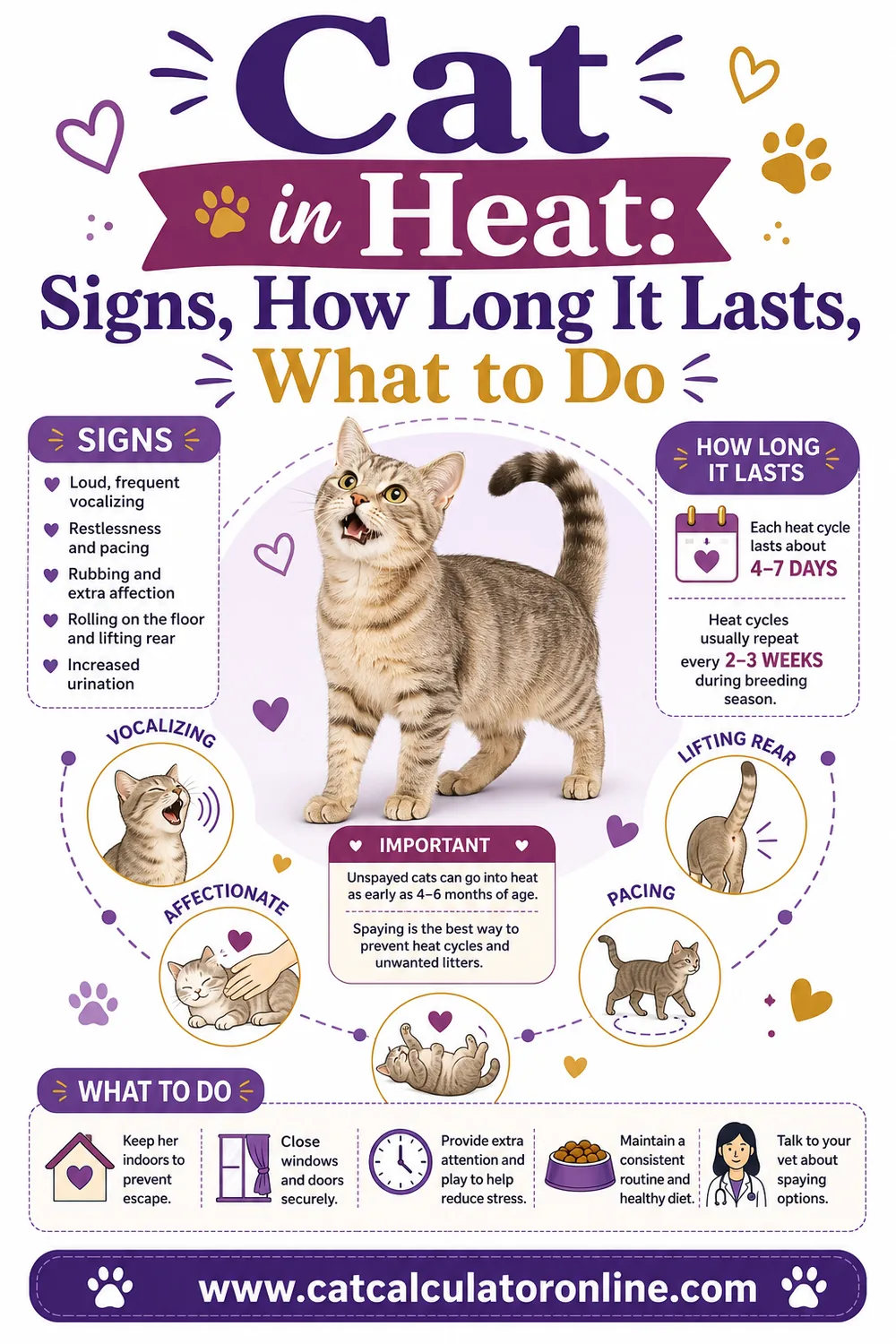
That first point deserves a beat of attention: a 6-month-old cat is still a kitten herself. She can get pregnant, but she's poorly equipped for it, physically and behaviorally. It's one of several reasons vets recommend spaying before the first heat — if you're not sure whether your cat has reached that point, cat in heat covers the unmistakable signs.
What Else Affects How Many Kittens a Cat Has?
Litter size isn't random. Here are the main levers, and which way each one pushes:
| Factor | Effect on litter size |
|---|---|
| First pregnancy | Smaller — often 2–3 kittens |
| Queen in her prime (litters 2–4) | Largest litters — often 4–6+ |
| Older queen | Smaller litters, more complications |
| Breed | Oriental breeds (Siamese etc.) trend larger; some pedigree lines trend smaller |
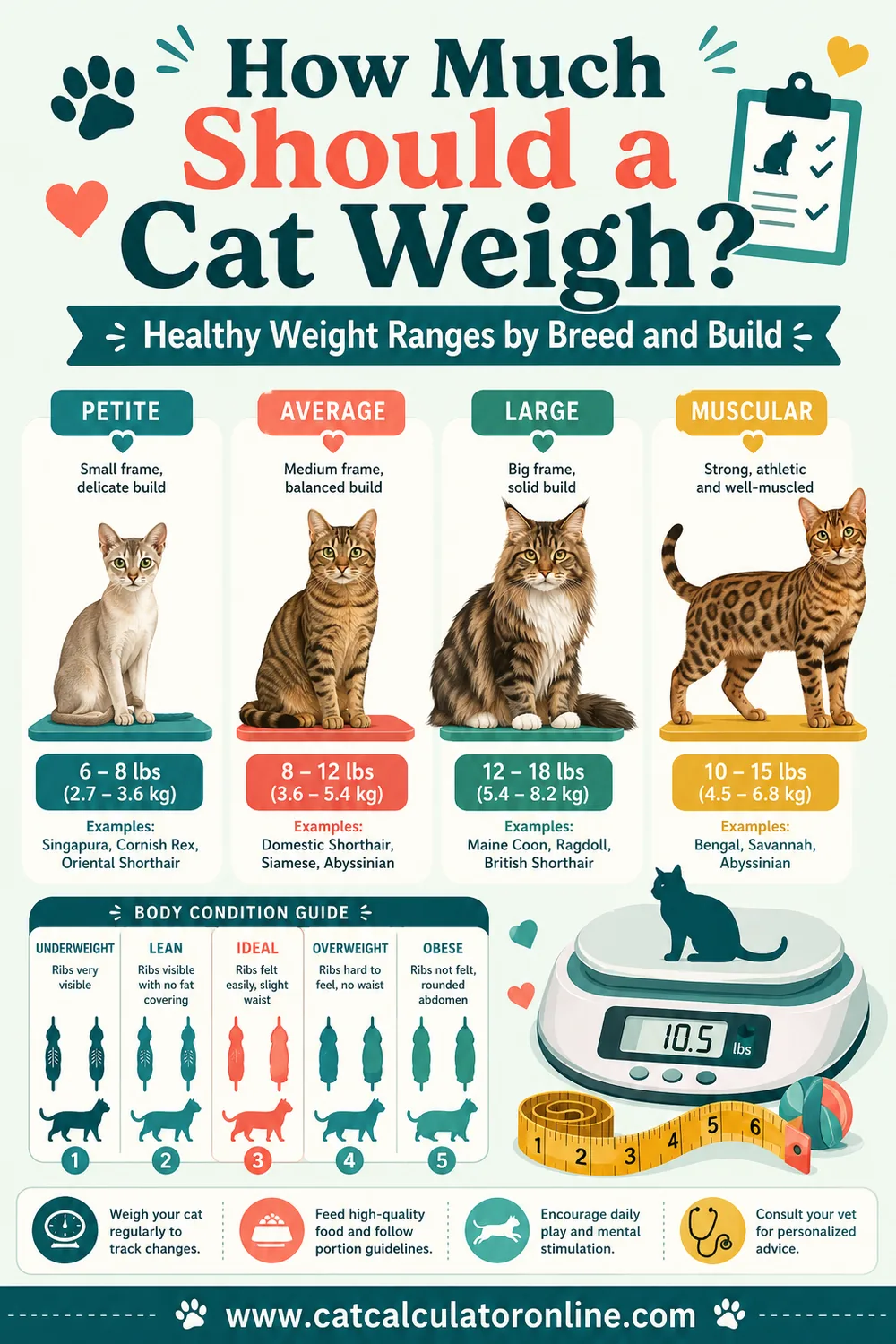
| Queen's health and nutrition | Underweight, ill, or parasite-burdened queens carry smaller litters |
| Number of matings | More matings during heat can mean more eggs fertilized (see below) |
Genetics sets the ceiling and health decides how close a queen gets to it. A well-fed, parasite-free, vaccinated queen in her prime is set up for her biggest, healthiest litters — while stress, poor nutrition, and infections all trim the numbers, sometimes by ending individual pregnancies early in ways an owner never notices.
Can Kittens in One Litter Have Different Fathers?
Yes — genuinely, and it's not even rare. The phenomenon is called superfecundation, and it's one of the most delightfully odd facts in cat biology.
Here's the mechanism. Cats are induced ovulators: rather than releasing eggs on a fixed cycle the way humans do, a queen releases eggs in response to mating itself. She also stays in heat for several days and will often mate multiple times — with multiple toms, if several are around. Each mating can trigger ovulation, and each batch of eggs is fertilized by whichever tom's sperm is present.
The result: one litter, several fathers. It's why a single litter can contain a black shorthair, a ginger tabby, and a fluffy tuxedo kitten who look like they came from three different families — because, on their fathers' side, they did.
For an unspayed outdoor cat, superfecundation is close to the default outcome. It's also part of why feline numbers grow so relentlessly: a queen doesn't need to find one mate; any tom within earshot of her calling will do, and they can all contribute at once.
How Can You Find Out How Many Kittens Are Coming?
You don't have to guess. Vets have three tools, each useful at a different stage:
- Ultrasound (from about 3 weeks). Great for confirming the pregnancy early and checking heartbeats — but unreliable for counting. Kittens overlap and hide, so ultrasound counts are estimates at best.
- Palpation (around weeks 3–4). An experienced vet can feel the developing kittens by gently palpating the abdomen. Never try this yourself — untrained hands can genuinely injure the kittens.
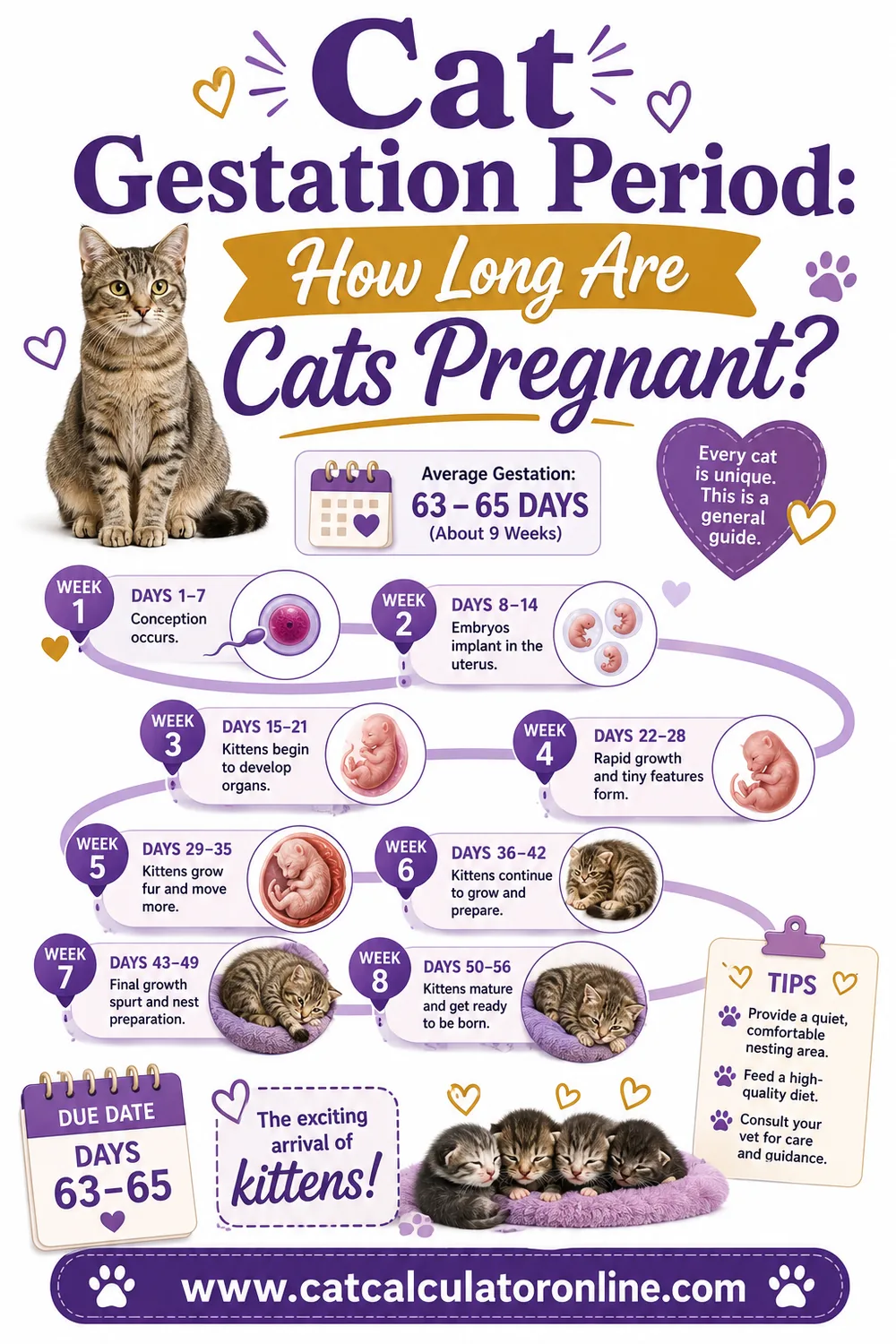
- X-ray (from about day 45). The gold standard for counting. By day 45 of the roughly 63–67 day pregnancy, the kittens' skeletons have mineralized enough to show up clearly, and the vet can count skulls and spines.
The x-ray count matters for a practical reason: it tells you when the birth is finished. If the x-ray showed five kittens and only four have arrived, you know mum isn't done — and if labor stalls with a kitten still inside, that's a call-the-vet situation, not a wait-and-see one.
To line the timing up with your own calendar, see cat gestation period for the full week-by-week breakdown, or let the cat pregnancy calculator date the whole thing for you from the mating date.
How Many Litters Can a Cat Have in a Year?
This is where the arithmetic gets sobering. An unspayed queen can have 2 to 3 litters per year. Cats come back into heat quickly — sometimes while still nursing — and their breeding season covers most of the year in warm climates.
Run the numbers on one unspayed queen:
- ~4 kittens per litter × 2–3 litters per year = 8 to 12 kittens a year from one cat.
- Her female kittens can themselves be pregnant at 6 months old.
- Within two years, one queen's descendants can realistically number in the dozens; over several years, the compounding runs into the hundreds.
Real-world survival rates blunt the scariest projections — many kittens born outdoors don't make it — but that's exactly the point. The overflow ends up as shelter intakes and struggling strays, and every shelter's kitten season is this math made visible.
The fix is unglamorous and completely effective: spaying. One routine procedure takes a queen out of the equation entirely, spares her the physical toll of back-to-back pregnancies, and removes heat behavior (the yowling, the escape attempts) in the bargain. Most vets recommend spaying around 4–6 months, before the first heat. If kittens weren't part of your plan, it's the single best appointment you can book.
What Should You Expect When the Litter Arrives?
A quick practical picture, whether your litter is two kittens or eight.
Birth usually needs no help. Most queens deliver without assistance, one kitten roughly every 30–60 minutes, sometimes with rests in between. Your job is quiet observation from a distance — and a phone with the vet's number on it.
Know your target number. If you got the day-45 x-ray, you know when she's done. Without it, watch for her to settle, nurse, and stop straining.
When to call the vet: more than an hour of hard straining with no kitten, a kitten visibly stuck, heavy bleeding, or a mother who seems exhausted or distressed mid-delivery. Don't wait these out.
Small litters mean big kittens (sometimes too big). With only one or two kittens, each gets more room and nutrition — occasionally enough to complicate delivery. Large litters mean smaller kittens who need closer weight-watching in the early weeks.
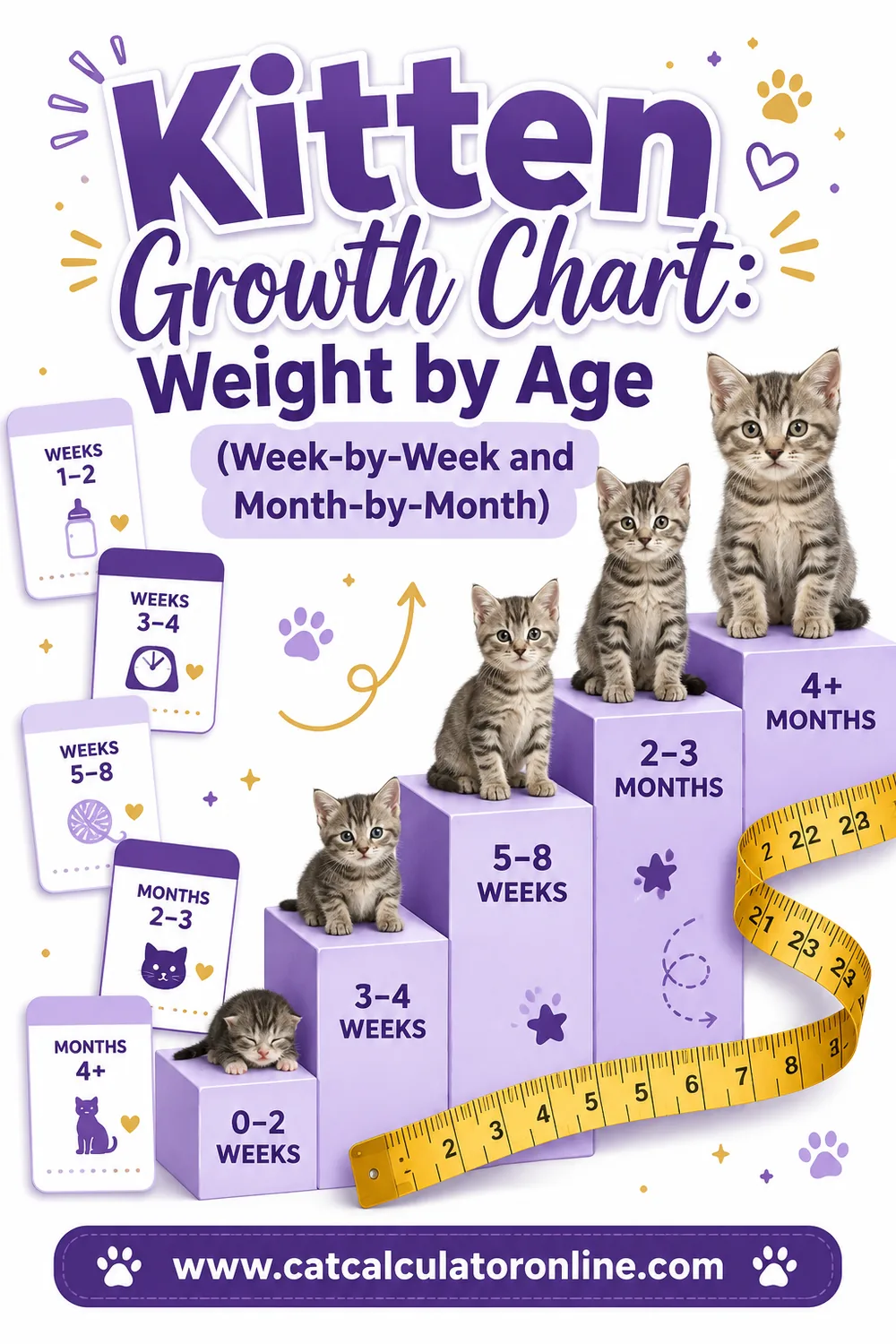
Weigh everyone daily. Steady daily gain is the single best health check for newborns. Our kitten growth chart shows what normal looks like week by week, and the kitten weight calculator can project how big each one will end up.
FAQ
How many kittens does a cat usually have?
About 4 on average, with anywhere from 1 to 8 considered normal. First litters are usually smaller (often 2–3 kittens), while queens in their prime, on their second to fourth litters, tend to have the largest ones.
What's the largest litter of kittens ever recorded?
The largest verified litter was 19 kittens, born to a Burmese-Siamese queen in the UK in 1970. Extreme litters like that are vanishingly rare, and sadly most kittens in them don't survive — very large litters mean smaller, more fragile newborns.
Can one litter of kittens have different dads?
Yes. It's called superfecundation. Queens ovulate in response to mating and often mate with several toms during one heat, so different kittens in the same litter can have different fathers. It's why littermates can look wildly different.
How can I tell how many kittens my cat is carrying?
Ask your vet for an x-ray from about day 45 of the pregnancy — by then the kittens' skeletons are visible and can be counted reliably. Ultrasound confirms pregnancy earlier but is poor at counting. Knowing the number tells you when delivery is truly finished.
How long is a cat pregnant before having kittens?
Around 63–67 days — just over two months. See our cat gestation period guide for the week-by-week timeline, or use the cat pregnancy calculator to estimate the due date from the mating date.
How many litters can a cat have in a year?
An unspayed queen can have 2–3 litters a year, roughly 8–12 kittens annually, and her daughters can be pregnant at 6 months old. That compounding is the engine of cat overpopulation — and the reason vets recommend spaying at 4–6 months if you don't intend to breed.
The Bottom Line
Expect around 4 kittens, be unsurprised by anything from 1 to 8, and remember the pattern: small first litters, peak litters in a queen's prime, smaller again as she ages. A day-45 x-ray turns the guessing game into a number — and that number is genuinely useful on delivery day, because it tells you when mum is done.
If your cat is pregnant now, put the dates into the free cat pregnancy calculator to get her due date and week-by-week guide, read up on the cat gestation period, and once the kittens arrive, track them against the kitten growth chart. And if this pregnancy wasn't planned — a spay appointment after weaning is the kindest gift you can give her.