Do Cats Dream? What Those Twitching Paws Are Really Telling You
Yes — cats almost certainly dream. They have REM sleep, the same sleep stage in which humans do most of our vivid dreaming, and classic sleep research found that cats in REM appear to run through hunting-like sequences in their heads. So when your cat's paws paddle and her whiskers twitch mid-nap, the best available answer is that she's off chasing something.
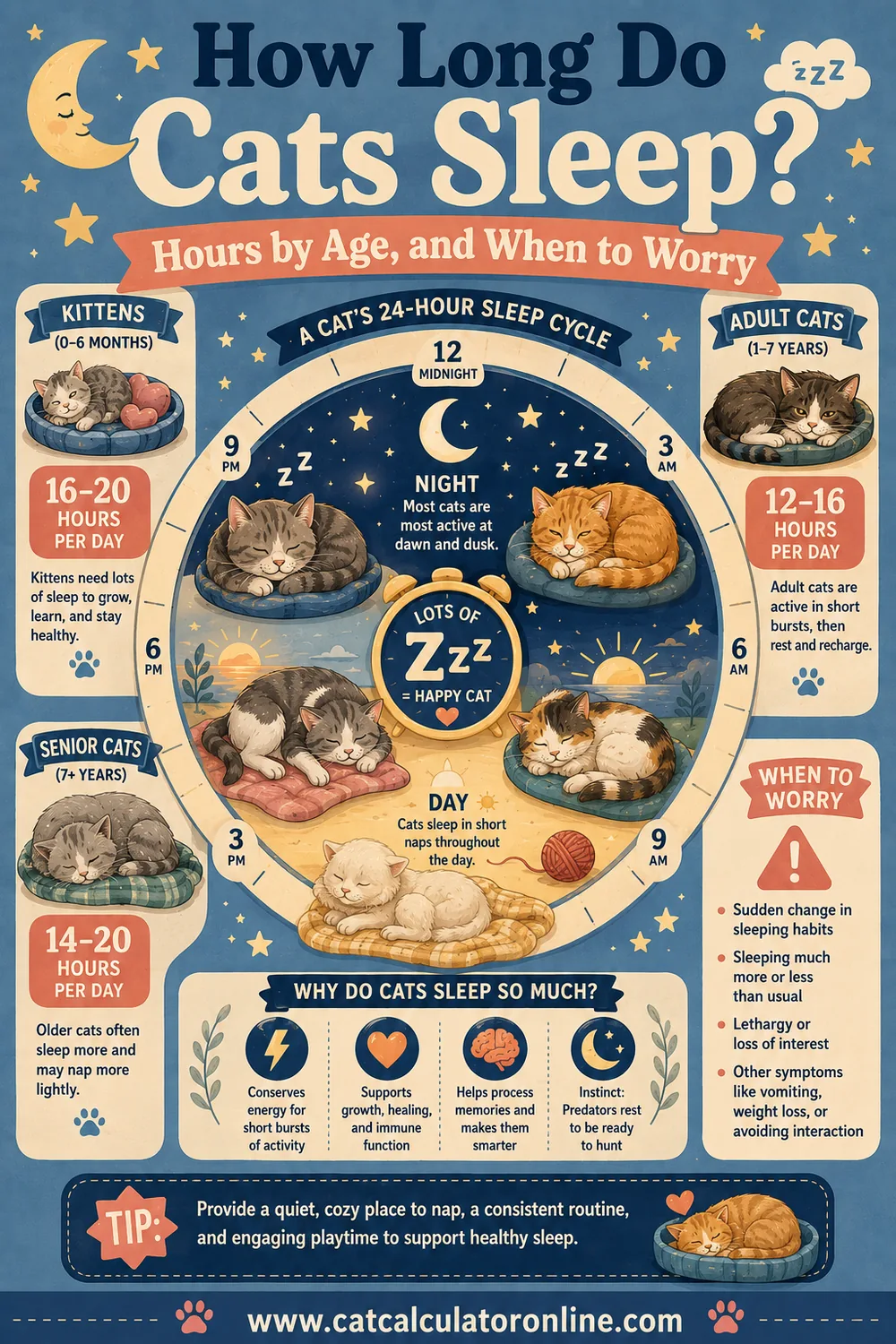
She has plenty of time for it, too — cats sleep 12 to 16 hours a day, which means your cat may spend more time in her dream world than you spend at work. If you'd like to know how old the dreamer on your sofa is in human terms, our free cat age calculator will tell you in seconds.

💤 Cat sleep: myth or fact?
Tap a statement to reveal the truth:
Tap a statement above to see if it’s myth or fact.
How Do We Know Cats Dream?
We can't ask a cat what she dreamed about, so how can anyone claim to know? Two lines of evidence, and together they're pretty convincing.
First: cats have REM sleep. REM — rapid eye movement — is the sleep stage in which the brain becomes intensely active, almost as busy as when awake, while the body stays paralysed by a built-in safety switch. In humans, REM is where most vivid dreaming happens. Cats show the same stage, with the same darting eye movements, the same active brain, and the same muscle paralysis.
Second: the famous cat experiments. In the 1960s, French sleep researcher Michel Jouvet studied what happens when that muscle-paralysis switch is disabled in cats. The result was remarkable: during REM sleep, the cats got up and appeared to act out behavior — stalking, pouncing, striking at things that weren't there — all while still asleep and unresponsive to the actual room around them.
The careful way to say it: we can't see the dream itself, and we shouldn't pretend to read a cat's mind. But an active, awake-like brain plus what looks like acted-out hunting behavior is strong evidence that something dream-like is playing in there. Most sleep scientists are comfortable saying cats dream.
What Happens During a Cat's Sleep Cycle?
Cat sleep isn't one long block — it's a cycle that repeats through those 12 to 16 daily hours, and each stage looks different from the outside.
| Sleep stage | How long it lasts | What you'll see | What's happening |
|---|---|---|---|
| The light doze | Seconds to about 30 minutes | Eyes closed or slitted, ears still swivelling, upright "loaf" posture common | Resting but on standby — she can be fully awake in an instant |
| Deeper sleep | Roughly 15–25 minutes at a time | Body loose, curled or stretched out, slower breathing | Genuine rest; the body repairs and recharges |
| REM sleep | Short bursts of a few minutes | Twitching paws, whiskers, ears; flicking eyes under closed lids; tiny squeaks | The brain lights up — this is the dreaming stage |
Cats cycle between these stages repeatedly, and the doze dominates — that's why your cat can seem asleep all day yet materialise instantly at the sound of a treat bag. The REM bursts, where the dreaming happens, are short and scattered through her deeper naps.
Kittens spend far more of their sleep in REM than adults do, which researchers link to brain development — all that dreaming may be part of how a young brain wires itself. Seniors drift the other way: more total sleep (sometimes up to around 20 hours) but often lighter and more fragmented. For the full picture of feline sleep — how much is normal at every age and when to worry — see how long do cats sleep.
What Do Cats Dream About?
Honest answer: nobody knows for certain, and anyone who tells you otherwise is guessing. But we can make an educated guess from two directions.
From the research side, the acted-out behaviors in Jouvet's sleeping cats looked like hunting — stalking, pouncing, batting. That suggests the dream content draws on core feline behavior.
From the general science of dreaming, brains seem to replay and reprocess recent experience during sleep. In studies of sleeping rats, the brain replays activity patterns from the day's maze-running. If cats work the same way — and their sleep architecture suggests they broadly do — then your cat's dreams are probably built from her daily life.
Which means her likely dream material is wonderfully ordinary: patrolling the house, watching birds through the window, wrestling the catnip kicker, the sound of you coming home, dinner. You're probably in there too. She spends her waking hours watching you; there's no reason her sleeping brain would leave you out.
Why Do Cats Twitch in Their Sleep?
The twitching is the visible edge of REM sleep, and it has a neat explanation.
During REM, the brain sends out motor commands — the dream says pounce, and the brain genuinely issues the pounce instruction. A mechanism in the brainstem blocks those commands from reaching the muscles, which is why dreaming animals (including you) lie still instead of acting everything out. But the block isn't perfect. Small signals leak through, and you see them as:
- Paddling or flicking paws — fragments of running or striking movements
- Twitching whiskers and lips — traces of sniffing, biting, or chattering
- Swivelling or flicking ears — the dream has sounds in it
- Rapid movement under the eyelids — the eyes tracking dream images
- Squeaks, chirps, or tiny mews — leaked vocalisations
- A twitching tail tip — one of the most common leaks of all
All of this is normal, healthy sleep. If anything, seeing regular REM twitching is mildly reassuring: it means your cat is relaxed enough in your home to drop into deep sleep. A cat who never feels safe stays in the shallow doze.
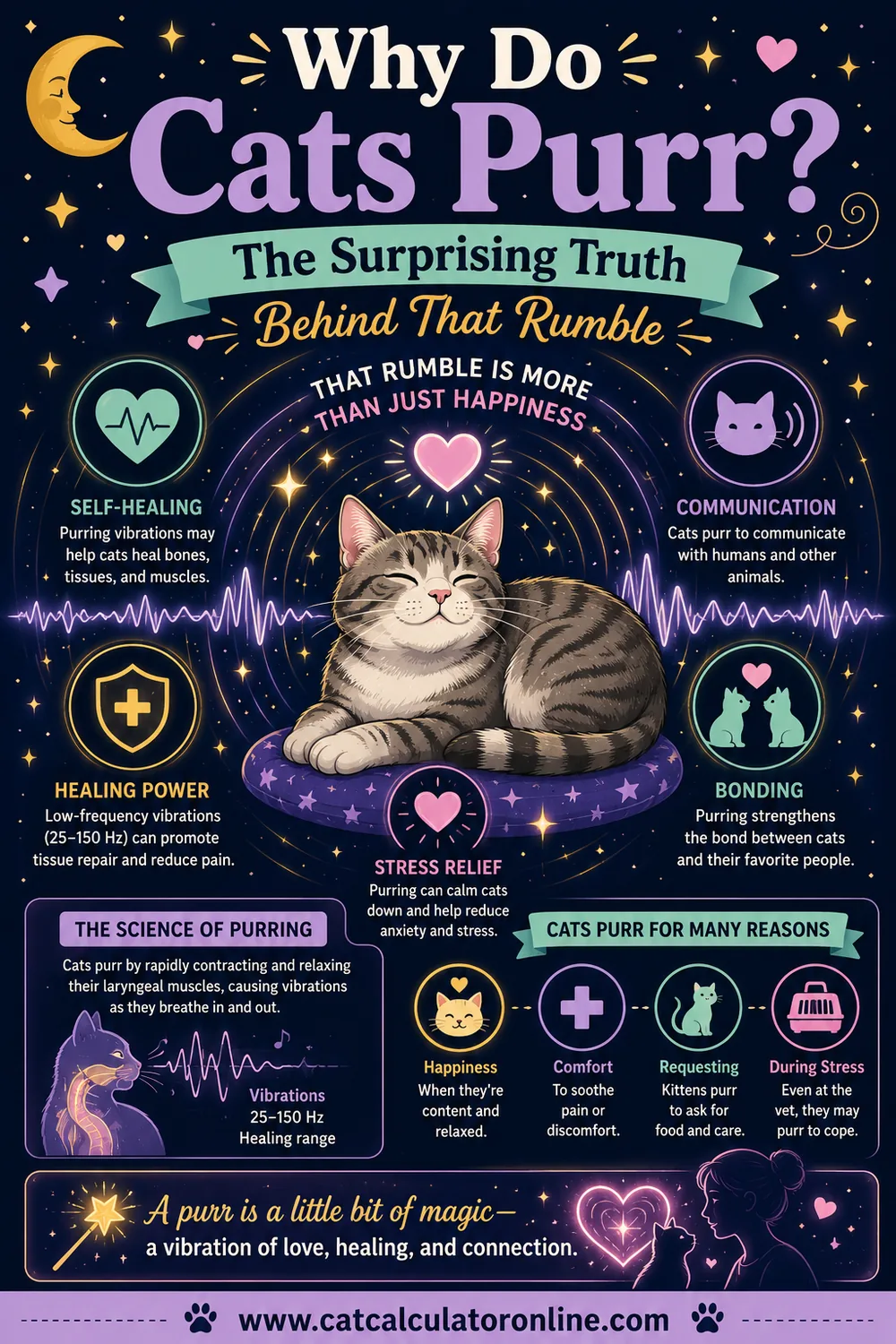
One related oddity: some cats purr as they drift toward sleep. Purring is its own strange and wonderful topic — including why it isn't always a happiness signal — and we've covered it fully in why do cats purr.
Should You Wake a Dreaming Cat?
No — let her finish. It's tempting to reach out when the twitching gets theatrical, but waking a cat mid-REM does her no favors:
- She may wake disoriented or startled. A cat yanked out of deep sleep can take a moment to work out where she is, and a startled cat may swat or nip before her brain catches up. It's reflex, not malice.
- REM sleep matters. In every species studied, REM appears to play a role in memory, learning, and emotional processing. Interrupting it repeatedly means lower-quality rest.
- She'll trust her sleeping spots less. Cats choose sleep locations where they feel safe. Being repeatedly disturbed there undermines exactly the security that let her sleep deeply near you in the first place.
If you genuinely need to wake her — vet appointment, medication time — do it gently from a slight distance: say her name softly, let her surface on her own, and save the touching until her eyes are open.
And if she's asleep on your lap and your leg has gone numb? That's between you and your conscience. Most owners sit there and accept their fate.
Can Cats Have Nightmares?
We can't know — nightmare content is even harder to verify than dream content. But the pieces are suggestive.
If cats dream by replaying and processing experience, there's no obvious reason the unpleasant experiences would be excluded. A cat who's had a frightening day — a vet visit, a run-in with the neighbor's dog, a thunderstorm — has raw material a dreaming brain might revisit.
What owners actually observe fits that: occasionally a cat wakes abruptly from sleep looking startled — eyes wide, ears back, body tense — then takes a minute to settle. Was that a nightmare? Unprovable. But it looks an awful lot like one.
If it happens, don't grab her for comfort, however strong the urge. A freshly startled cat needs a beat to re-read the room. Speak softly, stay where you are, and let her come to you. Most cats shake it off within a minute or two and either resettle or wander over for reassurance on their own terms.
If a cat frequently wakes in apparent distress, that's a different story — chronic stress, pain, or illness can fragment sleep, and it's worth a conversation with your vet.
When Is Sleep Twitching Something to Worry About?
Almost never — but "almost" deserves its checklist. Normal dream twitching has a clear profile: it happens only during sleep, it's small and flickery, it comes in brief bursts, and it stops the moment she wakes. Anything outside that profile is worth attention:
- Rhythmic jerking while she's awake. Repetitive, involuntary movement in an awake cat is not dreaming and needs a vet.
- A violent, stiff-limbed episode. Full-body rigidity, paddling with a stiff neck and body, drooling, or loss of bladder control — during sleep or awake — could be a seizure. That's an urgent vet call, and a phone video of the episode will help enormously with diagnosis.
- She can't be roused. A sleeping cat should respond to a genuine stimulus — her name said loudly, a touch. A cat who seems unresponsive needs immediate help.
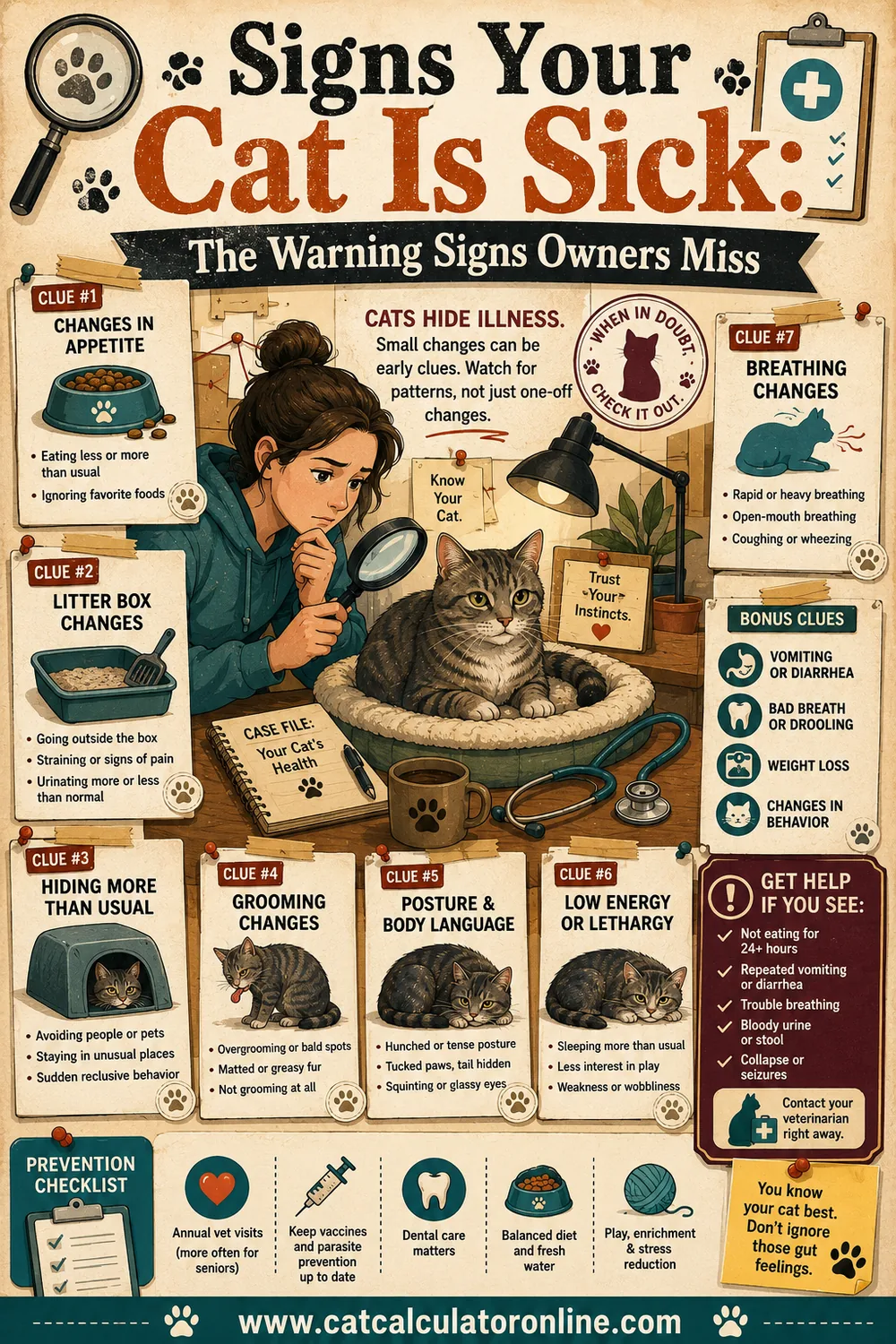
- Twitching plus other changes. New twitching alongside weight loss, appetite change, wobbliness, or behavior shifts belongs in the vet's office. Our guide to signs your cat is sick covers the changes that matter most.
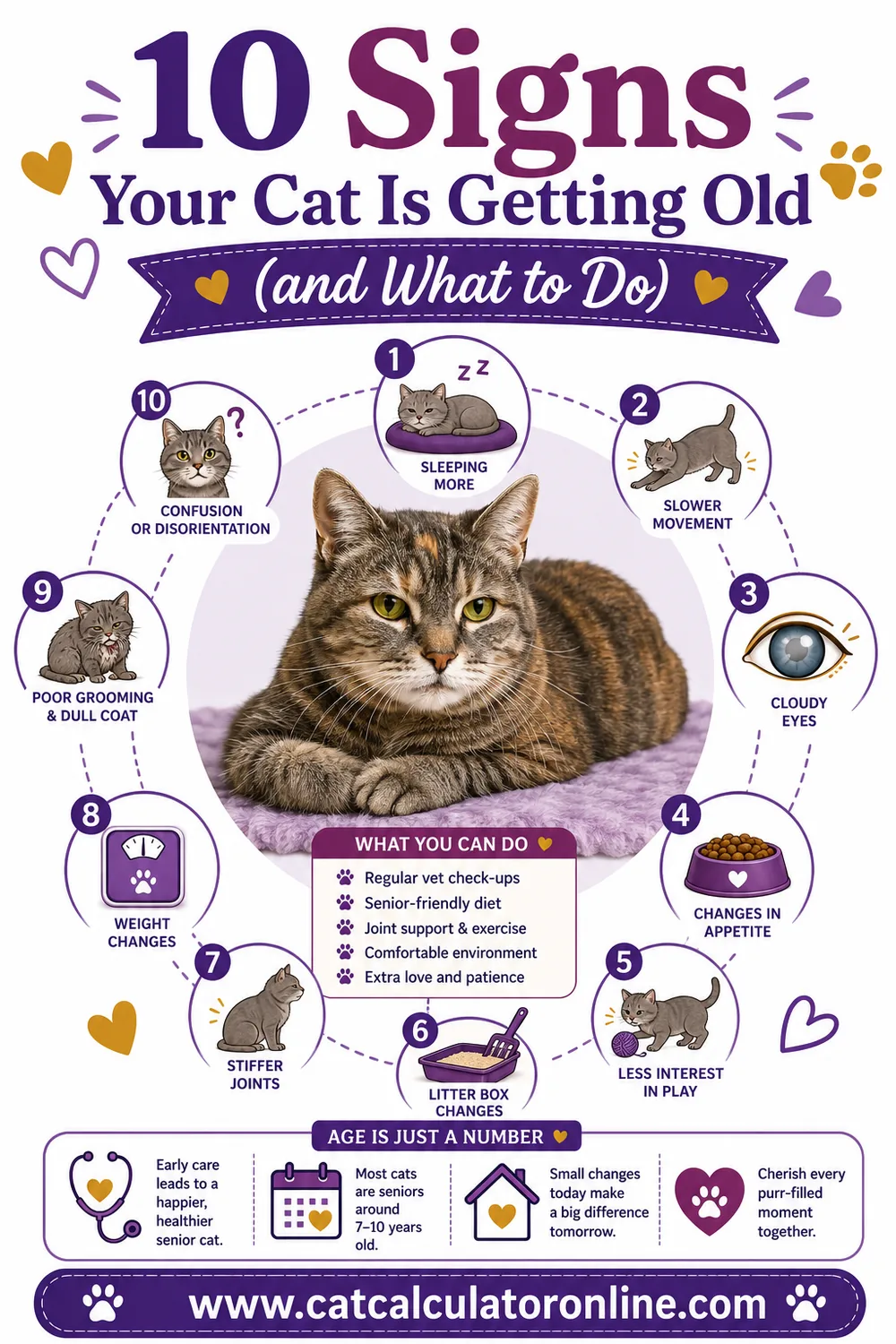
- Big sleep changes in an older cat. Seniors sleeping more is normal; a senior suddenly restless at night, yowling in the small hours, or seeming confused after waking can point to cognitive decline, thyroid trouble, or high blood pressure. See signs your cat is getting old for what aging should and shouldn't look like.
None of this is meant to make you nervous about an ordinary twitchy nap. The overwhelming majority of sleep twitching is exactly what it looks like: a small predator having an excellent dream.
FAQ
Do cats really dream?
Almost certainly yes. Cats have REM sleep — the stage linked to vivid dreaming — and classic research on cats with the REM muscle-paralysis mechanism disabled showed them appearing to act out hunting-like sequences while asleep. We can't see the dreams, but the evidence is strong.
What do cats dream about?
Nobody knows for certain. Based on sleep research, dreams likely replay everyday experience — hunting, playing, exploring the house, and probably you. The acted-out behaviors in classic experiments looked most like stalking and pouncing.
Why does my cat twitch in her sleep?
During REM sleep the brain issues movement commands that are mostly blocked by a natural paralysis mechanism. Small signals leak through as twitching paws, whiskers, ears, and tail. It's normal, healthy sleep — no need to intervene.
Should I wake my cat if she's twitching or seems to be dreaming?
No. Let her finish — REM sleep supports memory and learning, and cats woken suddenly can be startled and disoriented. If you must wake her, use a soft voice from a short distance rather than a touch.
Can cats have nightmares?
It's unknowable for sure, but plausible. Cats occasionally wake abruptly looking startled and tense, which is consistent with an unpleasant dream. Give a startled cat space to settle rather than grabbing her; frequent distressed waking is worth mentioning to your vet.
When is twitching a sign of something serious?
If it happens while she's awake, if it's a violent stiff-bodied episode with drooling or loss of bladder control, or if she can't be roused from sleep. Those signs need a vet — video the episode if you can safely do so.
The Bottom Line
Cats have REM sleep, and everything science can measure says something dream-like happens inside it — most plausibly replays of hunting, play, and daily life. The twitching paws and flickering whiskers are leaks from that inner movie, they're completely normal, and the kindest thing you can do is let the dream run its course.
Curious how many dreaming years your cat has clocked up? Our free cat age calculator converts her age to human years in one tap — then find out whether her 15-hour sleep habit is normal in how long do cats sleep.