Diabetes in Cats
Diabetes in cats looks a lot like diabetes in people: the body either stops making enough insulin or stops responding to it properly, and blood sugar climbs. The signs are consistent and fairly recognizable — drinking a lot more, urinating a lot more, and losing weight despite a healthy appetite. If your cat has just been diagnosed, here's the part most owners aren't told first: feline diabetes can sometimes go into remission, meaning your cat may eventually need no insulin at all. That happens most often when treatment starts early and the diet is right. Managing it costs roughly $1,000 to $2,500 a year, which the cat cost calculator can help you plan around.

What Is Diabetes in Cats?
Insulin is the hormone that lets the body move sugar out of the bloodstream and into cells, where it's used for energy. In diabetes, that system stops working — either because the pancreas isn't producing enough insulin, or because the body's cells have stopped responding to it properly.
The result is a strange contradiction. There's plenty of fuel circulating in the blood, but the cells can't reach it. So the body starts breaking down fat and muscle for energy instead, which is why a diabetic cat loses weight while eating normally or even more than usual.
Meanwhile the excess sugar spills over into the urine, dragging water with it. That's the mechanism behind the thirst and the enormous litter clumps — two signs that travel together and are usually the first thing an owner notices.
Most feline diabetes resembles type 2 diabetes in people, where the body has become resistant to insulin. That matters, because type 2 is the form most responsive to weight and diet changes — and it's why remission is on the table for cats in a way it generally isn't for dogs.
What Are the Signs?
Four core signs, and the first two are usually what brings people to the vet.
Drinking much more than usual. Not a slight increase — often a striking one. Emptying the water bowl daily, drinking from taps, glasses or the shower.
Urinating much more. Bigger clumps, more of them, a tray needing changing far more often. In multi-cat households this can be harder to spot, which is worth bearing in mind.
Weight loss with a normal or increased appetite. The cat is eating, sometimes eating a lot, and still getting thinner.
Lethargy. Sleeping more, playing less, generally flat.
There's one more sign that's quite specific to diabetes and worth knowing:
A flat-footed, crouching hind-leg walk. Instead of walking up on their toes as cats normally do, some diabetic cats drop onto their hocks — the back of the leg touching the ground. This is caused by nerve damage from prolonged high blood sugar, it looks unmistakable once you've seen it, and it often improves considerably with treatment.
Two warnings worth taking seriously. A diabetic cat that becomes weak, wobbly, collapses or has a seizure may have blood sugar that has dropped dangerously low — that's an emergency. And a cat that stops eating, vomits repeatedly, or becomes very lethargic may be developing a serious complication called ketoacidosis, which also needs immediate care.
What Causes It, and Can It Be Prevented?
Partly, yes — which is unusual and genuinely worth acting on.
Excess weight is the single biggest modifiable risk factor. Overweight cats are substantially more likely to develop diabetes, because extra body fat drives insulin resistance. That makes weight management one of the few things that meaningfully lowers your cat's risk of a serious disease.
Other contributing factors:
- Age. Most diagnoses come in middle-aged and older cats.
- Sex. Male cats are somewhat more commonly affected.
- Inactivity. Indoor cats with little to do are at higher risk, partly through weight.
- Breed. Burmese cats appear to be predisposed in some populations.
- Certain medications, particularly long-term steroids, which your vet will factor in.
- Other conditions, including pancreatitis and hormonal disorders.
You can't change your cat's age, sex or breed. You can absolutely influence weight and activity, and that's where prevention actually lives. Measured meals rather than a permanently full bowl, treats counted within the daily total, and ten minutes of play a day all matter more than they sound. The checks that catch creeping weight gain are in is my cat overweight.
How Is It Diagnosed?
Straightforwardly, though there's one feline quirk your vet will work around.
Blood glucose. Raised blood sugar is the core finding. The complication is that cats are famously prone to stress hyperglycaemia — a trip to the vet alone can push glucose up temporarily. So a single high reading isn't enough to diagnose.
Fructosamine. This is the test that settles it. Fructosamine reflects average blood sugar over the previous two to three weeks, so it isn't affected by the stress of the appointment. A raised fructosamine alongside the clinical signs confirms diabetes.
Urine testing. Checks for glucose and ketones in the urine, and screens for urinary infections, which are common alongside diabetes and can complicate control.
A full blood panel. Diabetes often travels with other conditions, and your vet will want a picture of kidney function, liver values and thyroid levels — particularly in an older cat where more than one thing may be going on at once.
If your vet asks to run fructosamine rather than acting on a single glucose reading, that's careful medicine rather than an upsell. Diagnosing a cat as diabetic on the strength of one stressed blood sample would be a genuine mistake.
What Does Treatment Involve?
Usually insulin, diet, and monitoring — and it's more manageable than most owners fear before they start.
Insulin injections, typically twice daily. This is the part that frightens people most and turns out to be the easiest. The needles are tiny, the injection goes under the loose skin at the scruff, and most cats barely react — many will happily eat through it. Your vet or nurse will show you, and you'll practice before going home.
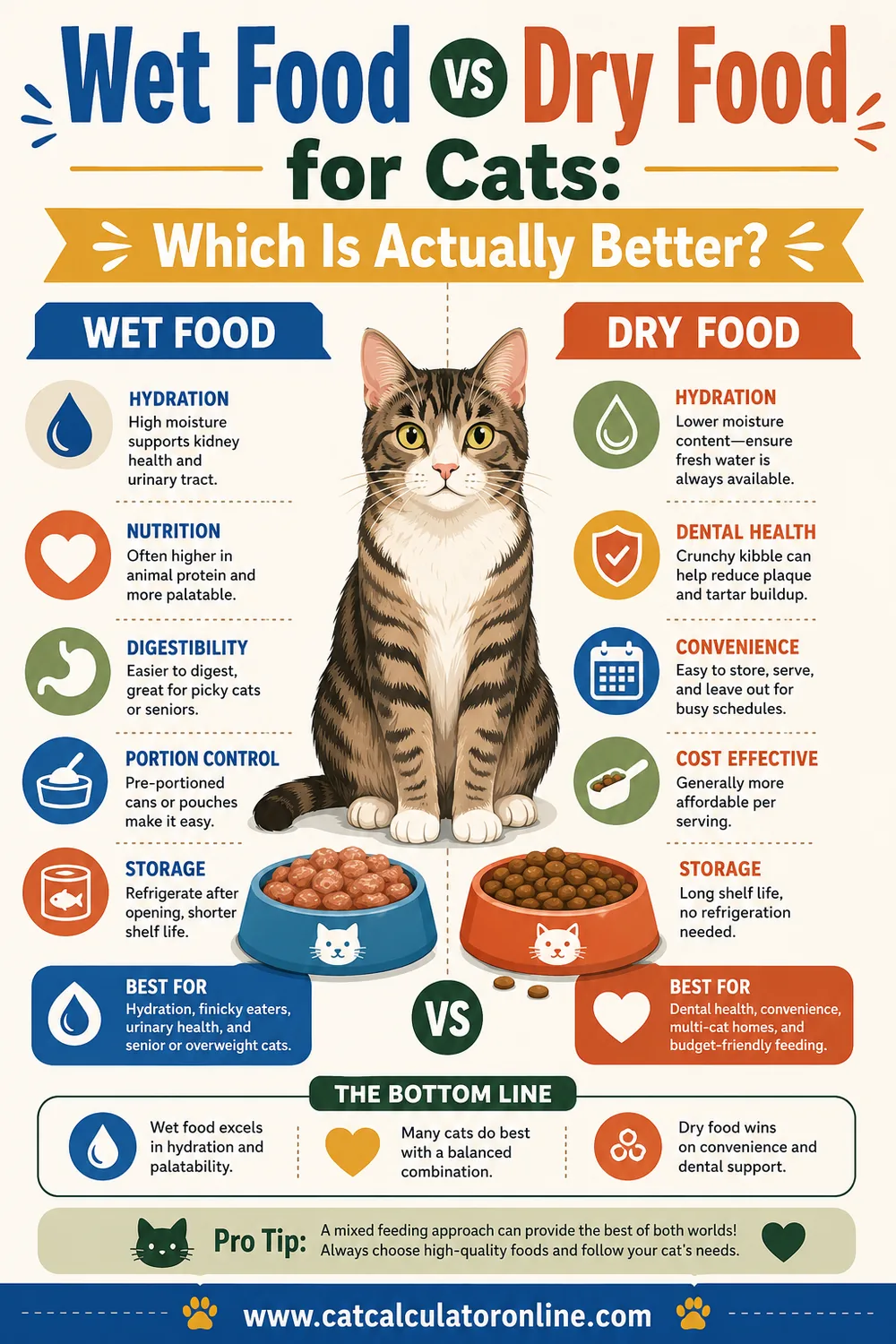
A low-carbohydrate diet. This does real work. Cats are obligate carnivores, and a diet lower in carbohydrate and higher in protein reduces the glucose load their system has to handle. In practice this usually means wet food rather than dry, since dry food is generally higher in carbohydrate. Some cats need a prescription diabetic diet; for others a good-quality wet food is sufficient. Your vet will advise. The general comparison is in wet food vs dry food for cats.
Consistent routine. Meals and injections at roughly the same times each day. Cats do well with predictability, and stable timing makes blood sugar easier to control.
Monitoring. Your vet will want regular glucose curves or fructosamine checks, especially in the first few months while the dose is being established. Some owners learn to test at home with a small ear-prick sample, which many find easier than repeated clinic visits — ask if that would suit you.
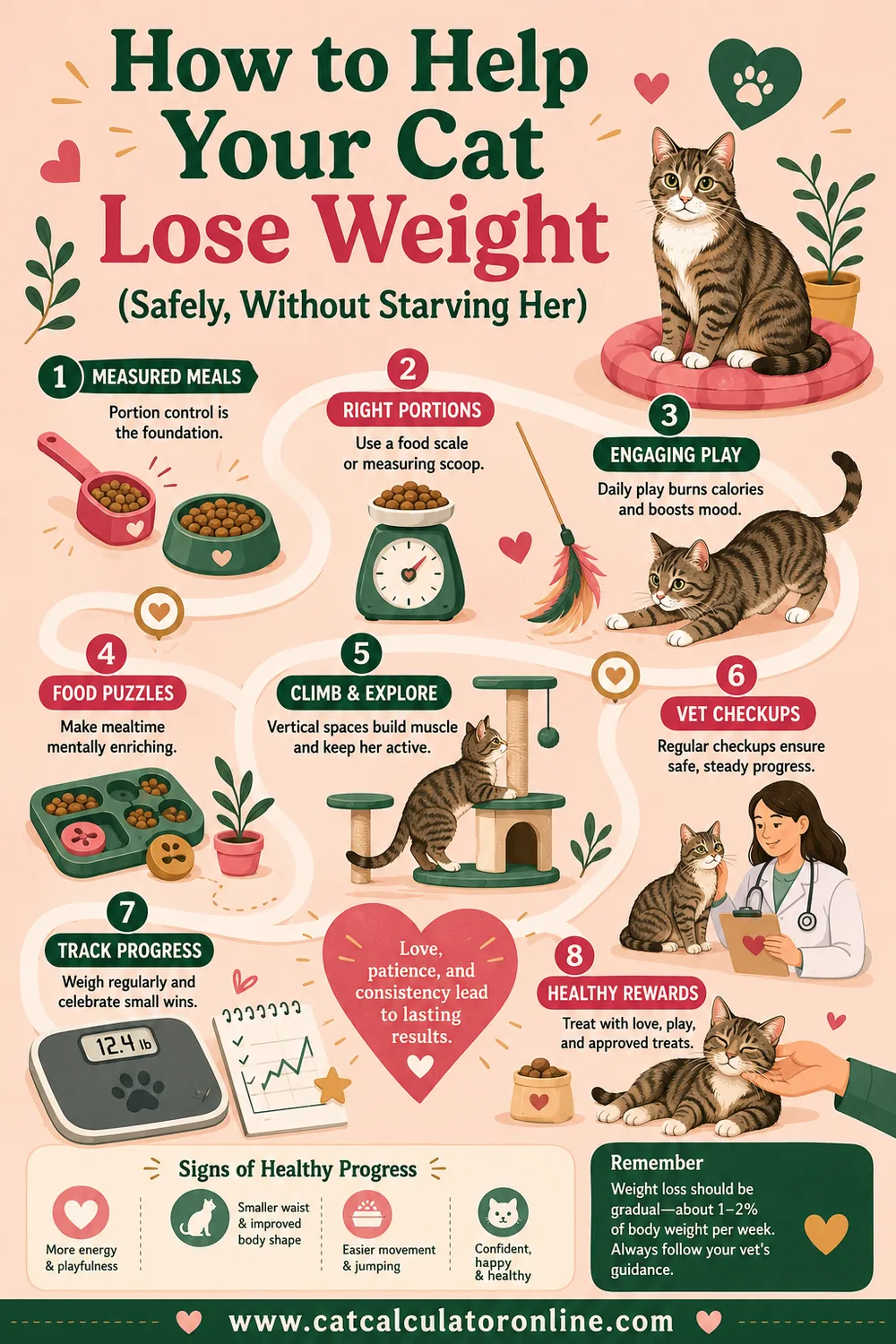
Weight management, where relevant. Losing excess weight improves insulin sensitivity and makes remission more likely, though it must be done slowly and under veterinary supervision, as covered in how to help your cat lose weight.
Never adjust an insulin dose yourself. Too much insulin is more immediately dangerous than too little, and dose changes belong with your vet.
What Is Remission, and How Likely Is It?
This is the genuinely hopeful part, and it's specific to cats.
Remission means your cat's blood sugar returns to normal without insulin. The pancreas, relieved of constant strain, recovers enough function to manage on its own. The cat still has a diabetic tendency and can relapse, but for a period — sometimes a long one — needs no injections at all.
It happens in a meaningful proportion of cats, and it's far more likely when:
- Treatment starts early, before prolonged high blood sugar has done lasting damage to the pancreas
- The diet is low in carbohydrate, usually wet food
- Excess weight is lost, gradually and safely
- Blood sugar is well controlled from the outset rather than left to run high for months
That list is essentially an argument for acting quickly. A cat treated promptly and properly has a considerably better chance than one whose diagnosis was delayed — which is why the increased thirst and litter tray changes are worth a vet visit rather than a wait-and-see.
Two honest caveats. Remission isn't guaranteed, and plenty of well-managed cats still need insulin lifelong — that's not a failure, and those cats can live perfectly good lives. And remission isn't always permanent; cats can relapse, so ongoing monitoring continues even after insulin stops.
What Should You Ask Your Vet at Diagnosis?
Diagnosis appointments move fast and there's a lot to take in. These are the questions worth having ready, because the answers shape the next few months.
"Is remission a realistic goal for my cat?" The honest answer depends on how early you've caught it, your cat's weight and whether anything else is going on. Knowing where you stand shapes how hard to push on diet and weight.
"What diet do you recommend, and does it need to be prescription?" Some cats do well on a good-quality wet food; others benefit from a specific diabetic formula. Worth settling early, since diet is one of the biggest levers you have.
"Can I learn to test blood glucose at home?" Many owners can, and it often gives better information than clinic testing — cats stressed at the vet produce misleading readings. It also saves money over time.
"What exactly should I do if my cat seems wobbly or won't eat?" Get this written down. Low blood sugar is the main acute risk, and you want the plan on the fridge rather than in your memory at 11pm.
"How often will you want to recheck, and roughly what will that cost?" Monitoring is frequent early on and eases off later. Knowing the schedule helps you budget and makes it less likely you'll skip an appointment that matters.
"Does anything else in my cat's health affect this?" Dental disease, kidney disease, pancreatitis and steroid medication all interact with diabetes control. It's useful to know upfront what else is in play.
There's no such thing as a silly question here, and vets would far rather explain twice than have a cat mismanaged at home.
What Does It Cost?
| Item | Typical cost |
|---|---|
| Diagnosis (glucose, fructosamine, urine, panel) | $250–$500 |
| Insulin | $40–$100 a month |
| Needles and syringes | $10–$25 a month |
| Prescription or wet diet | $40–$90 a month |
| Glucose curves / rechecks | $80–$200, several times a year |
| Home testing kit (optional) | $50–$100 one-off |
| Emergency care, if a crisis occurs | $800–$3,000 |
Realistically, $1,000 to $2,500 a year for a well-controlled cat, with the first few months at the higher end while the dose is being established.
Two things worth noting. Costs usually fall after the settling-in period, once monitoring becomes less frequent. And remission changes the picture entirely — a cat off insulin needs only periodic checks, which is another practical argument for early, committed treatment.
As with every chronic condition, insurance covers diabetes only if the policy predated any signs. Once diagnosed it's excluded from new policies universally. Typical veterinary pricing is set out in cat vet costs explained.
What Does Daily Life Look Like?
More normal than you'd expect. Most owners describe the first two weeks as daunting and the following months as routine.
A typical day: feed and inject morning and evening, roughly twelve hours apart. That's genuinely it. The injection takes seconds once you're used to it.
Feed before injecting, or as directed by your vet — knowing your cat has eaten matters, because insulin without food is what causes blood sugar to drop too low.
Keep a simple log. Date, dose, whether your cat ate, and anything unusual. It takes seconds and it's enormously useful at recheck appointments.
Know the low-blood-sugar signs: wobbliness, weakness, disorientation, glazed eyes, twitching or collapse. Ask your vet in advance what to do — most will advise rubbing a sugar syrup on the gums and calling immediately. Having that conversation before you need it is worth doing.
Plan for travel and cover. Someone will need to inject twice daily if you're away. Many owners teach a friend or family member, or use a sitter comfortable with medication.
Keep monitoring appointments. This is how the dose stays right, and it's where remission gets spotted.
The reassuring reality: diabetic cats who are well managed play, sleep in the sun and behave entirely like themselves. The condition asks for a routine rather than a transformation. Broader senior guidance is in the senior cat health checklist.
Frequently Asked Questions
What are the first signs of diabetes in cats?
Dramatically increased thirst and urination are usually first — much bigger litter clumps and a water bowl emptying fast. Weight loss despite a normal or increased appetite follows, along with lethargy. Some cats develop a distinctive flat-footed hind-leg walk.
Can diabetes in cats be cured?
Not cured, but remission is genuinely possible — a meaningful share of cats stop needing insulin entirely. It's most likely when treatment starts early, the diet is low in carbohydrate, and excess weight is lost. Cats can relapse, so monitoring continues afterward.
How much does it cost to treat a diabetic cat?
Roughly $1,000 to $2,500 a year, covering insulin, syringes, a suitable diet and monitoring bloodwork. The first few months sit at the higher end while the dose is established. Costs drop considerably if your cat achieves remission.
Is giving a cat insulin injections difficult?
Almost everyone finds it far easier than expected. The needles are very fine, the injection goes under loose skin at the scruff, and most cats barely notice — many carry on eating throughout. Your vet or nurse will teach you and let you practice first.
Does food matter for a diabetic cat?
Considerably. A low-carbohydrate, higher-protein diet reduces the glucose load, and in practice that usually means wet food rather than dry. Some cats need a prescription diabetic diet. Diet is one of the biggest factors in whether remission happens.
Can diabetes in cats be prevented?
Partly. Excess weight is the biggest modifiable risk factor, so keeping your cat at a healthy weight through measured meals, counted treats and daily play genuinely lowers the risk. Age, sex and breed can't be changed, but weight and activity can.
A diabetes diagnosis sounds heavier than it usually turns out to be. Twice-daily injections become routine within two weeks, the diet change is straightforward, and a well-managed diabetic cat lives a thoroughly normal life. The two things most worth acting on are speed and diet — early treatment with a low-carbohydrate food gives the best shot at remission, which is a real possibility in cats. If your cat is drinking noticeably more or leaving bigger clumps in the tray, that's a vet visit rather than something to watch. Plan the ongoing costs with the cat cost calculator.